Arranging banquet tables for maximum capacity is a critical skill in event planning. Expert event coordinator Julia Marston emphasizes, "Effective table arrangements can transform any space into a welcoming environment." Her insight highlights the importance of thoughtful layout.
When determining how to arrange banquet tables for maximum capacity, consider the dimensions of your venue. Measure the available space accurately. A common mistake is underestimating the need for walkways. Guests should move freely. Ensure ample space for servers as well.
Shape plays a role too. Square and rectangular tables can fit together efficiently. This arrangement often allows for more guests than round tables. However, avoid overcrowding; comfort affects enjoyment. Reflecting on past events reveals that thoughtful layouts lead to better guest interactions. Balancing capacity with comfort is essential for any successful banquet.
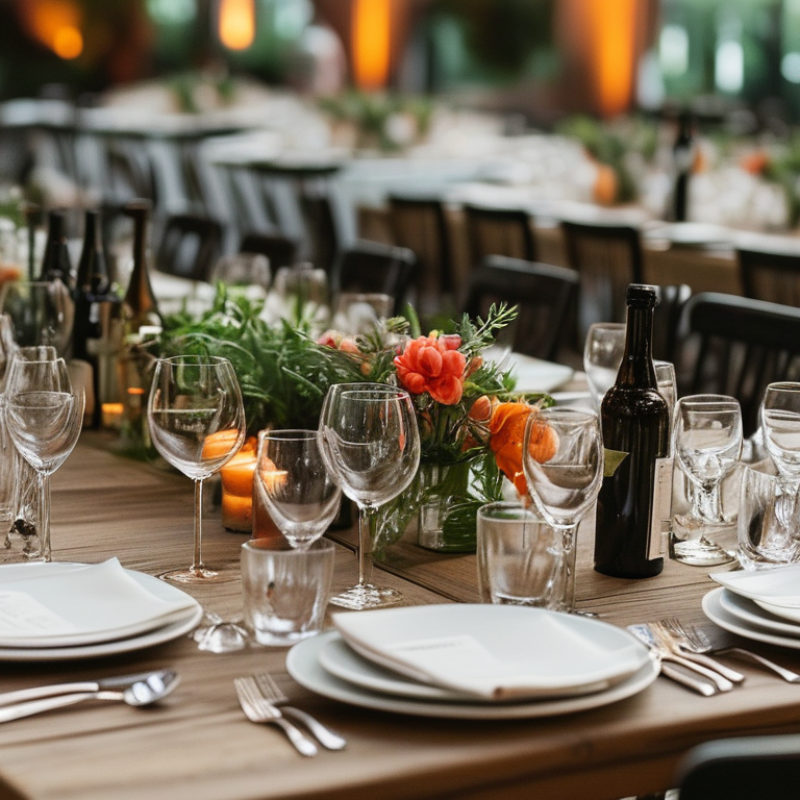
When arranging banquet tables, understanding configurations is crucial for maximizing capacity.
Different setups suit various events, encouraging smooth flow and interaction. Circular tables are popular for fostering conversation, but they don’t maximize space. You can only fit so many around each table. Alternatively, rectangular tables can align against walls, creating extra seating in tight areas.
Banquet style rows work well for larger gatherings. Organizers often underestimate how a simple adjustment can increase guest count. However, these rows can hinder interaction. It’s essential to balance capacity with accessibility. An open center space can improve movement but might reduce the number of tables.
Consider the type of event when choosing table layout. While a conference may require straight rows, a wedding might benefit from U-shape arrangements for better engagement. Adjusting pieces based on feedback from past events can lead to improved configurations. Flexibility is key, as not every setup works flawlessly for every occasion. Keeping guests comfortable while optimizing space can be challenging.
When arranging banquet tables, several factors influence how to maximize seating capacity effectively. A primary consideration is the layout of tables. Use round tables to create an intimate atmosphere while ensuring space efficiency. However, they may not fit as many guests as long rectangular tables. Explore hybrid configurations to achieve a balance between comfort and capacity.
Another critical factor is the spacing between tables. Ideally, there should be enough space for guests and staff to move freely. A common mistake is placing tables too close together, limiting accessibility and feeling cramped. Aim for a distance of about three feet between tables to allow for easy passage. This approach enhances comfort but reduces overall capacity. Reflecting on the layout is essential to find the right compromise.
Lastly, consider the type of event when arranging the seating. Formal dinners may require more space than casual buffet setups. Start by estimating guest numbers and then design the layout accordingly. Adjustments can be made based on feedback and past experiences. Don't hesitate to rethink your initial arrangement for better efficiency and comfort. Planning carefully can lead to a successful event.
Arranging banquet tables effectively can maximize your event's capacity. Begin by evaluating the space. Calculate the total area available for seating. This helps you determine how many tables can fit comfortably. Use a measuring tape to outline the layout on the floor. Visualize where the tables will be placed to avoid overcrowding.
Next, consider the type of seating arrangement. Different layouts serve various purposes. For instance, a U-shape facilitates interaction. Meanwhile, a theater style optimizes space by maximizing seating rows. Balance guest comfort with accessibility to the food and exits. Remember, it's crucial to allow enough space for servers to move around.
Don't overlook the flow of movement. Guests should be able to navigate easily around tables without hindrance. Test your arrangement with a few mock setups, adjusting as necessary. Be prepared for imperfections. Sometimes, the best layout requires multiple attempts. Evaluate the setup after a trial run. Seek feedback from peers. Adjust your approach based on their input for a more effective arrangement.
| Table Shape | Capacity per Table | Space Optimized for | Best Use Case |
|---|---|---|---|
| Rectangle | 8-10 | Narrow spaces | Formal dinners |
| Round | 6-8 | Ample spaces | Social gatherings |
| Square | 4-6 | Small areas | Cocktail parties |
| U-Shape | 10-12 | Medium to large spaces | Presentations and meetings |
| Cluster | 4-6 per table | Flexible spaces | Networking events |
Arranging banquet tables to maximize capacity can be tricky. One common mistake is not considering the flow of the room. If tables are too close together, guests may feel cramped. This setup limits movement and accessibility. It's essential to create enough space between tables for comfortable dining and easy navigation.
Another frequent error is overlooking the shape of the tables. Round tables can create a cozy atmosphere but take up more space. Rectangular tables, on the other hand, can fit more guests in tighter areas. Be mindful of how these shapes may affect seating arrangements. Guests often need to interact, and table positioning can hinder conversations.
Moreover, the layout should accommodate service staff. When tables are too close, servers struggle to deliver food efficiently. Additionally, avoid overcrowding tables with decorations. While a beautiful setting is crucial, too much décor can limit the available space for guests. Reflect on these aspects to achieve a balanced and functional banquet layout.
Arranging banquet tables effectively can make a significant difference in guest comfort and overall experience. Consider the flow of movement when placing tables. A clear path allows guests to navigate easily. Avoid overcrowding the space. If tables are crammed together, it can lead to discomfort, making guests feel confined.
Focus on chair arrangements as well. Ensure there is enough space for everyone to sit down without hassle. You might try using round tables; they can enhance conversation and connection. Leave enough room for servers to move between tables. This improves service and keeps the atmosphere friendly.
Lighting plays a role too. Soft, warm lighting can enhance comfort and make the dining experience more enjoyable. You might place smaller lighting fixtures on tables for a cozy feel. Remember, if the atmosphere feels cramped, even guests at an ideal table will feel uneasy. Balance is key; maximizing capacity should not come at the cost of guest experience. Reflect on what worked well in previous events. Be willing to adjust your layout for better guest interaction.
: Table configurations are crucial for maximizing capacity and encouraging smooth flow.
Circular tables are popular for fostering conversation but limit the number of guests.
Rectangular tables can align against walls, creating extra seating in tight areas.
Banquet-style rows can hinder interaction, reducing guest engagement.
Different events call for different layouts; a wedding may need U-shape arrangements.
Ensure there’s enough space between tables and chairs to avoid overcrowding.
Soft, warm lighting enhances comfort and creates a cozy atmosphere for guests.
Not every setup works for every occasion; adjustments based on feedback can improve configurations.
Leave enough room for servers to move between tables; this enhances both service and comfort.
Arranging banquet tables for maximum capacity involves understanding various table configurations and how they impact seating arrangements. To effectively maximize seating, one must consider factors such as the venue size, shape, and the type of event being hosted. A step-by-step guide can help in optimizing space use, ensuring that tables are placed in a manner that encourages movement and accessibility.
Moreover, it is essential to avoid common mistakes, such as overcrowding tables or failing to account for key access points. While maximizing capacity, enhancing guest comfort should also be a priority; this includes allowing sufficient space for guests to dine and move around. Ultimately, understanding how to arrange banquet tables for maximum capacity can lead to a successful and enjoyable event for all attendees.

Zabs Furniture