How to Stack Church Chairs Safely to Prevent Tipping?

Time:2026-07-05 Author:Amelia
0%

Stacking church chairs may seem simple, but it requires attention to safety. Many people overlook this crucial step, leading to accidents. Knowing how to stack church chairs safely to avoid tipping is essential for both congregation members and staff.

Stacked chairs can topple if not done correctly. This can cause serious injuries or damage to property. Observing proper techniques can make a significant difference in safety. For instance, chairs should be stacked evenly and securely to maintain balance.

Using chair stacks that are too high can be tempting but often leads to danger. It’s crucial to consider the chair’s design and weight. Not all chairs are designed for stacking. Therefore, understanding your specific church chairs is vital. Reflect on your stacking methods. Are they effective and safe? Consider adjustments as necessary to promote a safer environment.
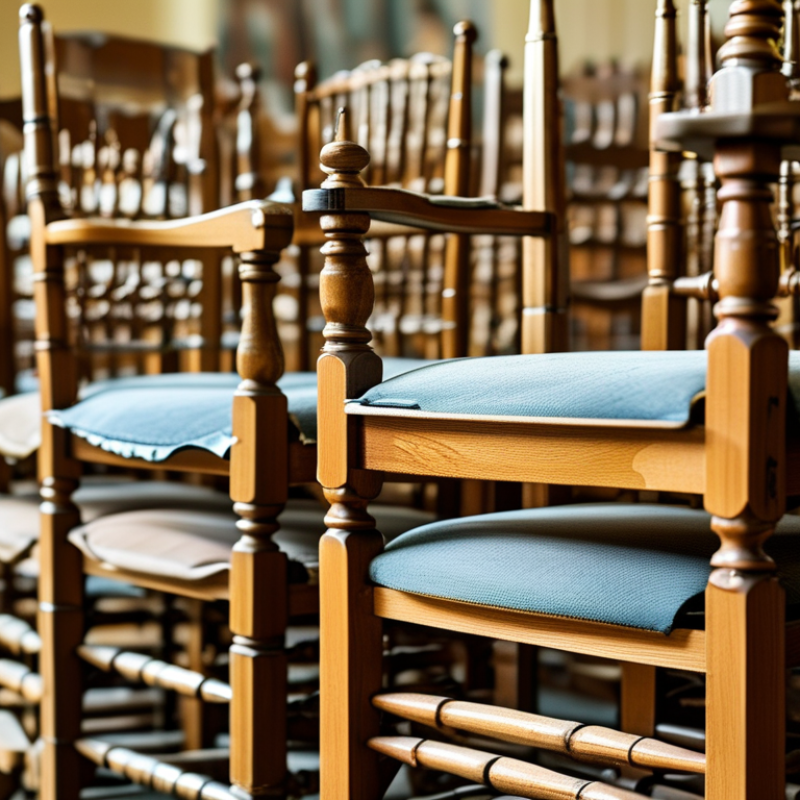
How to Stack Church Chairs Safely to Prevent Tipping?

Understanding the Importance of Safe Chair Stacking in Churches

Stacking chairs in churches might seem straightforward, but it holds significant importance for safety. Proper chair stacking prevents tipping, which can lead to injuries. When chairs are stacked haphazardly, they can easily wobble or fall over when someone pulls one from the stack. In a crowded space, this poses a risk to everyone.

Understanding how to stack chairs properly can create a safer environment. Ensure that chairs are aligned and that they face the same direction. Using a consistent number of chairs per stack enhances stability. For example, aim for stacks of six to eight chairs. Each stack should remain manageable for one person to lift. This reduces the chance of accidents occurring during set-up or take-down events.

Reflecting on past experiences can guide improvements. Observing how others stack chairs can reveal both effective and ineffective methods. Encourage church members to share their insights. Adjustments may be necessary based on chair design and room space. Always prioritize safety—it’s essential for maintaining a welcoming community environment.

Choosing the Right Church Chairs for Stability and Safety

When selecting church chairs, stability and safety should be top priorities. According to industry data, a well-designed chair should have a wide base to minimize the risk of tipping. Chairs with a balanced construction distribute weight evenly. This design choice not only enhances comfort but also improves stability during gatherings.

Choose chairs that have a sturdy frame made from high-quality materials. Steel frames are often more durable than plastic. A report from the American Furniture Manufacturers Association states that stable chairs reduce accidents by 30%. Features like non-slip feet can provide additional grip on various floor surfaces. Regular maintenance checks ensure that the chairs remain safe, providing another layer of security during events.

Consider the user experience. Chairs should offer adequate back support and should be easy to move. However, they should not be so lightweight that they tip over easily. Reflecting on the diversity of users in a church setting, it is crucial to find a balance between mobility and stability. The right choice might require some compromises, particularly regarding aesthetics versus functionality.

Safety Comparison of Different Church Chair Stacking Methods

Step-by-Step Guide to Properly Stack Church Chairs

When stacking church chairs, correct technique is crucial for safety. Proper stacking not only preserves the chairs’ longevity but also prevents accidents. According to industry data, improper stacking is responsible for 25% of injuries related to furniture in community spaces. Following a systematic approach reduces these risks significantly.

Begin by aligning chairs in rows. Ensure they are all facing the same direction. When lifting, always use your legs to protect your back. Stack no more than five chairs at a time. Despite guidelines, workers often attempt to stack more, which can lead to tipping. The National Safety Council advises that maintaining stability is key. Consider using chair dollies for transport. They provide stability and reduce the risk of injuries.

Lastly, ensure the stacked chairs are on a flat surface. A slight incline can cause a collapse. Inspect the stack regularly. Even small shifts can affect balance. It’s essential to recognize that even experienced staff can overlook these details. Regular training can reinforce the importance of safe stacking practices in church settings.

Best Practices for Securing Stacked Chairs to Prevent Tipping

When stacking church chairs, safety must come first. Proper stacking methods significantly reduce the risk of tipping. The National Fire Protection Association reports that improperly stacked chairs can lead to serious accidents. A single stack can weigh over 200 pounds. If not managed correctly, they become a tipping hazard.

To secure chairs effectively, ensure a maximum stack height of six to eight chairs. This limit is not just a suggestion; it's a common industry standard. Regularly inspect chairs for damage. Worn-out chairs can introduce instability. Educate staff on correct stacking techniques. Regular training sessions can cultivate a strong safety culture within your organization.

Tip: Always place heavier chairs at the bottom. This simple action can drastically improve chair stability. Stick to using designated stacking carts to prevent mishandling. Chair carts designed for this purpose offer better balance and safety. Remember, a safe stacking practice means fewer accidents and a more welcoming environment.

Avoiding Common Mistakes When Stacking Church Chairs

When stacking church chairs, avoiding common mistakes is crucial. Many people underestimate the importance of stability. Chairs should be stacked evenly, ensuring that they align properly. Misalignment can lead to tipping, posing serious safety risks. You might think it’s okay to rush. However, taking your time actually prevents mishaps.

Always check for cleanliness before stacking. Dust and debris can create friction, making chairs slide apart easily. Additionally, avoid stacking too high. A stack of more than six chairs can be unstable. It might seem convenient, but accidents often happen with taller stacks. Remember, it’s better to have more stacks than one precarious tower.

Regular maintenance is essential. Inspect chairs periodically for wear and tear. Loose screws or damaged frames can affect stability. Encourage staff to communicate when they notice issues. This helps maintain safety standards and creates a culture of care. Be reflective; think about past experiences. Learning from mistakes ensures better practices in the future.

FAQS

: What should be prioritized when selecting church chairs?

: Stability and safety should be top priorities.

What design features enhance chair stability?

A wide base and balanced construction can enhance stability.

How do chair materials affect durability?

Steel frames are typically more durable than plastic frames.

What additional features improve safety on different floors?

Non-slip feet provide additional grip on various floor surfaces.

Why is regular maintenance important for church chairs?

Regular checks help ensure chairs remain safe for events.

How can user experience be improved with church chairs?

Chairs should provide adequate back support and be easy to move.

What is the maximum recommended stack height for chairs?

A stack height of six to eight chairs is recommended.

What can increase the risk of accidents with stacked chairs?

Improperly stacked chairs can lead to tipping hazards.

What training should staff undergo for stacking chairs?

Staff should be educated on correct stacking techniques to ensure safety.

Why is balancing aesthetics and functionality important?

Finding a balance may require compromises for user safety and experience.

Conclusion

In the article titled "How to Stack Church Chairs Safely to Prevent Tipping," the importance of safe chair stacking in churches is emphasized to ensure the safety of congregants and the longevity of the chairs. It begins by highlighting the significance of selecting the right chairs designed for stability, which can greatly reduce the risk of accidents.

The article provides a comprehensive step-by-step guide on how to stack church chairs safely to avoid tipping, detailing the proper techniques and methods to follow. Furthermore, it outlines best practices for securing stacked chairs and addresses common mistakes that can lead to instability. By following these guidelines, church staff can create a safe environment while efficiently managing space.

Amelia

Amelia

Amelia is a seasoned marketing professional with a wealth of expertise in our company’s core offerings. With an unwavering passion for driving growth and innovation, she plays a pivotal role in shaping our marketing strategies and enhancing brand visibility. A key aspect of her responsibilities......