Engineered for durability, flexibility, and physiological support across educational institutions, conference halls, and event spaces.
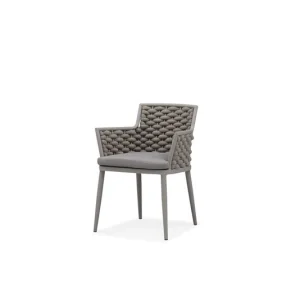
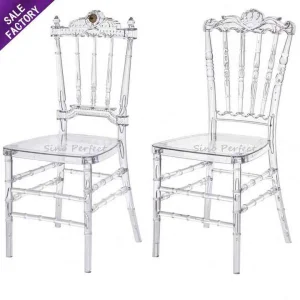
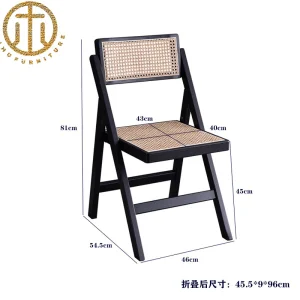
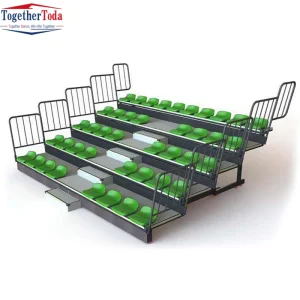
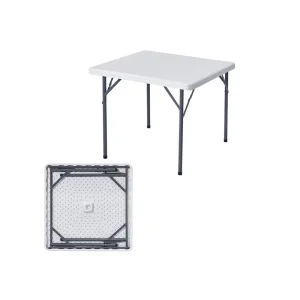
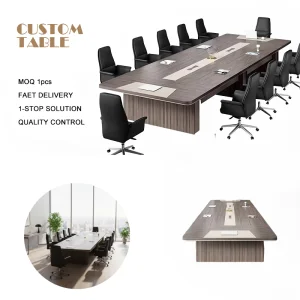
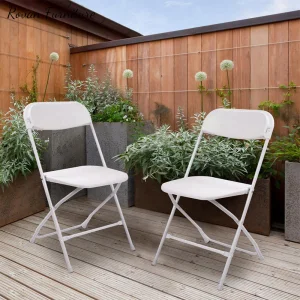
Modern educational philosophy has evolved from static, teacher-centric classrooms to dynamic, cooperative learning ecosystems. This paradigm shift has rewritten the technical criteria for school furniture manufacturing. Globally, schools, universities, and technical training centers demand physical furniture environments that support active pedagogy. Classrooms are no longer filled with immovable wooden benches. Instead, modern institutions rely on modular desks, ergonomic seating, and light, durable multi-purpose tables that can adapt to lectures, group discussions, and examinations within minutes.
According to international industrial furniture studies, the global school furniture market is expanding rapidly, driven by infrastructure upgrades in developing nations and the integration of ergonomic research in developed regions. Key purchasing factors are no longer limited to unit cost; they include long-term structural integrity, chemical emissions safety (such as E0 and CARB Phase 2 compliance), eco-certifications, and physical adaptability. Today's commercial project managers, municipal school buyers, and B2B distributors seek reliable manufacturing partners capable of delivering mass volumes without compromising strict international certifications such as ANSI/BIFMA, EN 1729, and ISO 9001.
Hebei Zabs Furniture Co., Ltd. stands at the forefront of China's professional commercial seating and furniture manufacturing sector. As a dedicated manufacturer and exporter, the company integrates advanced manufacturing capabilities with robust research and development pipelines to serve global educational, commercial, and hospitality markets. Our modern production facilities are engineered to deliver high-quality seating and workspace systems that meet international safety and ergonomic requirements.
With an experienced engineering team and a professional international sales department, we oversee every step of production. From raw steel selection, automatic pipe bending, robotic structural welding, to heavy-duty plastic injection molding and automated electrostatic powder coating, every batch of material is tracked. This systematic oversight guarantees that institutional products like classroom chairs, student desks, church seating, and conference tables withstand heavy daily use in high-traffic environments.
Operating with a philosophy of Quality First, Customer First, Integrity, and Innovation, Hebei Zabs Furniture Co., Ltd. has established solid partnerships with distributors, commercial contractors, and project designers across North America, Europe, South America, the Middle East, Africa, and Southeast Asia. We provide end-to-end OEM and ODM support, allowing buyers to customize dimensions, structural steel thickness, plastic formulations, fabrics, and branding to align with local market standards.
A visual step-by-step breakdown of our heavy-duty manufacturing infrastructure, showing the raw technology behind our institutional furniture quality.
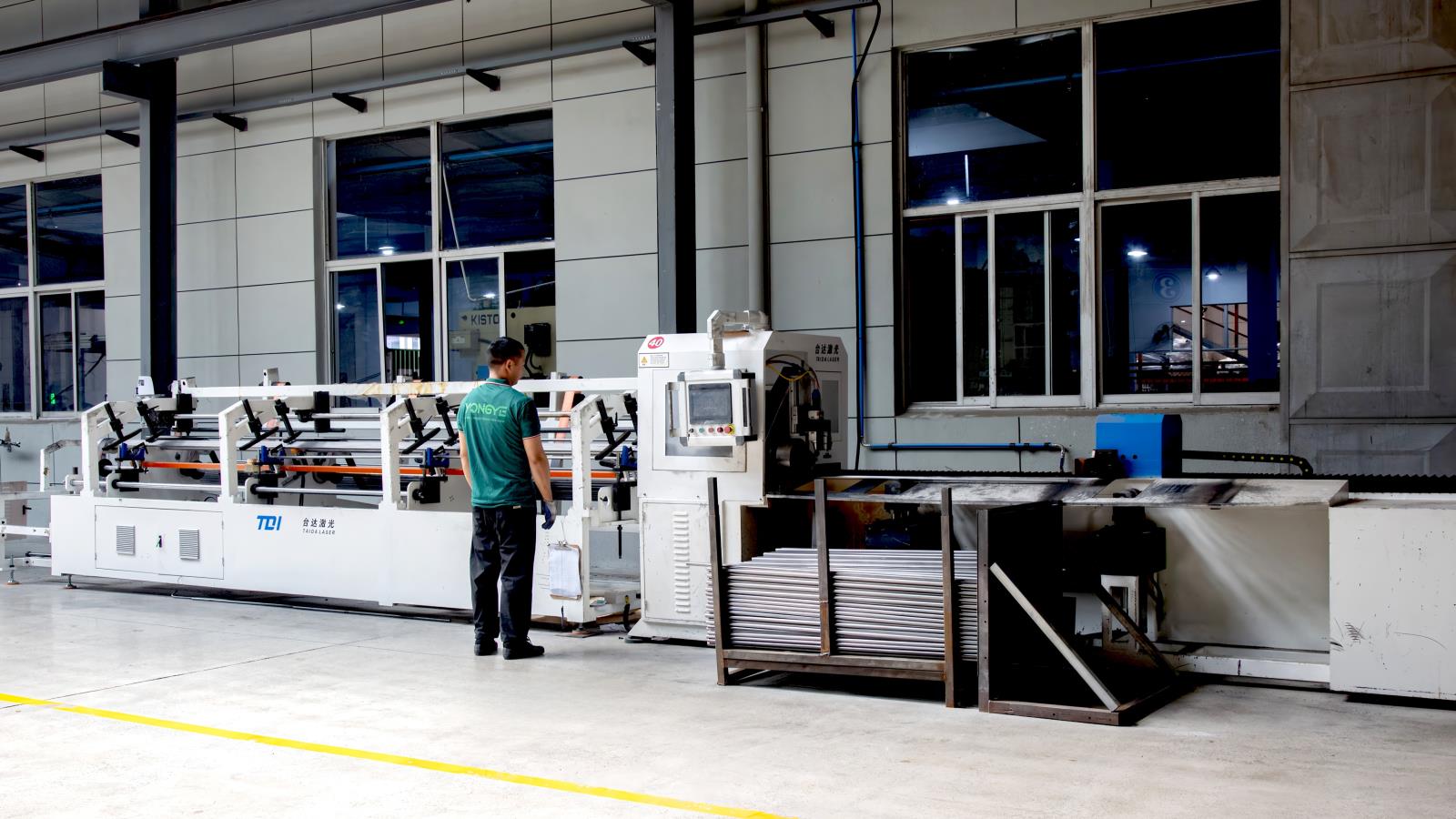
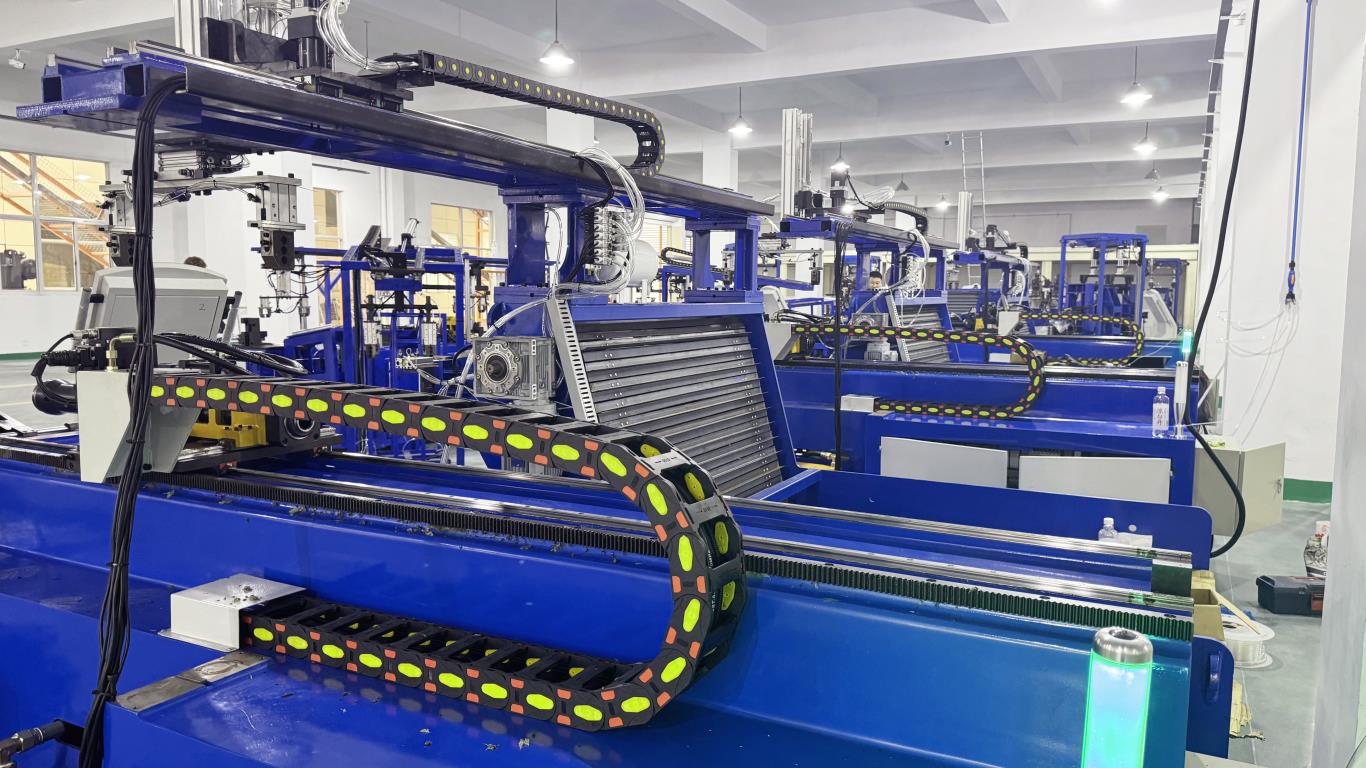
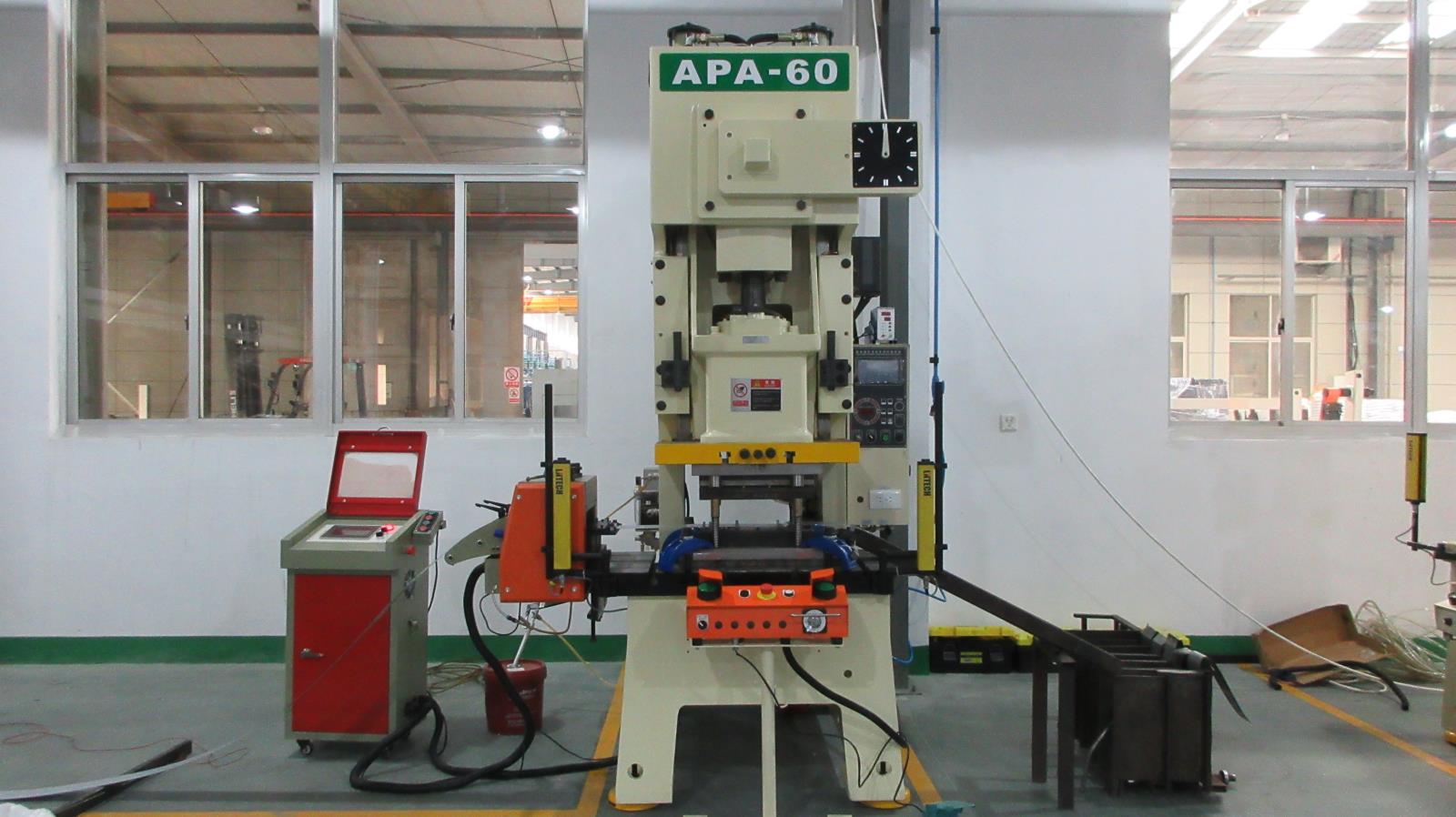
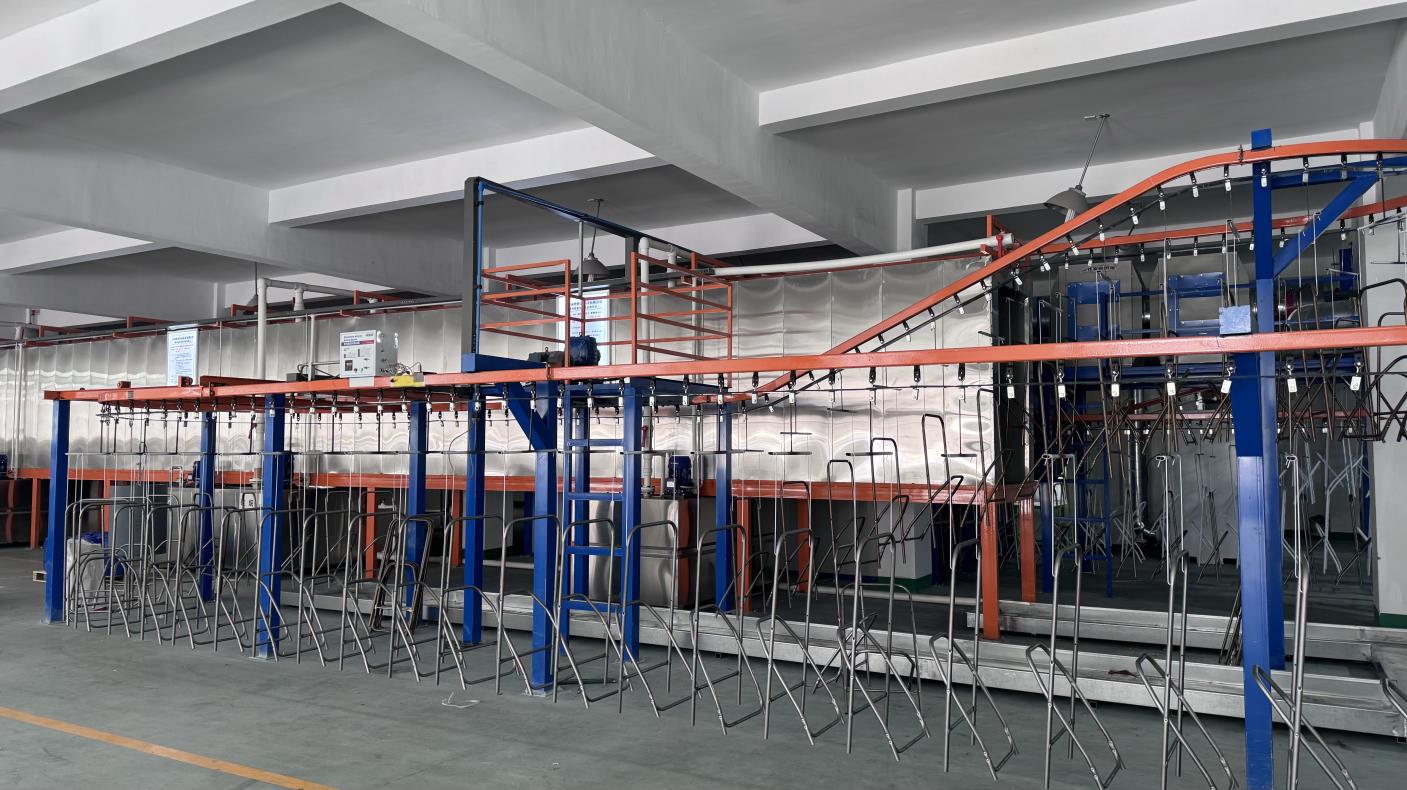
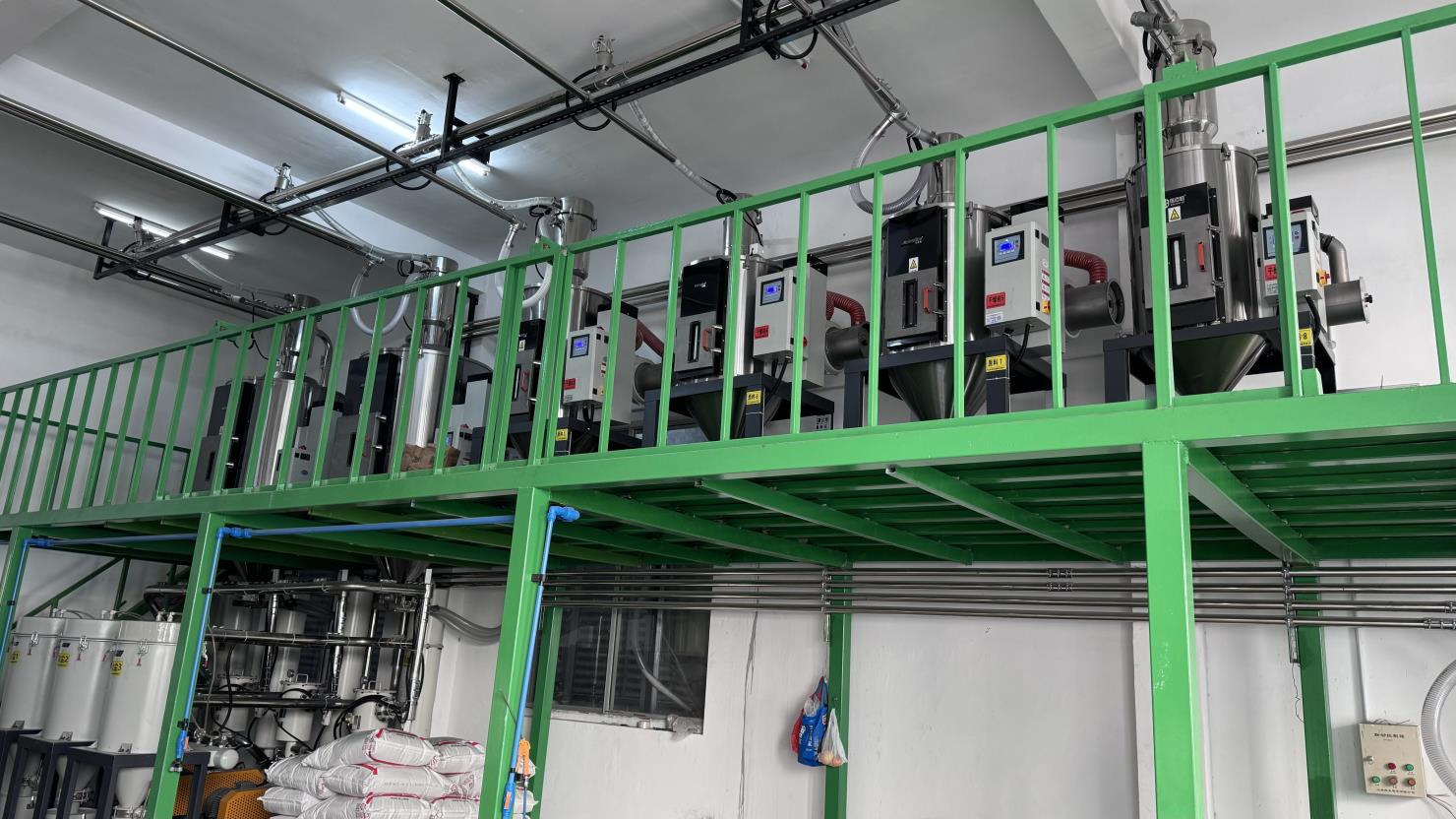
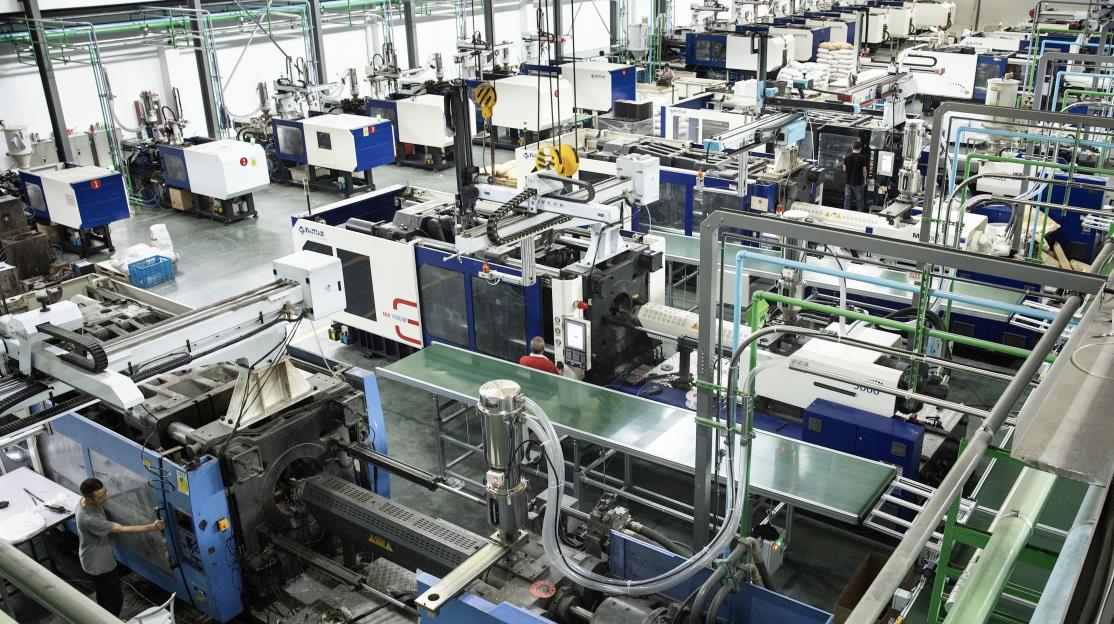
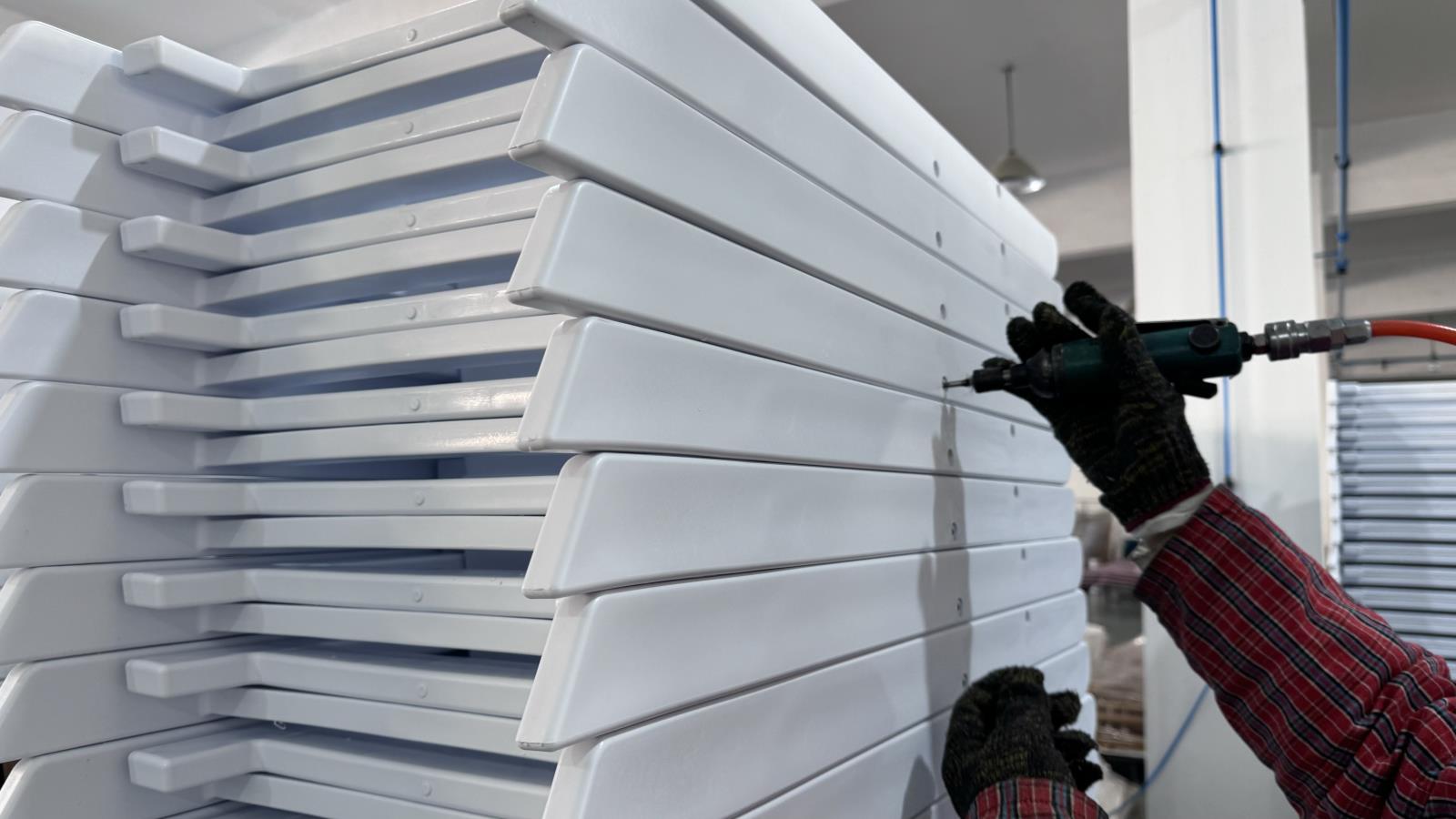
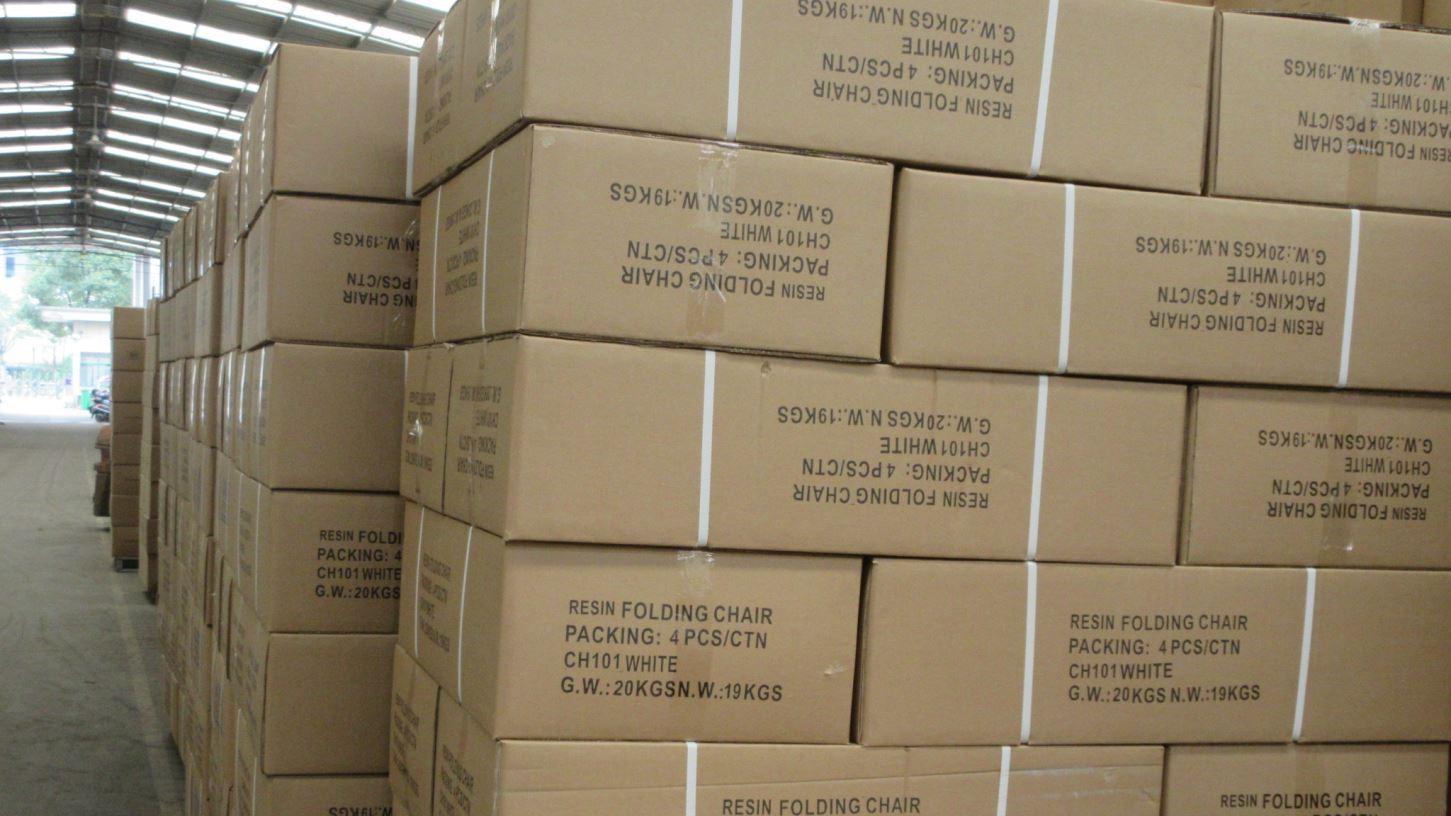
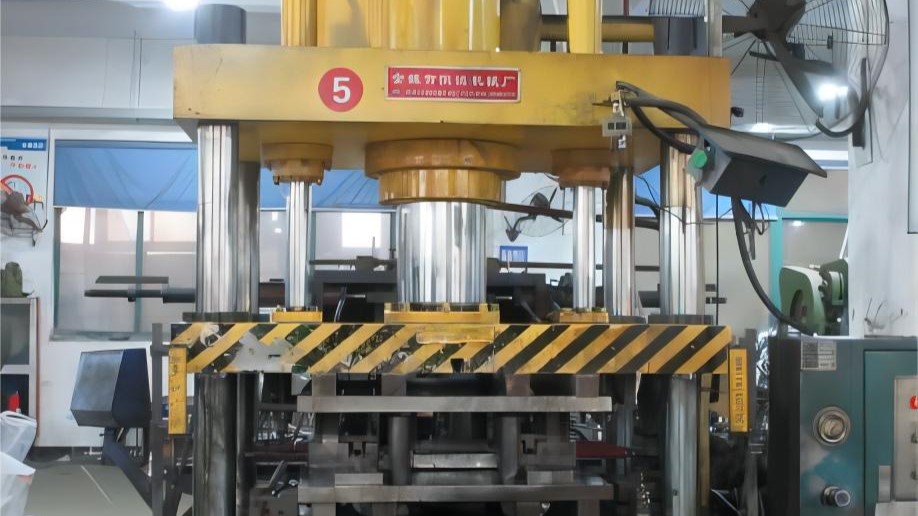
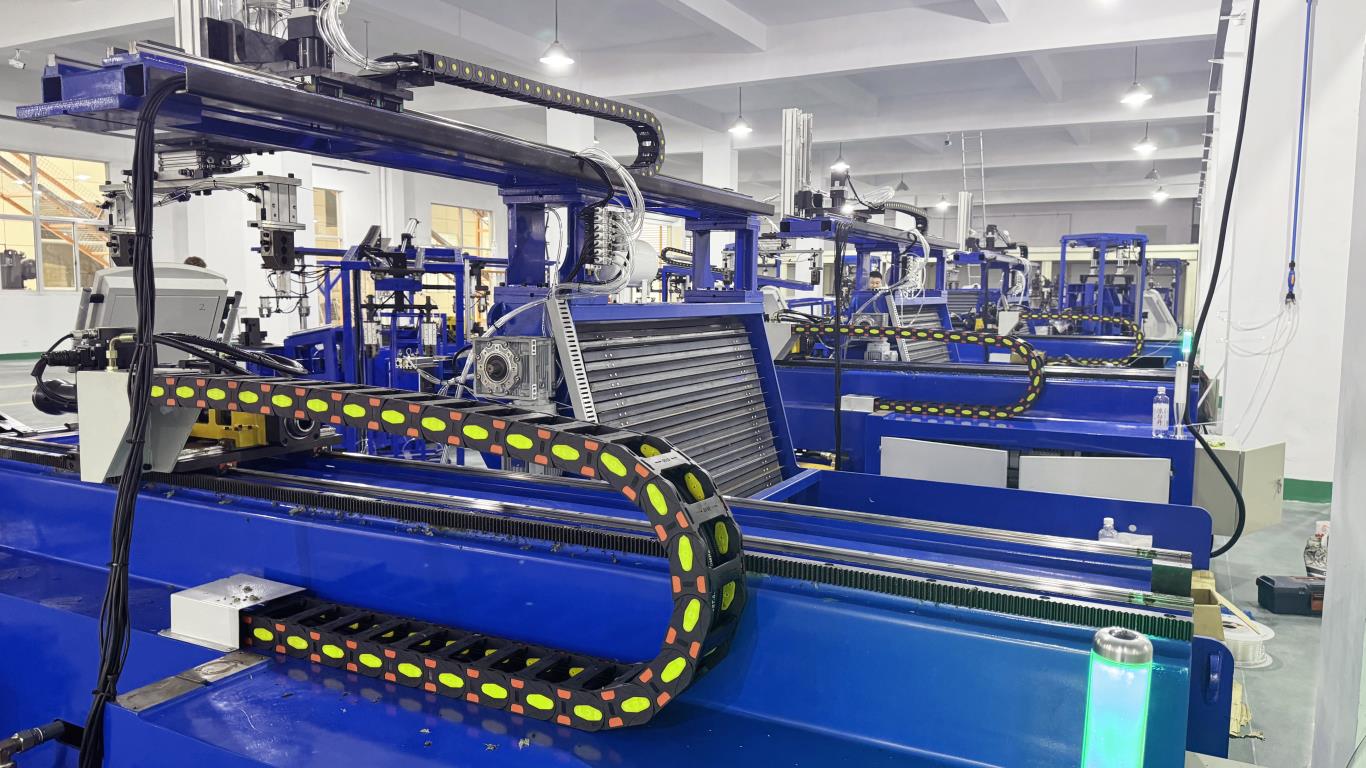
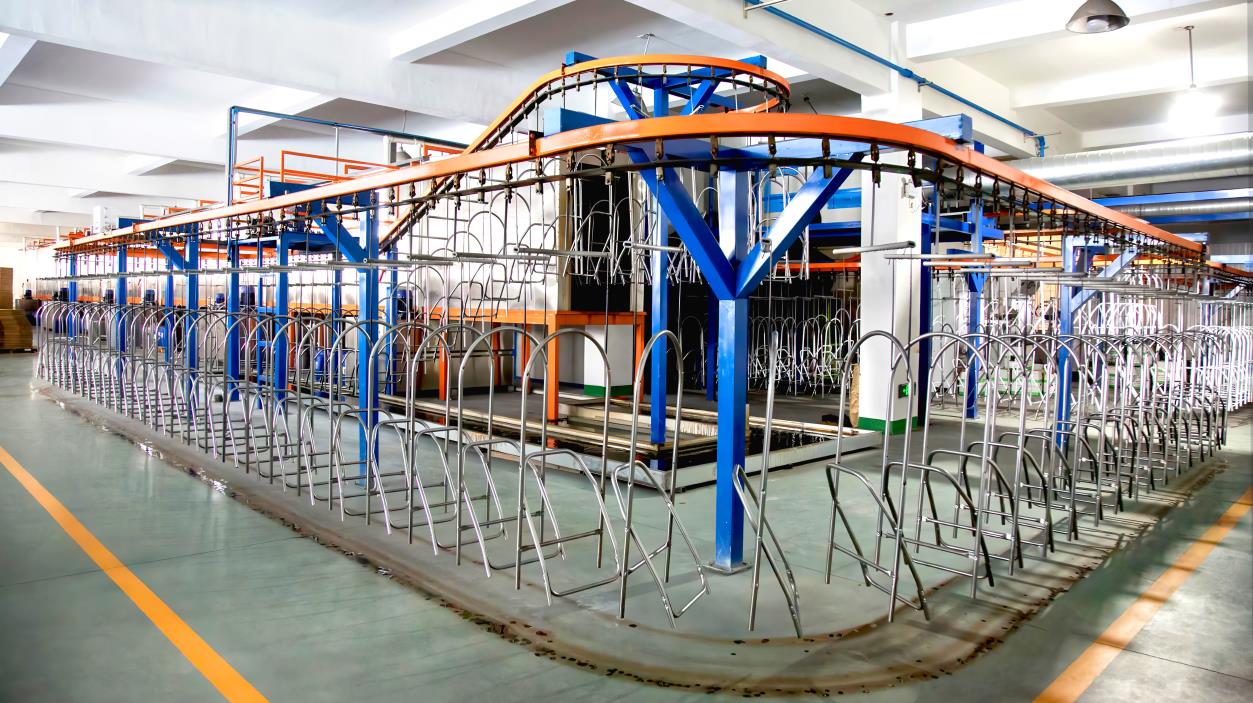
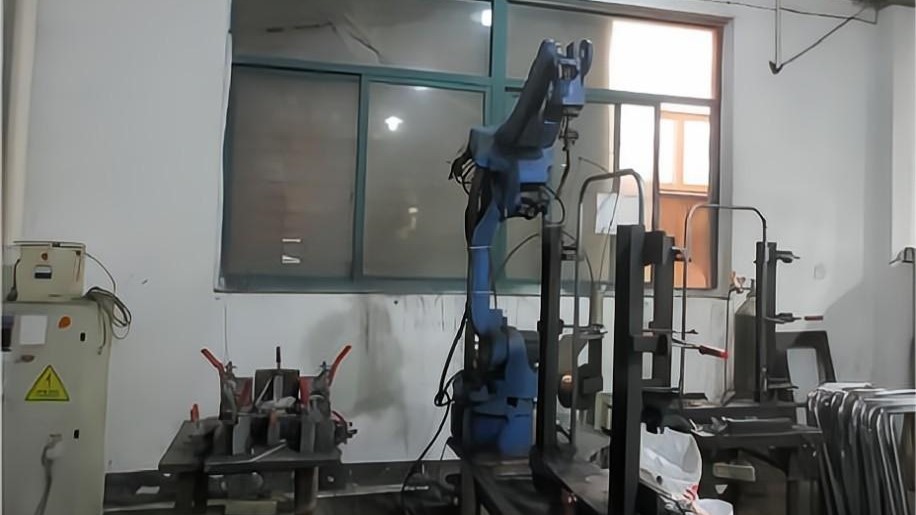
China remains the leading hub for global educational furniture production, thanks to integrated supply chain ecosystems and specialized regional clusters. Northern China, particularly the Hebei furniture industrial cluster, benefits from direct access to major steel production bases, advanced chemical treatment providers, and modern shipping ports. These factors help lower the cost of raw materials and streamline regional transport, allowing factories to manage large, urgent procurement cycles efficiently.
From raw steel cutting and pipe bending to in-house injection molding and electrostatic coating, vertical integration reduces third-party dependencies, keeps quality consistent, and lowers production lead times.
Proximity to major steel producers ensures a steady supply of high-grade carbon steel. This allows us to source structurally sound metal components and maintain production schedules during market shifts.
Strong logistics networks connect Hebei factories directly to major shipping terminals like Tianjin Port. This facilitates reliable container loading, custom clearance documentation, and ocean freight logistics to destinations worldwide.
Integrating robotic welding arms, automated pipe bending machinery, and large-capacity injection mold systems minimizes human error in structural joints. Automated finishing lines ensure that every steel tube receives a uniform, scratch-resistant powder coat. This protects products from corrosion and wear, even after years of daily cleaning and classroom use.
B2B buyers and institutional procurement managers need products engineered for specific spaces, target ages, and use cases. Educational and commercial spaces require tailored furniture solutions to support diverse daily activities:
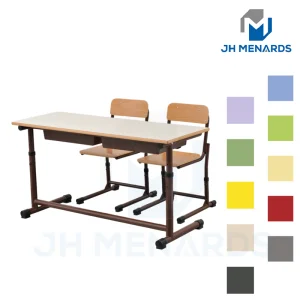
K-12 furniture must prioritize physical safety, ergonomic support, and ease of cleaning. Desks and chairs must be height-appropriate to support spinal alignment during long hours of study. High-density polypropylene plastics are ideal for these environments because they resist impact and pen marks, and can be cleaned quickly with standard sanitizers. Stacking chairs are crucial for multi-grade classrooms, allowing quick space reconfigurations.
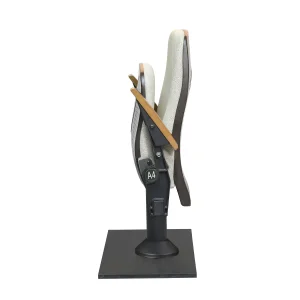
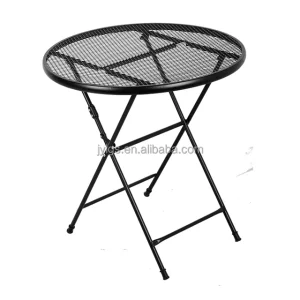
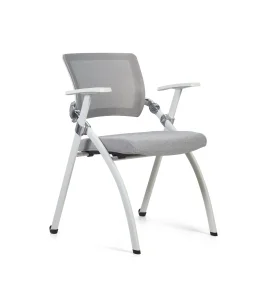
University lecture halls require space-saving solutions like tip-up seating and continuous writing desks. These layouts maximize seating capacity while maintaining clear pathways. For smaller seminar rooms, flexible folding tables and task chairs on casters allow students to transition easily from individual note-taking to team brainstorming sessions.
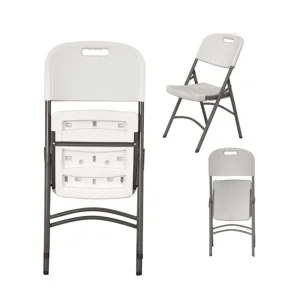
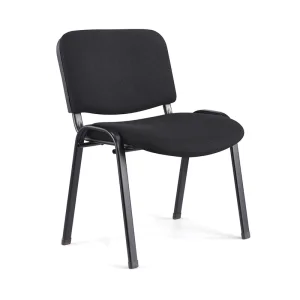
Auditoriums and event halls require heavy-duty seating that can be quickly set up, linked in rows, or stacked for storage. Fabric-upholstered steel church chairs and cushioned banquet chairs must offer structural durability alongside seating comfort. Linkable designs ensure clean, safe seating rows that comply with municipal fire codes.
To import commercial furniture successfully, buyers must verify compliance with regional safety, structural, and environmental standards. Standard specifications for major global markets include:
Seating must pass BIFMA X5.1 (General Purpose Office Chairs) or X5.4 (Public Seating) testing. These evaluations measure drop tests, base stability, and back durability. For wooden and composite products, CARB Phase 2 and EPA TSCA Title VI standards limit formaldehyde emissions from engineered wood substrates.
EN 1729 Part 1 and Part 2 define the standard heights, depths, and ergonomic postures for educational chairs and desks. Additionally, materials must comply with REACH regulations, ensuring they do not contain harmful plasticizers, phthalates, or lead compounds.
Upholstered chairs used in public auditoriums, offices, and schools must meet fire-retardant standards. Fabrics and PU foams are treated to meet BS 5852 (Crib 5) in the UK and California Technical Bulletin 117 or 133 in the United States, reducing flame spread.
The design of modern educational and commercial furniture is driven by three main factors: sustainability, ergonomic flexibility, and material safety. Global trends shaping future product development include:
Answers to technical and logistical questions for global buyers, project managers, and distributors sourcing from Chinese factories.
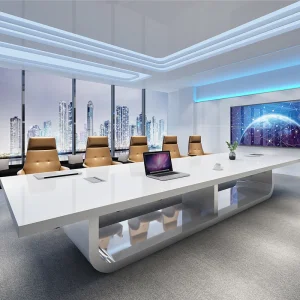
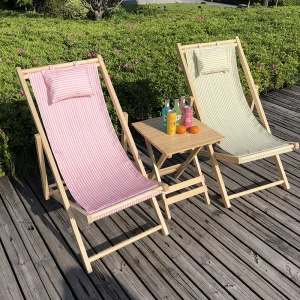
From flexible training spaces and executive boardrooms to outdoor event seating, our products are built for commercial durability.
 Zabs Furniture