Premium, high-durability selections engineered to meet rigid ANSI/BIFMA performance thresholds for institutional, hospitality, and workspace utilization.
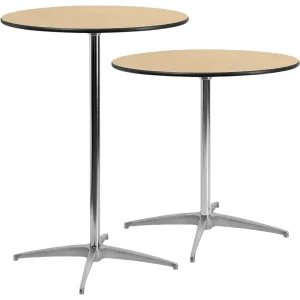
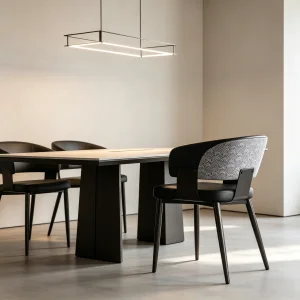
A comprehensive analysis of structural manufacturing shifts, advanced metallurgy, and dynamic application scenarios in global commercial projects.
The global utility table and commercial seating landscape has transcended basic structural utility. Today, modern procurement operations view furniture systems not merely as static capital expenditures, but as highly dynamic spatial productivity elements. The demand shift is heavily tilted towards modular flexibility, material longevity, and certified structural performance. Heavy-duty utility tables and institutional seating are expected to withstand intense, high-frequency configuration cycles in workspaces, corporate environments, educational centers, and hospitality banquets.
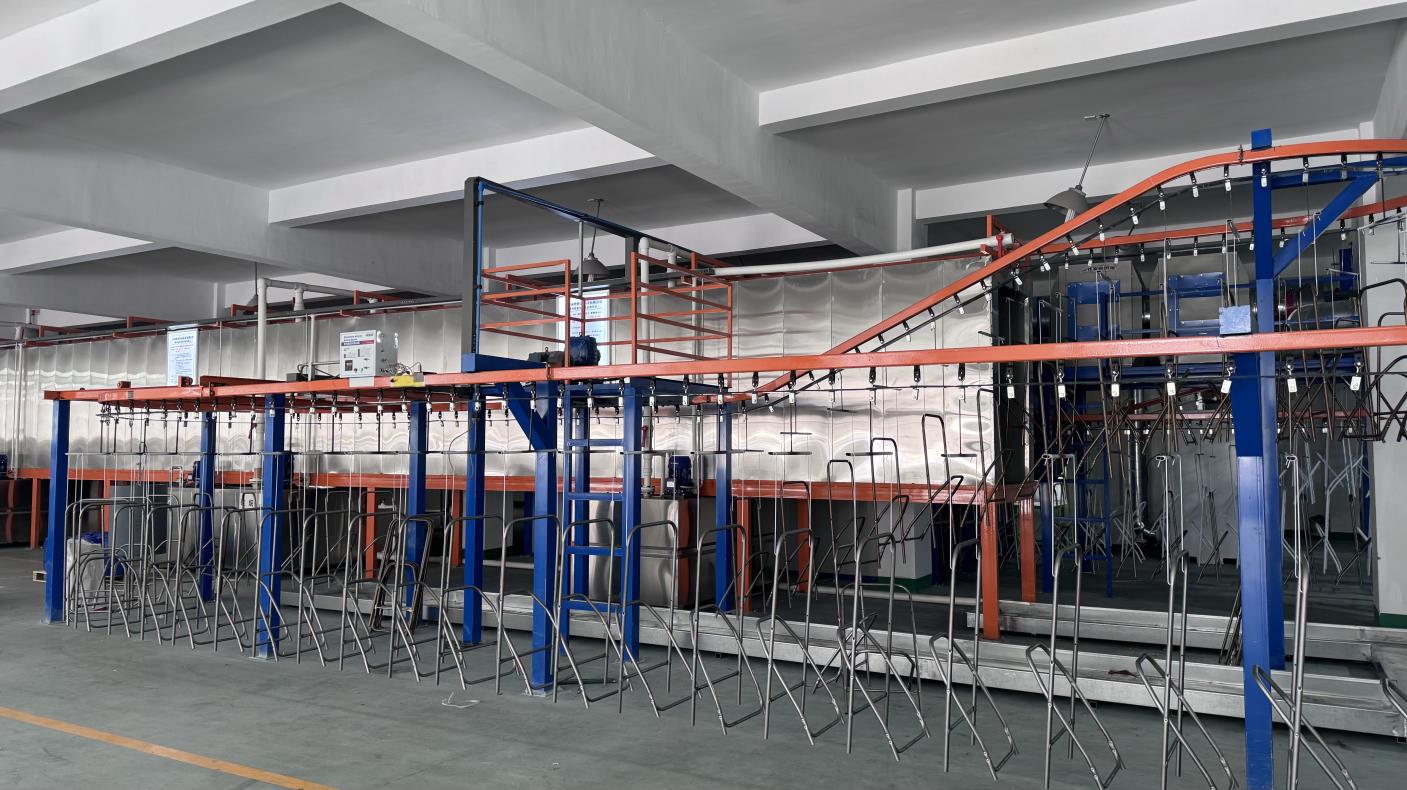
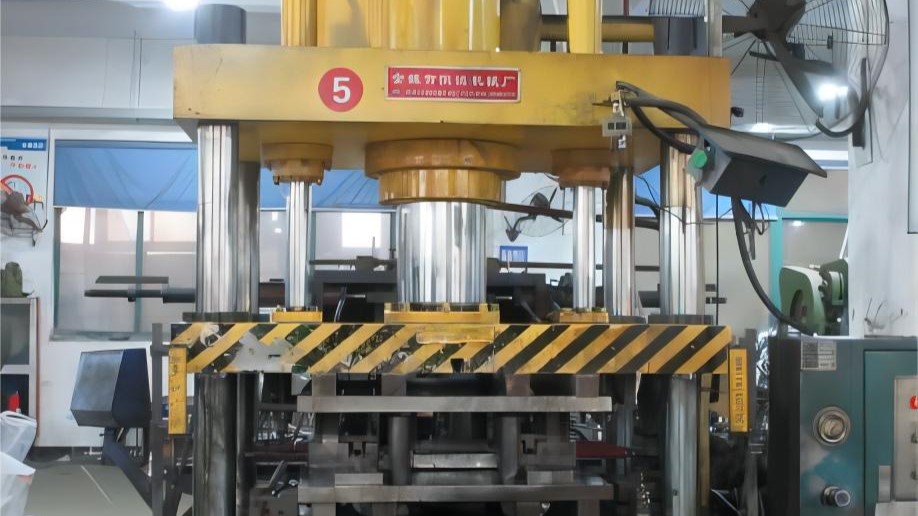
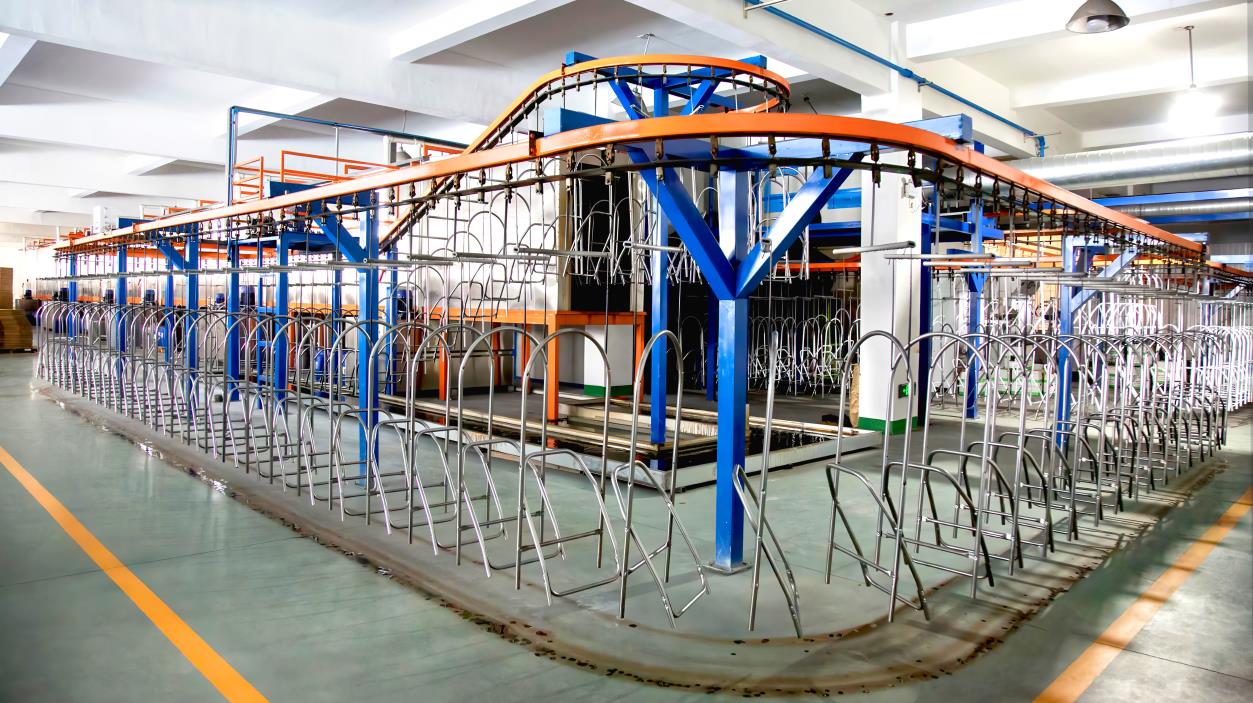
From a manufacturing standpoint, engineering excellence is determined by how effectively structural stability is integrated with lightweight capabilities. Standard commercial utility tables now rely on high-grade hollow structural sections (HSS) and structural-grade cold-rolled steel frames. Surface treatments have evolved from simple liquid paint processes to advanced thermo-cured electrostatic powder coatings, offering superior wear resistance, moisture protection, and scratch mitigation. Simultaneously, the integration of blow-molded high-density polyethylene (HDPE) and eco-friendly engineered wood composites provides the required load-bearing thresholds while satisfying global environmental initiatives.
Integration of UV-stabilized virgin polymers and structural steel frames with specialized cross-linking treatments, ensuring minimal fatigue degradation under sustained loading conditions.
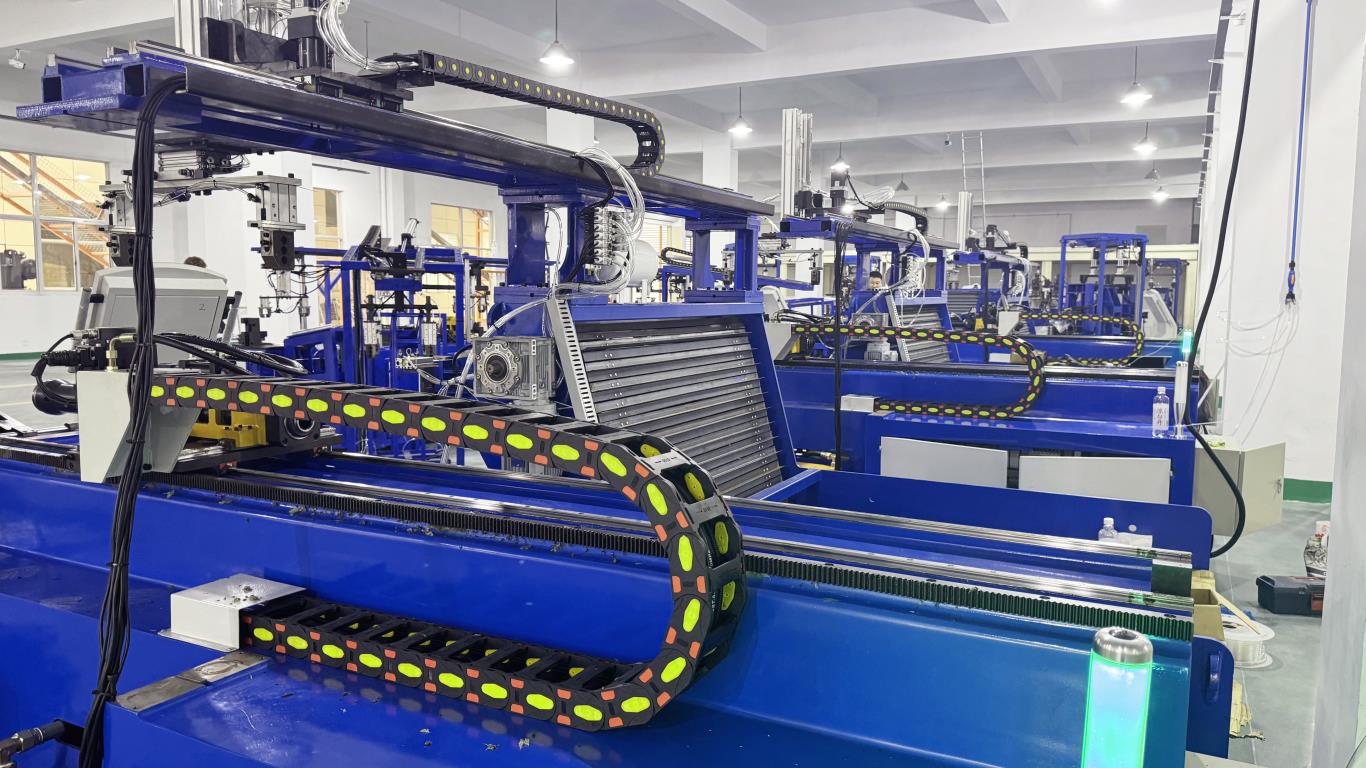
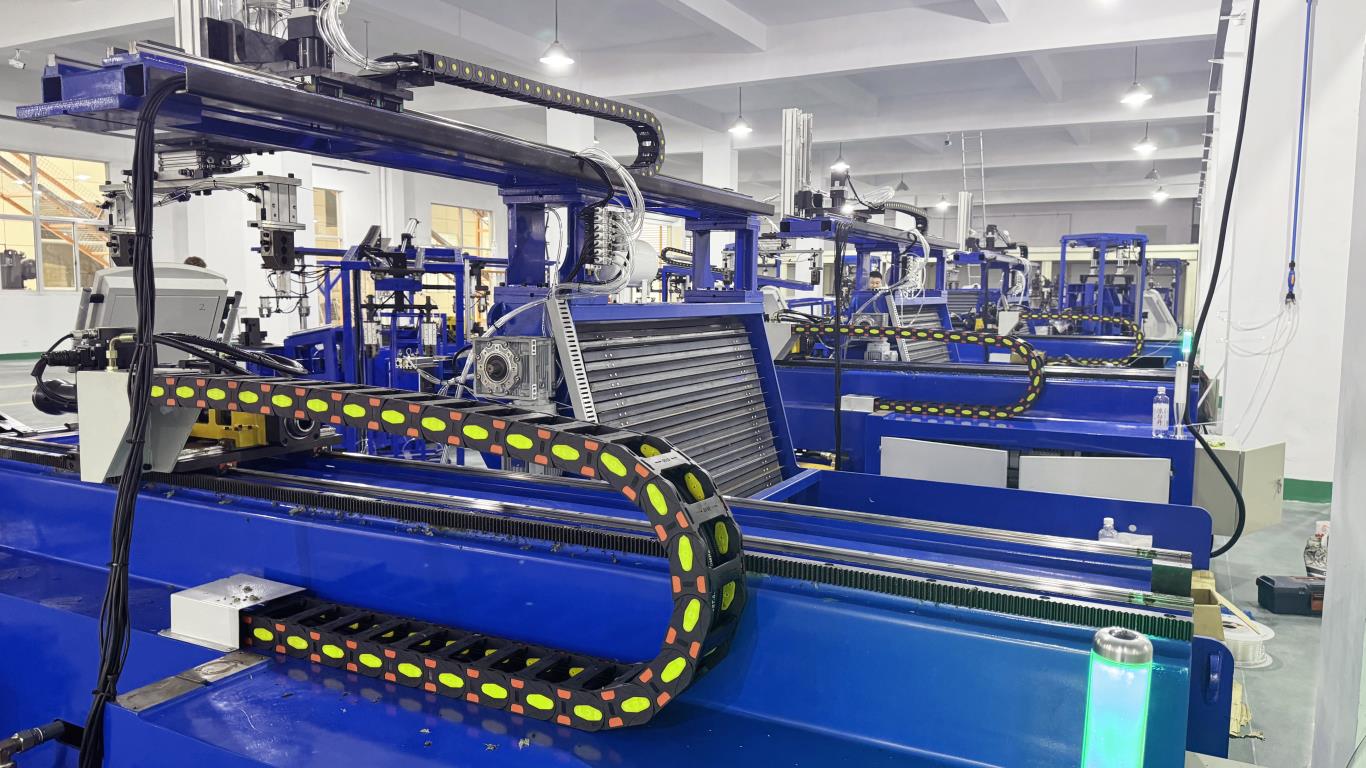
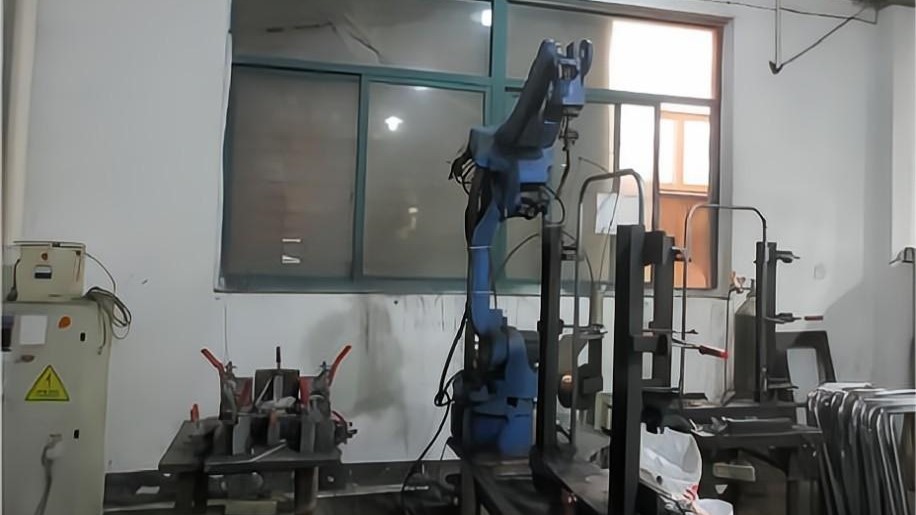
By implementing robotic structural welding and high-precision CNC tube bending, factories reduce critical joint failures, yielding a 35% improvement in product lifecycle and lowering Total Cost of Ownership.
Evaluating industrial capacity, specialized engineering infrastructure, and global distribution logistics of a premier OEM/ODM manufacturer.
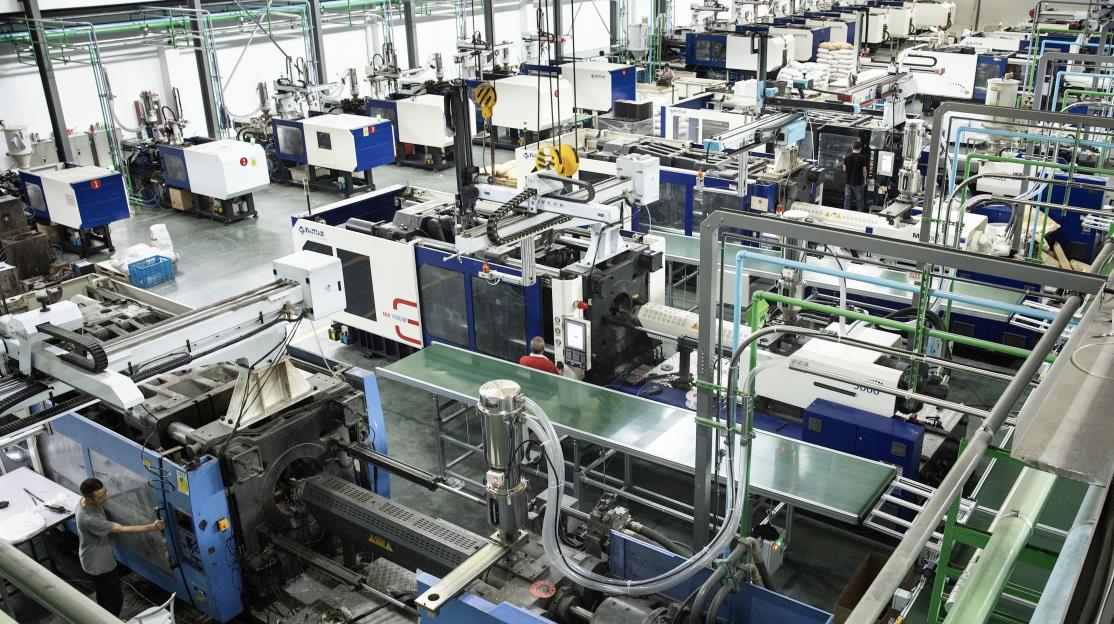
Hebei Zabs Furniture Co., Ltd. stands as a specialized manufacturer and global exporter of high-grade commercial seating and multi-functional furniture solutions. Utilizing modern production facilities, an in-house engineering and R&D department, and a streamlined international supply chain system, the enterprise delivers reliable, long-lasting commercial furniture projects worldwide. Operating under strict international quality guidelines, Zabs Furniture ensures structural reliability in its comprehensive product lines.
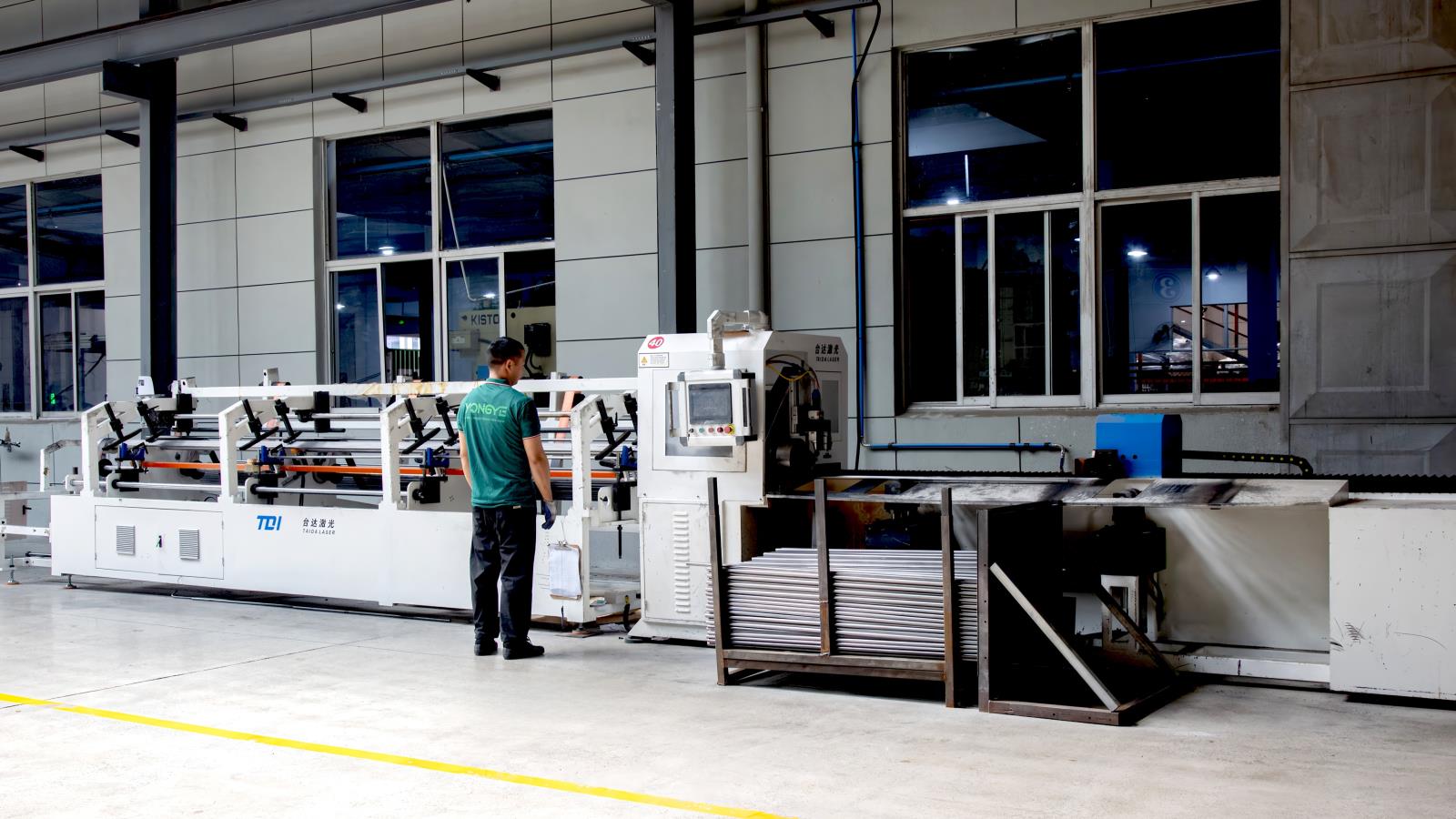
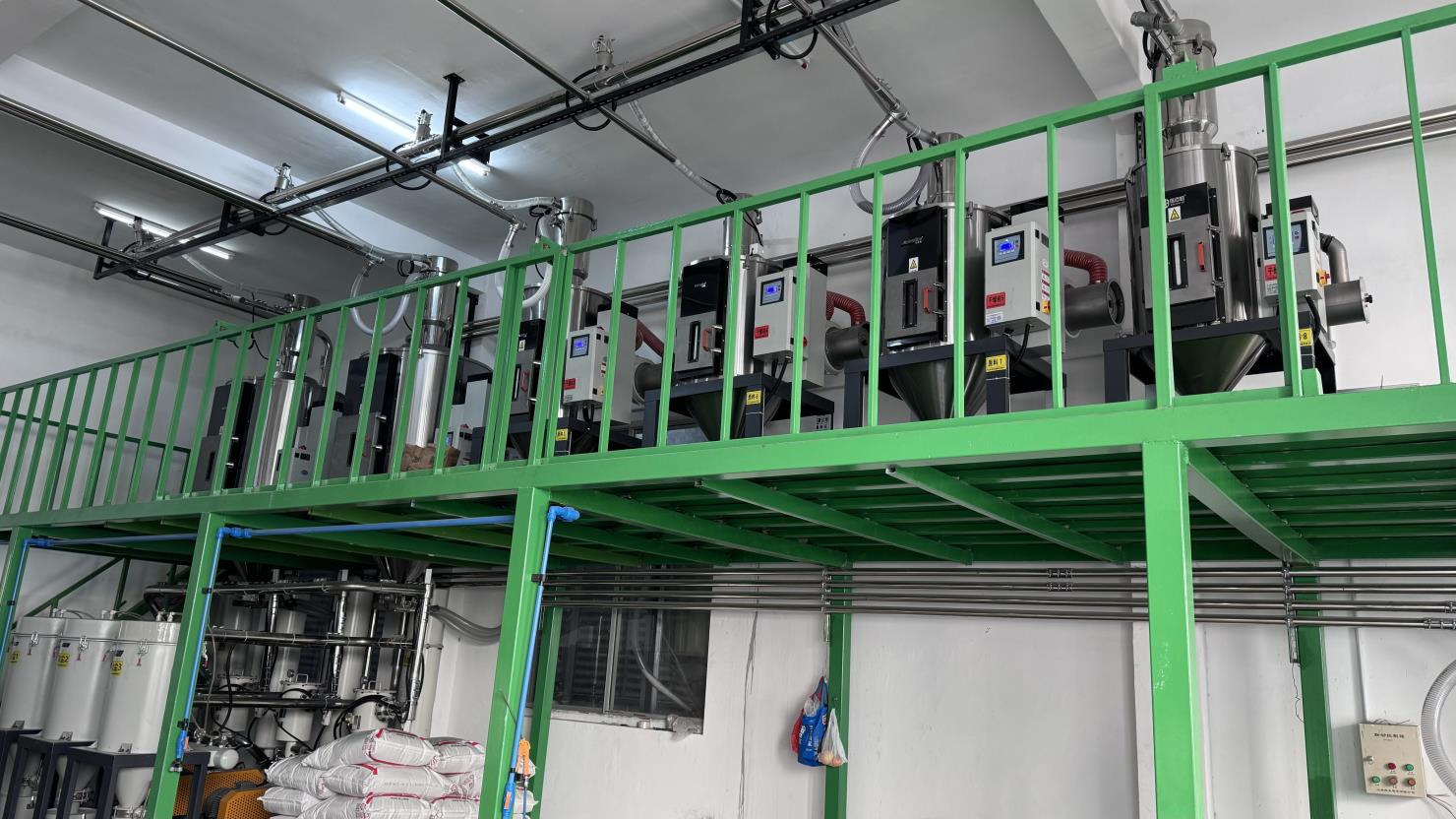
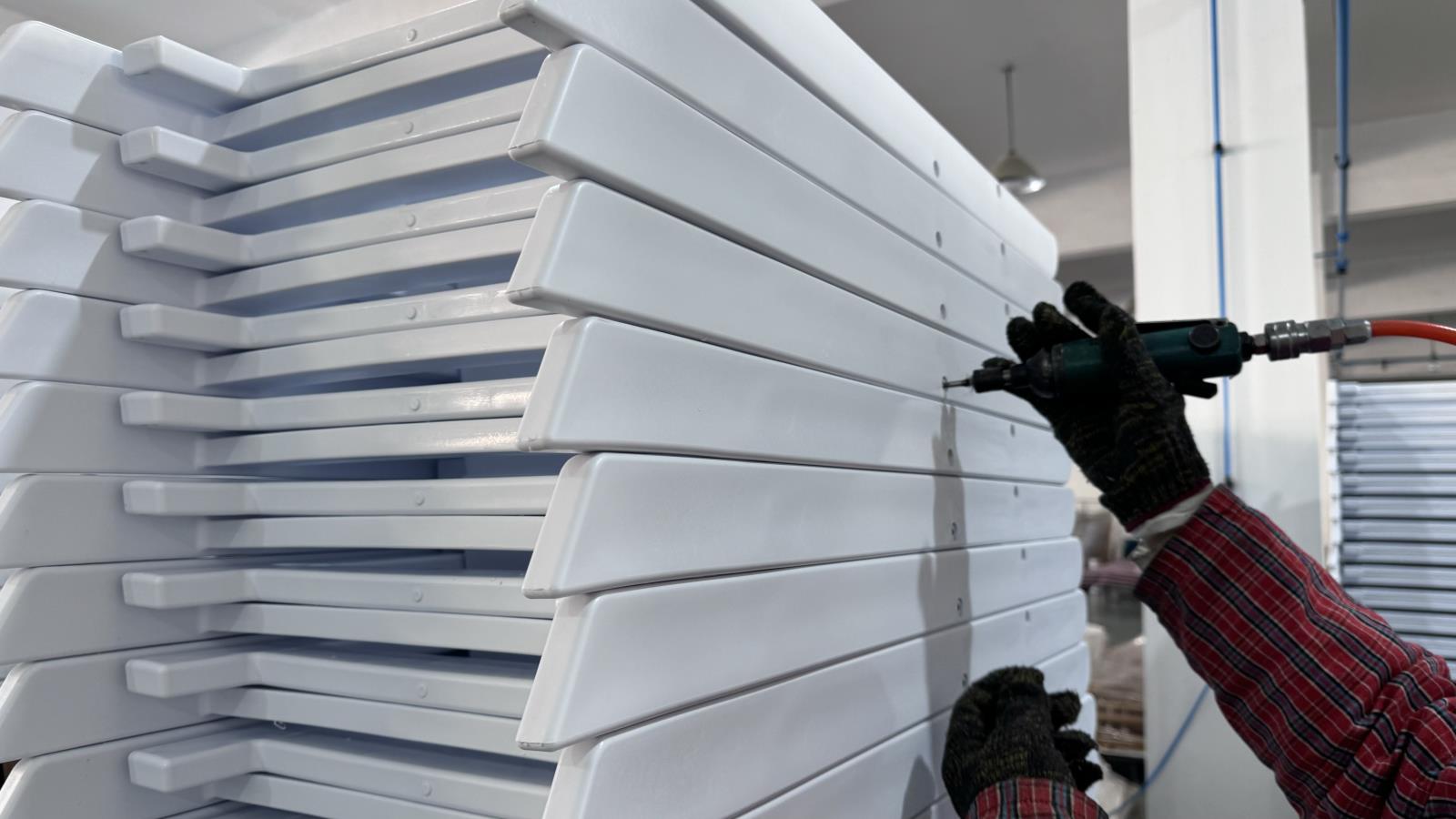
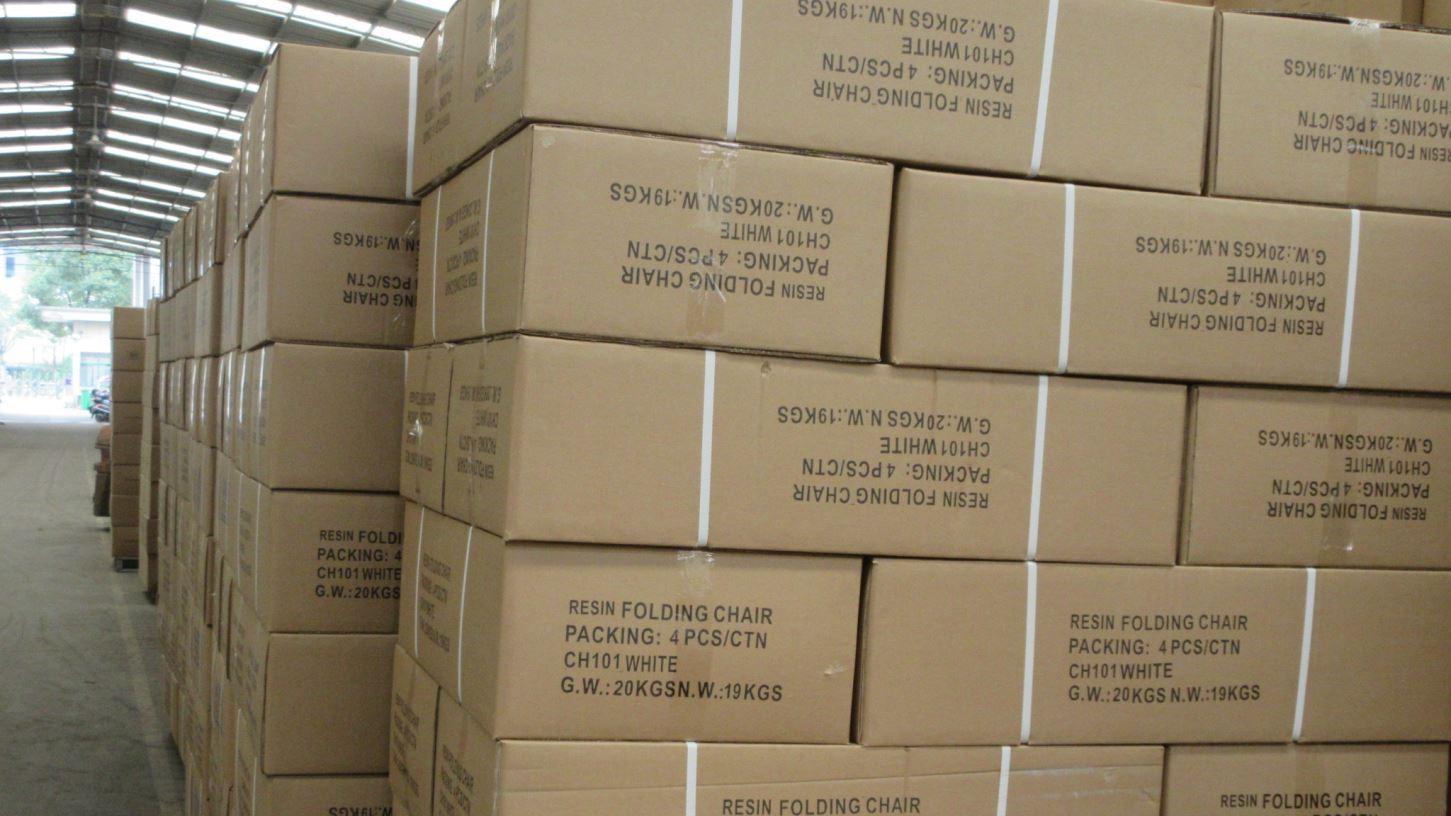
From raw steel processing to final product packaging, the entire manufacturing workflow operates under a centralized, documented Quality Control (QC) program. Every material batch undergoes chemical composition and mechanical tensile stress tests. The welding and assembly stages utilize dedicated robotic fabrication fixtures to maintain design consistency and structural load-bearing capacity. These production standards enable the company to fulfill high-volume international commercial projects, including church halls, major hotel banquets, convention centers, public schools, and regional distributors.
With established markets spanning Europe (Poland, the Netherlands, Romania, Spain), North America (USA, Canada), South America, the Middle East, Africa, and Southeast Asia, Zabs Furniture supports multi-channel contract fulfillment. The company provides complete OEM/ODM customization services, including frame gauge adjustments, custom powder-coat finishes, flame-retardant fabric selections (complying with standard safety codes like CA117 or BS5852), and tailored corporate brand labeling.
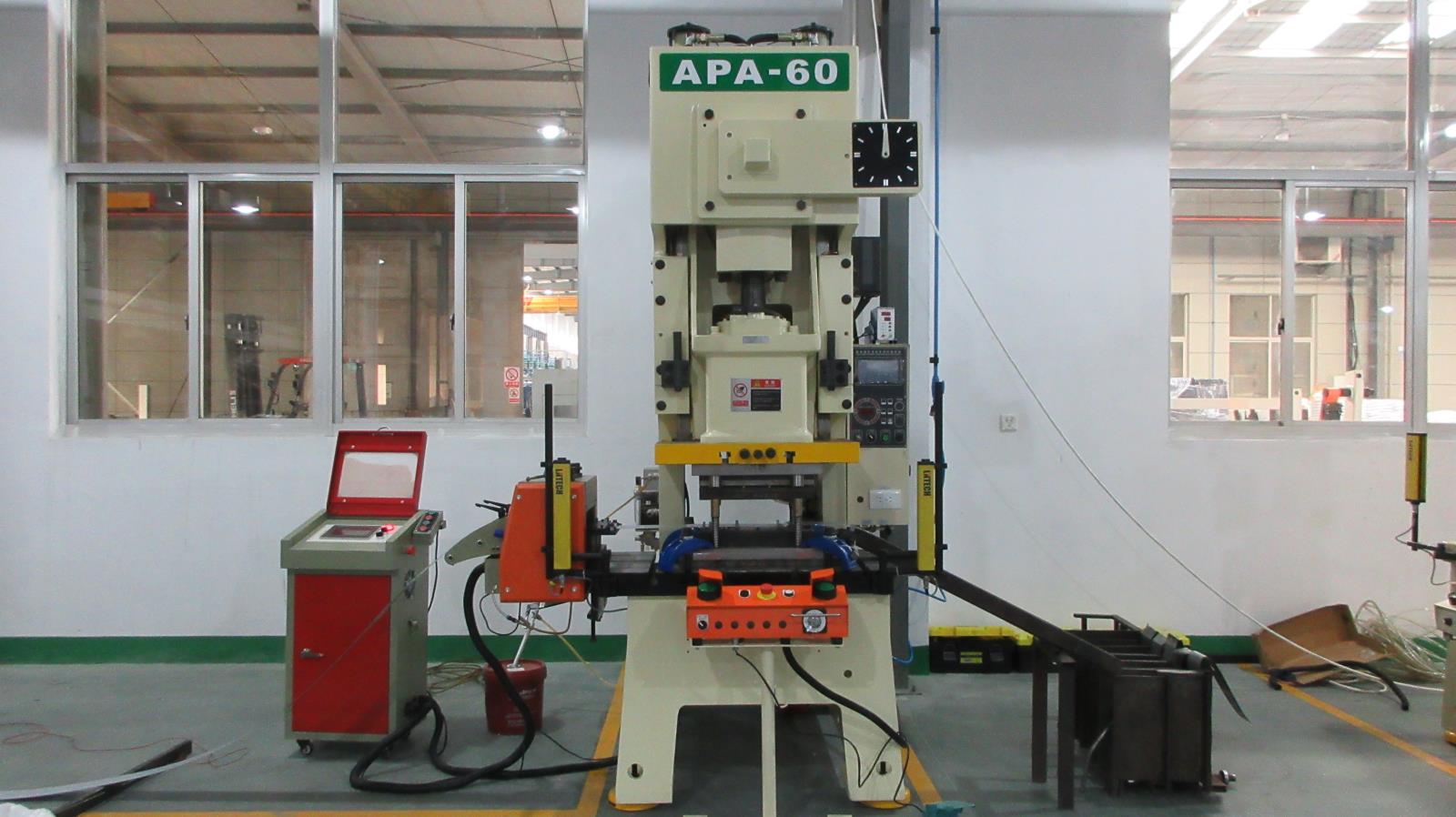
Visualizing the step-by-step technological workflow, mechanical stamping, robotic welding, and automated surface treatment protocols at the Zabs Furniture factory.
Analyzing key evaluation factors for institutional and enterprise procurement teams targeting global furniture manufacturers.
Enterprise procurement agents, architectural specifiers, and commercial project managers follow comprehensive checklists when selecting utility furniture suppliers. These criteria include structural safety, regulatory compliance, logistical efficiency, and supplier financial stability. Key structural evaluations focus on fatigue limits, vertical static load limits, and tip resistance under load stress.
Additionally, modern supply chain risk management requires selecting manufacturing partners that offer end-to-end traceablity and consistent, automated fabrication. Manual welding processes can introduce variations that compromise structural integrity. In contrast, automated robot welding and high-precision CNC tube cutting ensure uniform wall thickness and weld distribution across volume orders. Stackability also represents a major operational and shipping requirement, with nested designs significantly reducing transatlantic shipping costs and regional warehouse overheads.
Custom configurations and design approaches optimized for specific commercial, educational, and public seating applications.
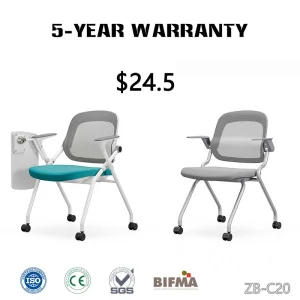
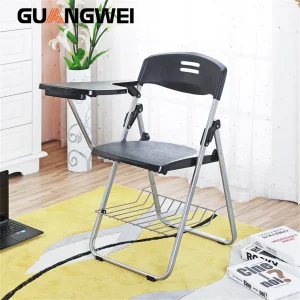
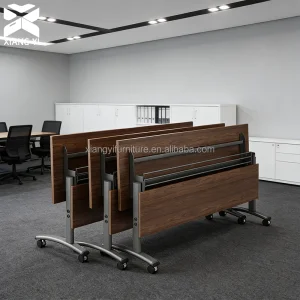
Training facilities require flexible environments. Multi-functional folding tables integrated with nesting mesh chairs allow instructors to rapidly transition from collaborative workgroups to traditional lectures. Integrated writing tablets and modesty panels enhance student focus and comfort.
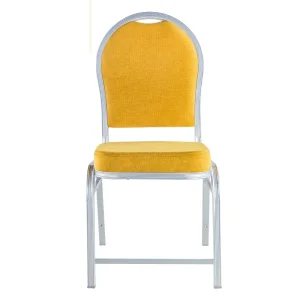
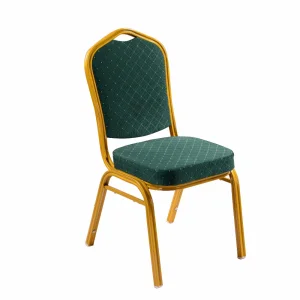
Large banquets require lightweight, high-capacity, stackable seating. Using aluminum alloy or high-tensile steel frames with high-density polyurethane foam cores provides long-term sitting comfort while simplifying setup, tear-down, and vertical storage processes.
For healthcare environments and clinical reception zones, priority shifts to surface sanitation and microbial resistance. Upholstered options must feature high-grade polyurethane (PU) or PVC coatings that can withstand harsh chemical sanitizers without cracking or peeling. Similarly, seamless table edges prevent fluids from entering core substrates, reducing structural delamination and bacteria growth.
Highlighting the integration of smart production processes, circular economy initiatives, and advanced raw materials in next-generation commercial furniture manufacturing.
The manufacturing sector is entering a transformative era focused on carbon neutrality, automated production, and smart features. By utilizing Internet of Things (IoT) sensors within modern CNC milling and injection molding platforms, factories monitor tolerances in real time. This preventive adjustment loop significantly reduces material waste and guarantees dimensional accuracy across large production runs.
Simultaneously, the industry is transitioning toward bio-based composites and recycled alloys to support circular product lifecycles. Future utility tables will incorporate light-weight hybrid cores that offer comparable load capacities to solid wood or steel at a fraction of the weight. This innovation simplifies logistics and reduces greenhouse gas emissions during shipping and distribution.
Essential certifications and quality protocols that ensure commercial products meet international structural safety and environmental standards.
Commercial utility tables must comply with strict regional safety and environmental codes to qualify for public and institutional bidding. The primary standard for commercial seating is the ANSI/BIFMA X5.1 (for office seating) and X5.5 (for desk and table products). These specifications outline rigorous testing regimens for cyclic drop tests, leg strength limits, static load capacities, and stability. Sourcing from factories that lack certified verification exposes buyers to liability risks and premature product failures.
Addressing the common technical, logistical, and material queries raised by B2B buyers and supply chain managers.
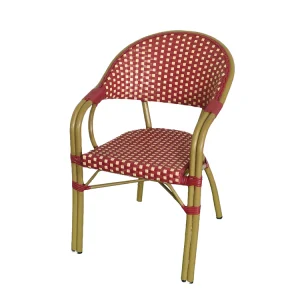
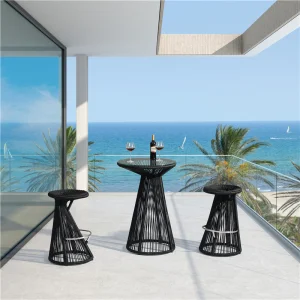
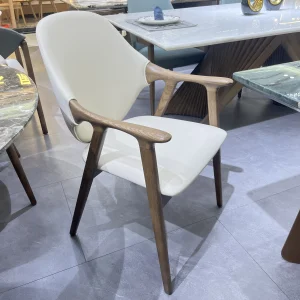
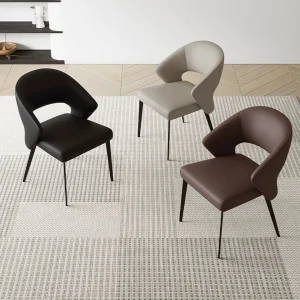
Explore our multi-functional folding tables, cafe bistro seating, and ergonomic training chairs designed to optimize workspace performance.
 Zabs Furniture