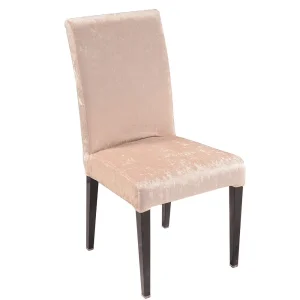
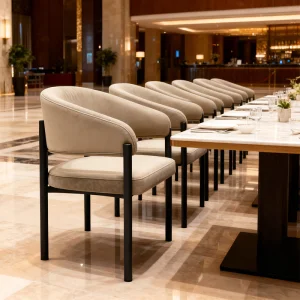
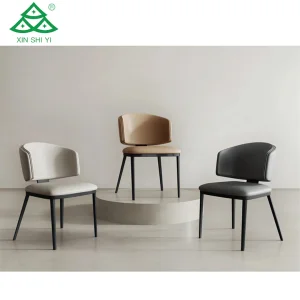
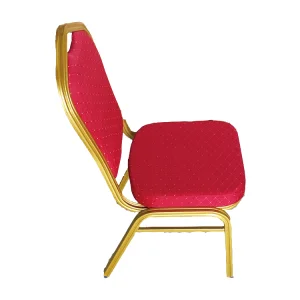
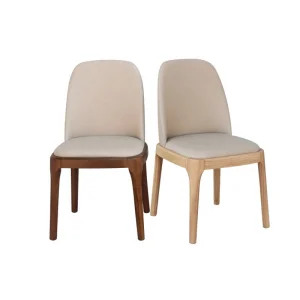
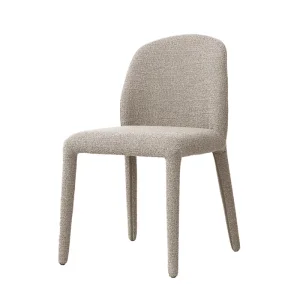
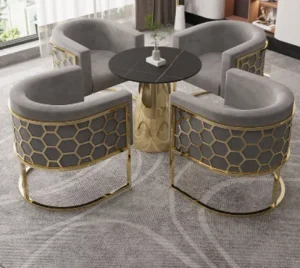
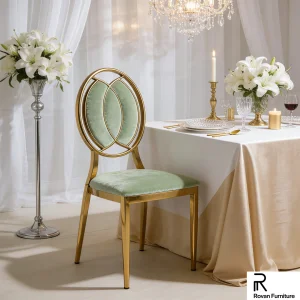
Custom-configured to align with the visual identities of Beverly Hills boutiques, Downtown LA design hubs, and Santa Monica beachfront luxury resorts.
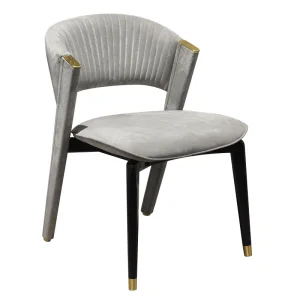
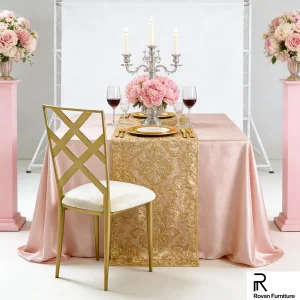
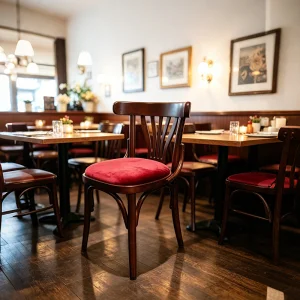
The Greater Los Angeles Area operates as a global nexus for culture, high-end hospitality, and culinary distinction. As design agencies in West Hollywood and developers in Downtown Los Angeles (DTLA) continue to reshape the hospitality landscape, the furniture specifications required for these public spaces have escalated. Hotel dining chairs are no longer treated merely as functional utilities; they are structural statements that must endure high-velocity consumer churn while maintaining pristine visual metrics.
With major upcoming global events including the 2026 FIFA World Cup and the 2028 Summer Olympic Games, Los Angeles hotels, luxury resorts, and high-capacity event venues are executing comprehensive asset renovations. Procurement managers demand furniture options that harmonize aesthetic plasticity with commercial-grade durability.
Due to the year-round tourism profile of Southern California, seating systems in LA properties experience twice the duty cycle of seasonal locations. Hotel dining chairs must withstand continuous shifting across varying flooring materials—from internal carpet and hardwood to outdoor polished concrete patios exposed to coastal air. Sourcing from a specialized manufacturer like Hebei Zabs Furniture Co., Ltd. ensures that chairs are built using advanced metallurgy, structural reinforcement, and high-performance surface treatments that prevent maritime corrosion and mechanical wear.
Additionally, California design focuses heavily on organic modernism, mid-century retro revivals, and minimalist structures that use thin-profile steel frames. Engineering thin-profile frames to support commercial loads requires precision-controlled robot welding and structural grade tubing—capabilities native to Hebei Zabs' modernized manufacturing facility.
To compete in the Los Angeles hospitality supply network, hotel dining chairs must meet strict structural standards. We engineer every component—from frame gauge to upholstery foam—to ensure longevity and compliance with international hospitality standards.
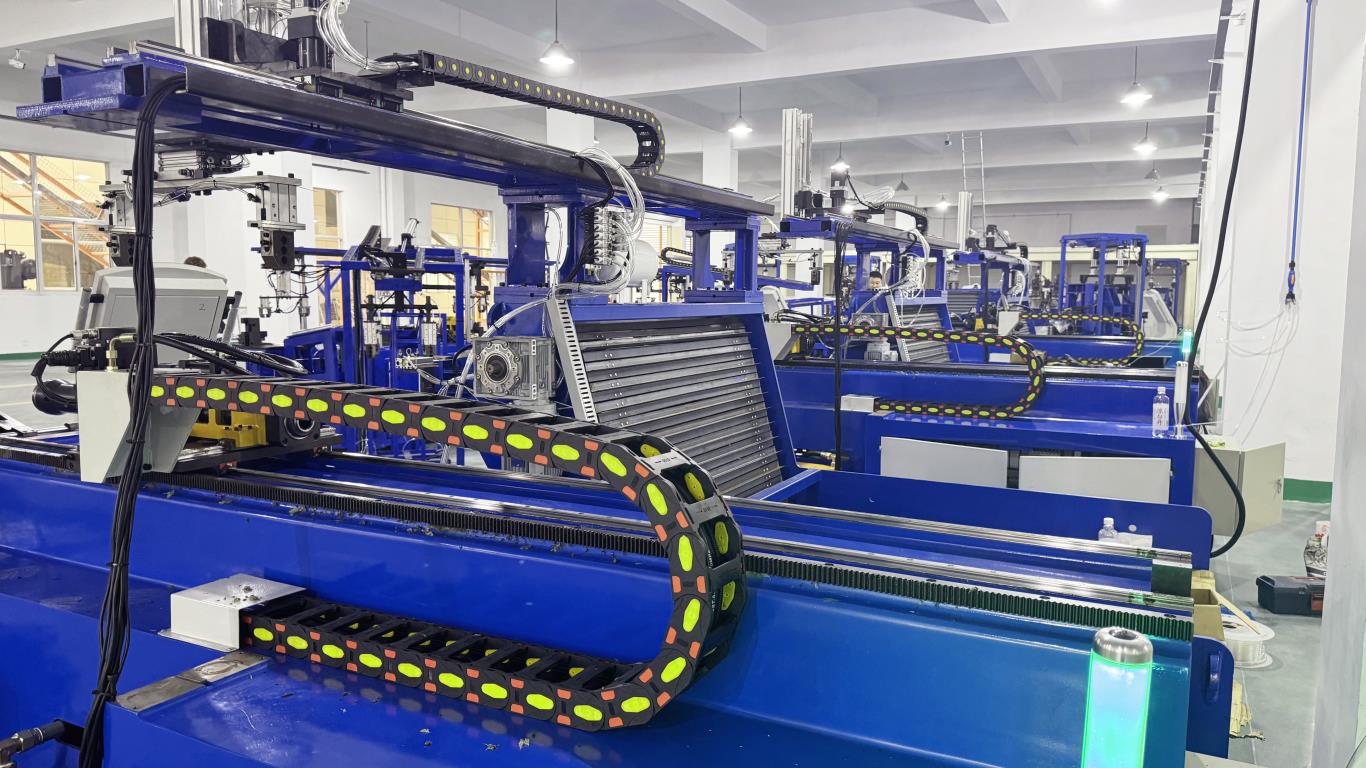
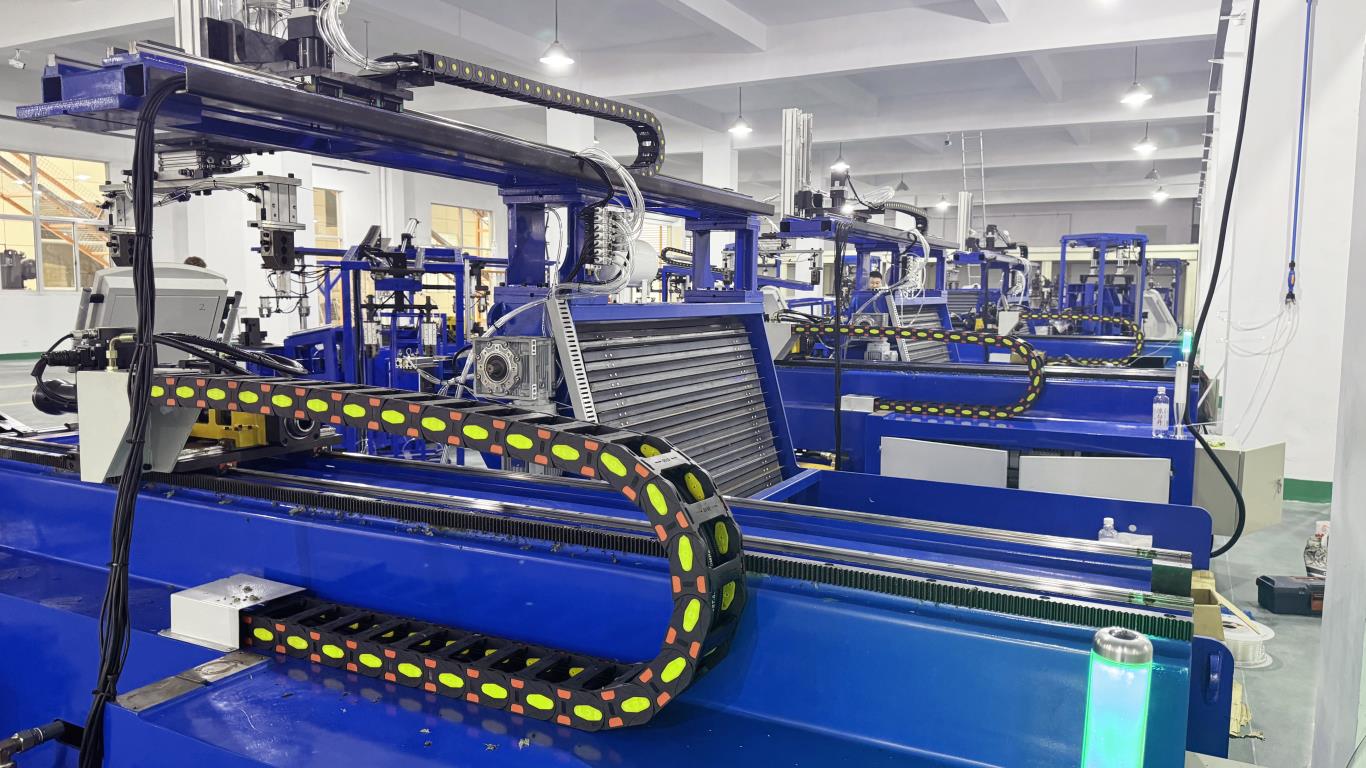
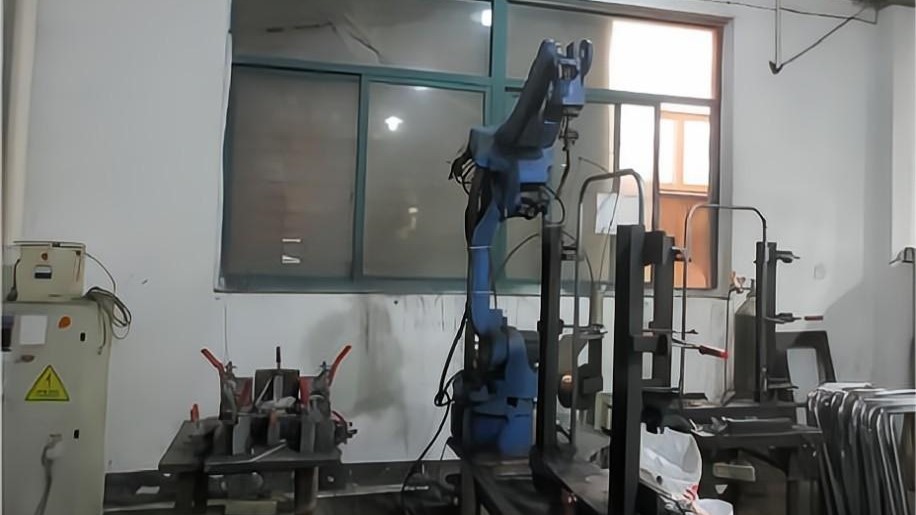
Commercial frames utilize high-tensile carbon steel or 6000-series aluminum alloy. Frame walls are calculated at a minimum thickness of 1.2mm to 2.0mm to prevent structural deflection. Automated robotic welding systems execute complete, multi-point joints, preventing structural fatigue at high-stress intersection points.
Rather than using standard cut-slab scrap foam, Hebei Zabs integrates custom molded high-resilience (HR) polyurethane foam. Formulated with a density rating of 50kg/m³ to 60kg/m³, our foam ensures shape retention and structural support over hundreds of thousands of compression cycles, avoiding sagging.
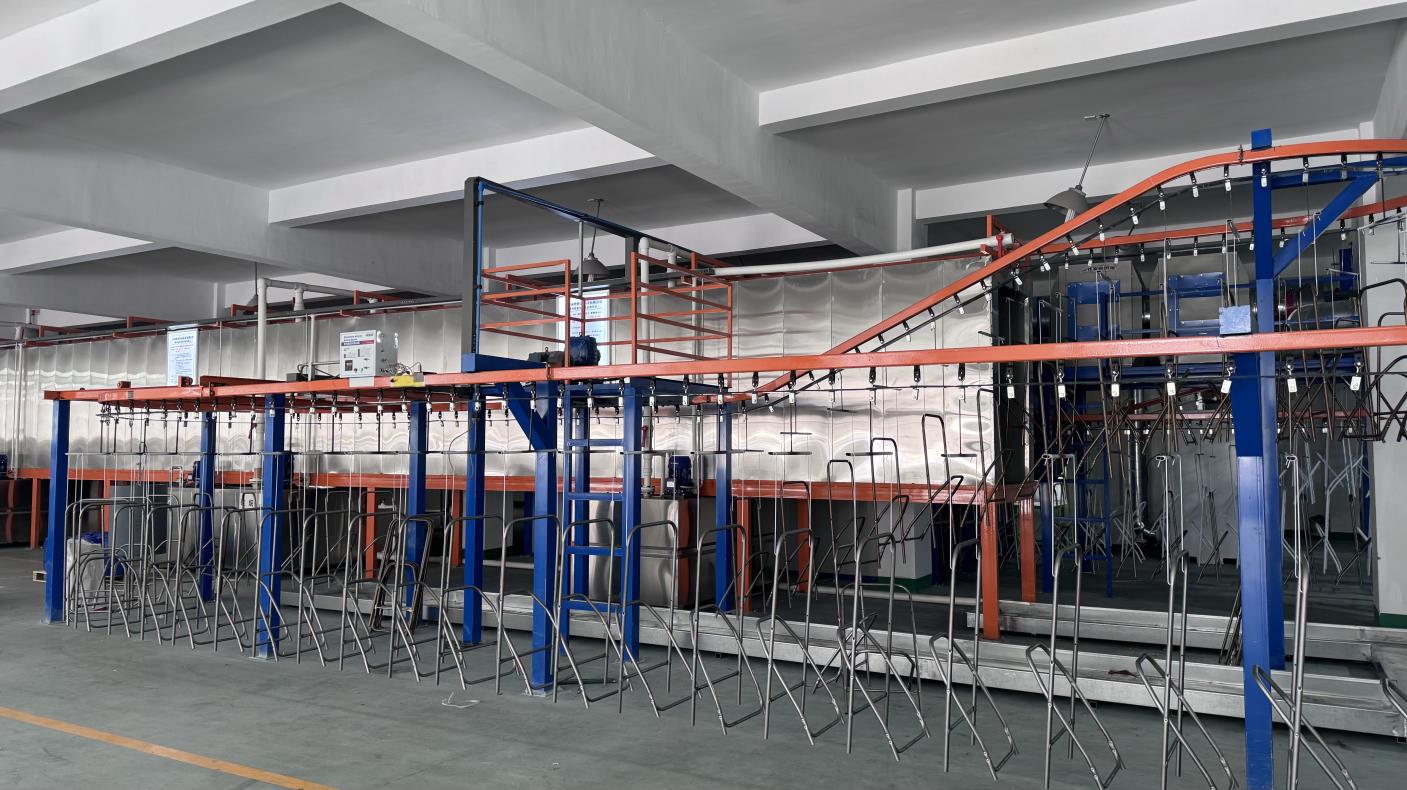
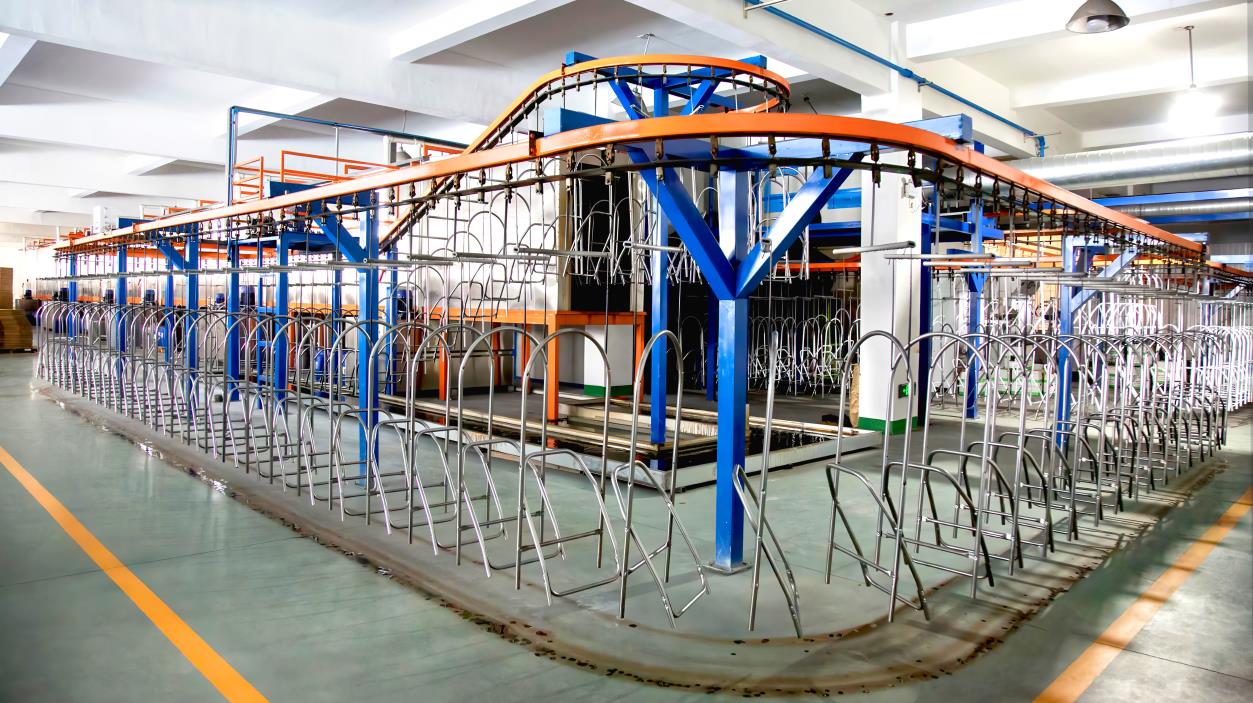
To protect metal frames from coastal humidity in Venice Beach or Santa Monica, frames undergo an electrostatic powder coating process. Multi-stage pre-treatments clean surface impurities, followed by application of polymer-epoxy powders cured at 200°C for a chemical bond that resists chipping, scratching, and oxidation.
| Frame Material Type | Tensile Strength & Gauge | Optimal Los Angeles Application | Key Regulatory Alignments | Average Lifespan |
|---|---|---|---|---|
| Heavy-Duty Carbon Steel | 1.5mm - 2.0mm thick, robot-welded | High-capacity indoor banquet halls, DTLA business hotels | ANSI/BIFMA X5.1, CAL 117-2013 | 8 - 10 Years |
| 6000-Series Structural Aluminum | 2.0mm thick, anti-oxidation treated | Coastal resorts (Santa Monica, Malibu), outdoor-indoor transitions | Corrosion Resistant Salt Spray tested | 10+ Years |
| Solid Ash & Beech Hardwoods | Kiln-dried 8% - 12% moisture control | High-end fine dining, West Hollywood boutique bistros | Lacey Act Compliant, Low-VOC finishes | 5 - 7 Years |
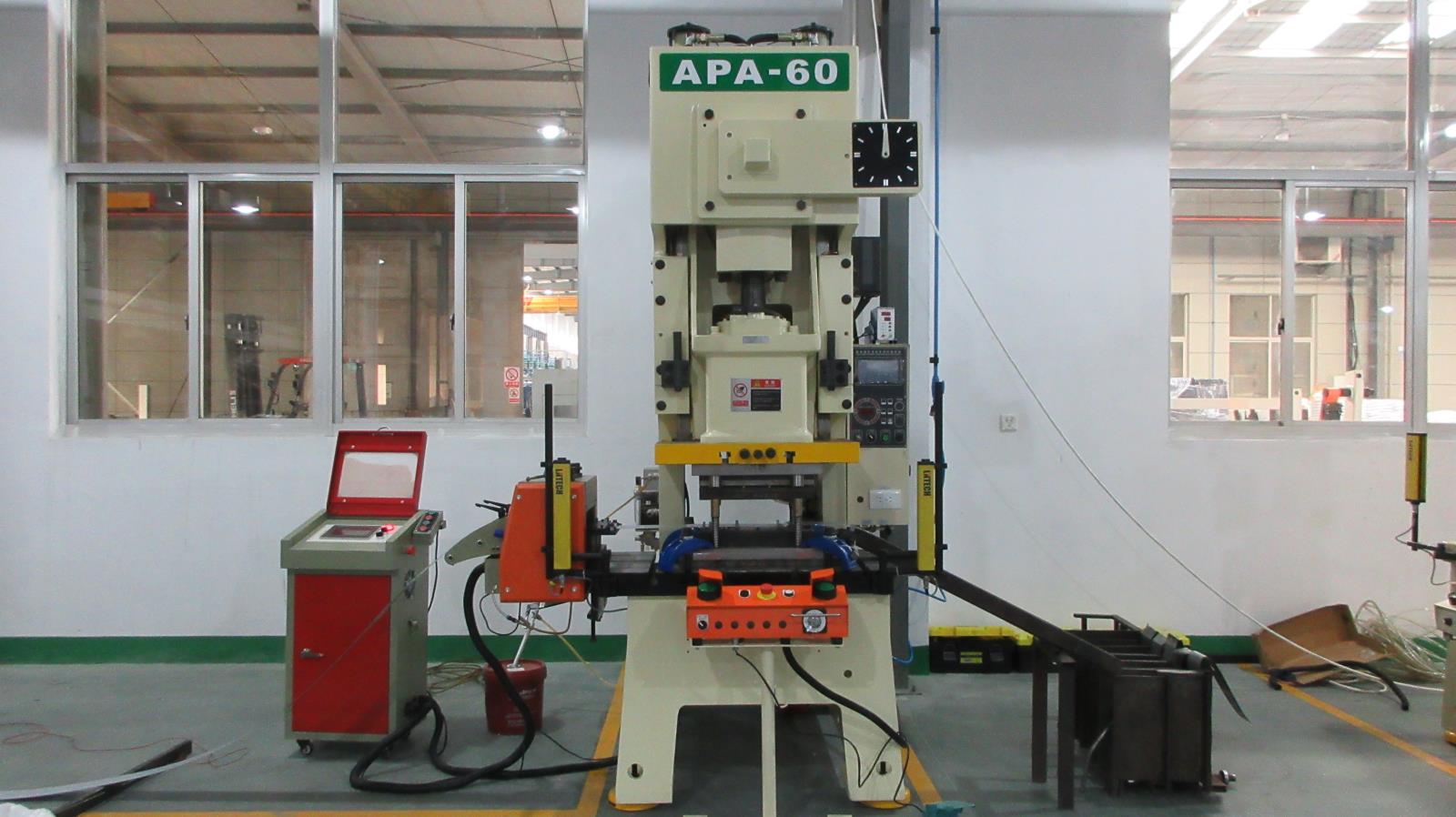
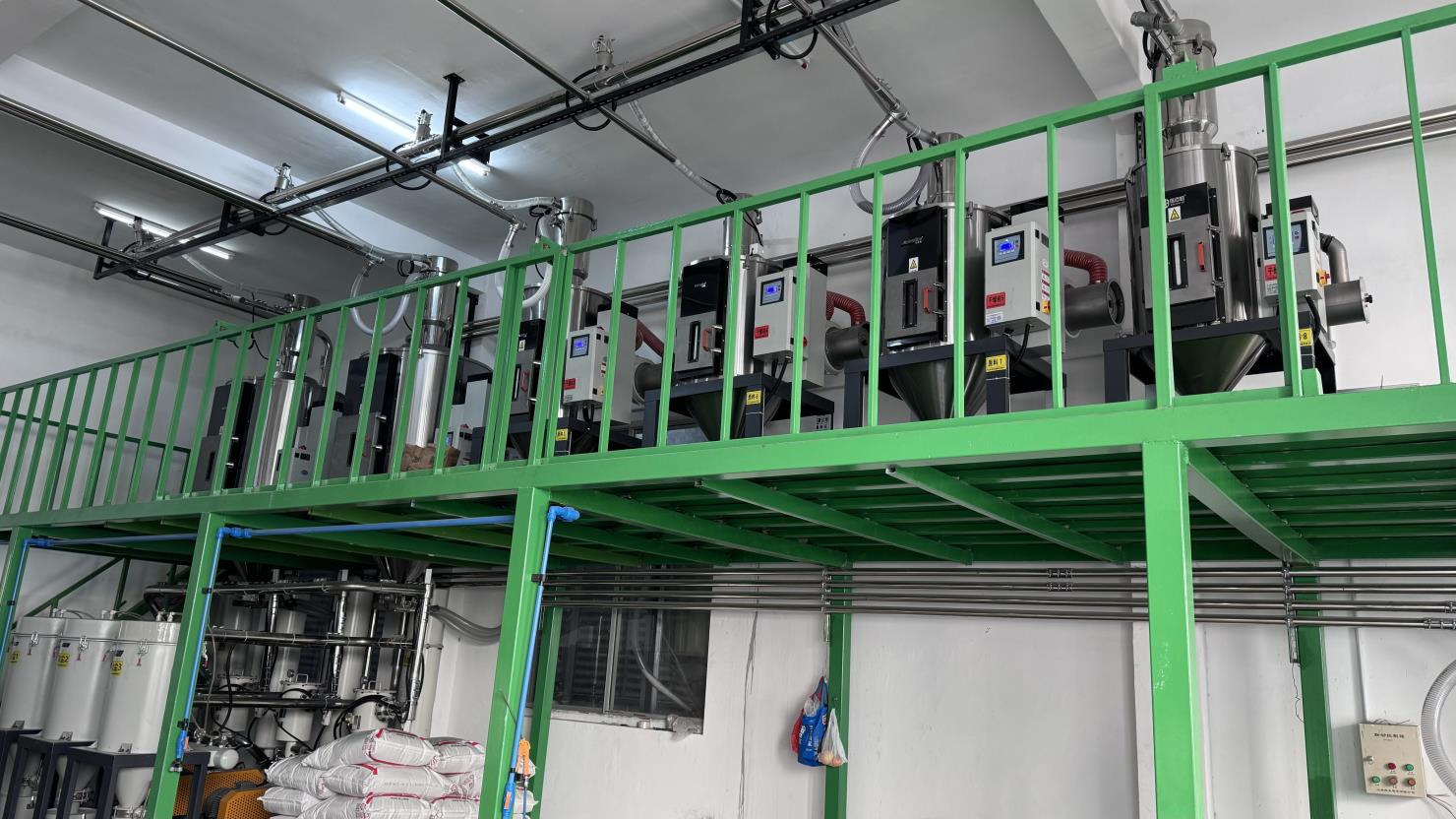
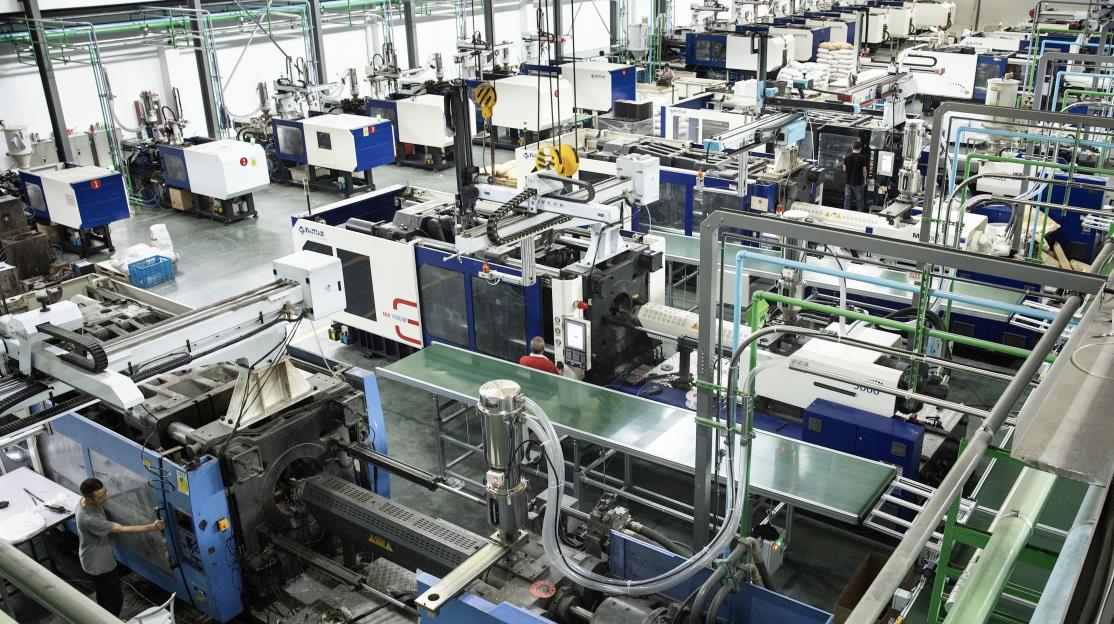
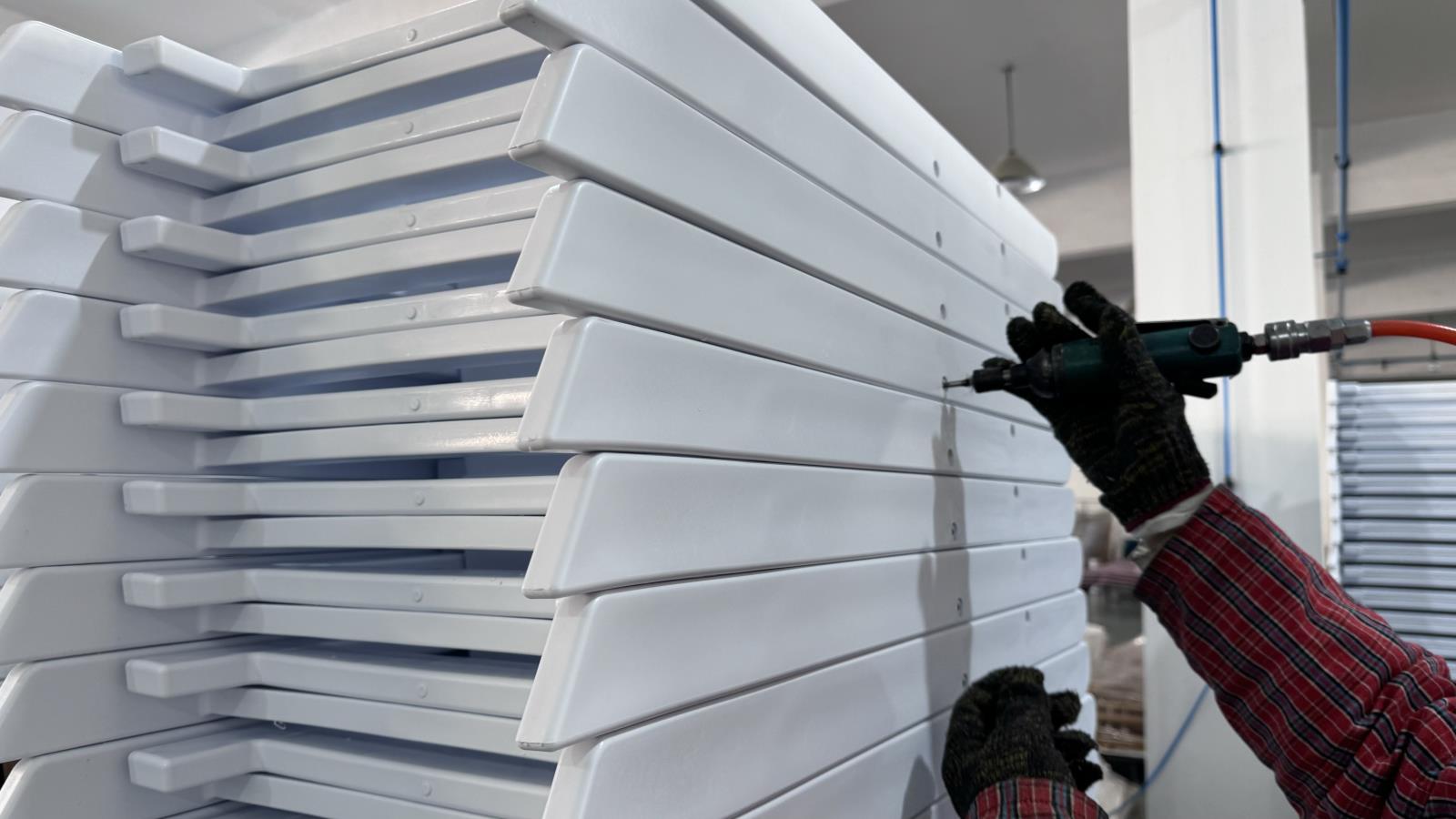
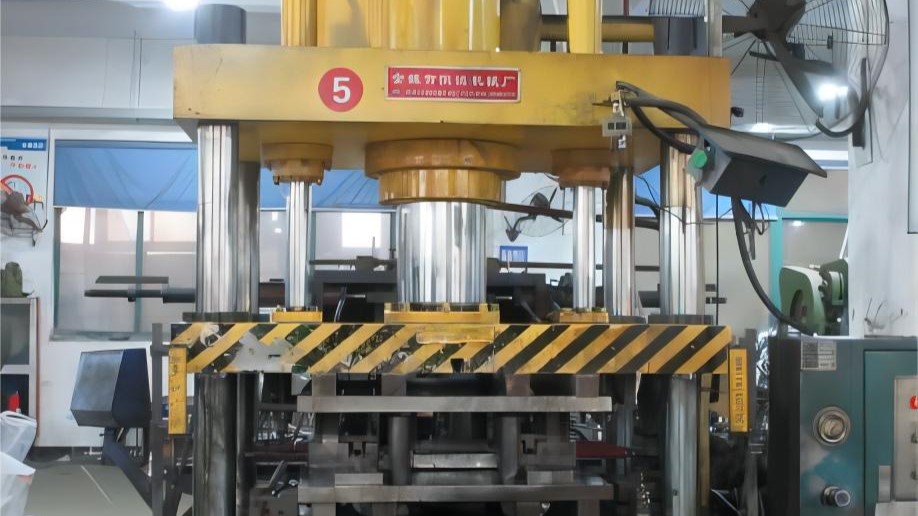
Our factory operates a production setup engineered to support high-volume export demand while maintaining strict tolerances. From raw metal profile processing to final packaging, each stage is monitored by our internal quality control team. Here is an overview of our main manufacturing workflows:
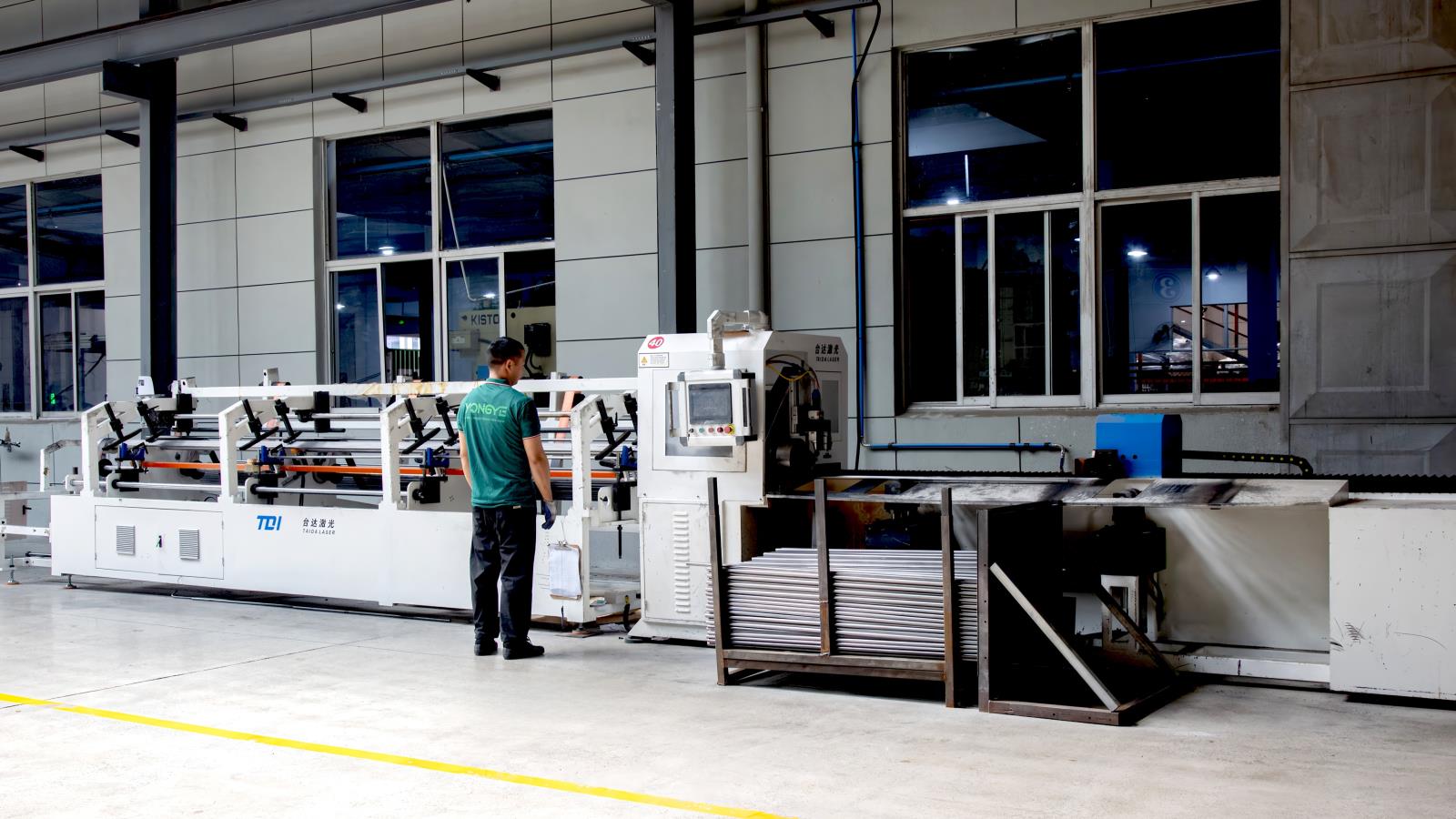
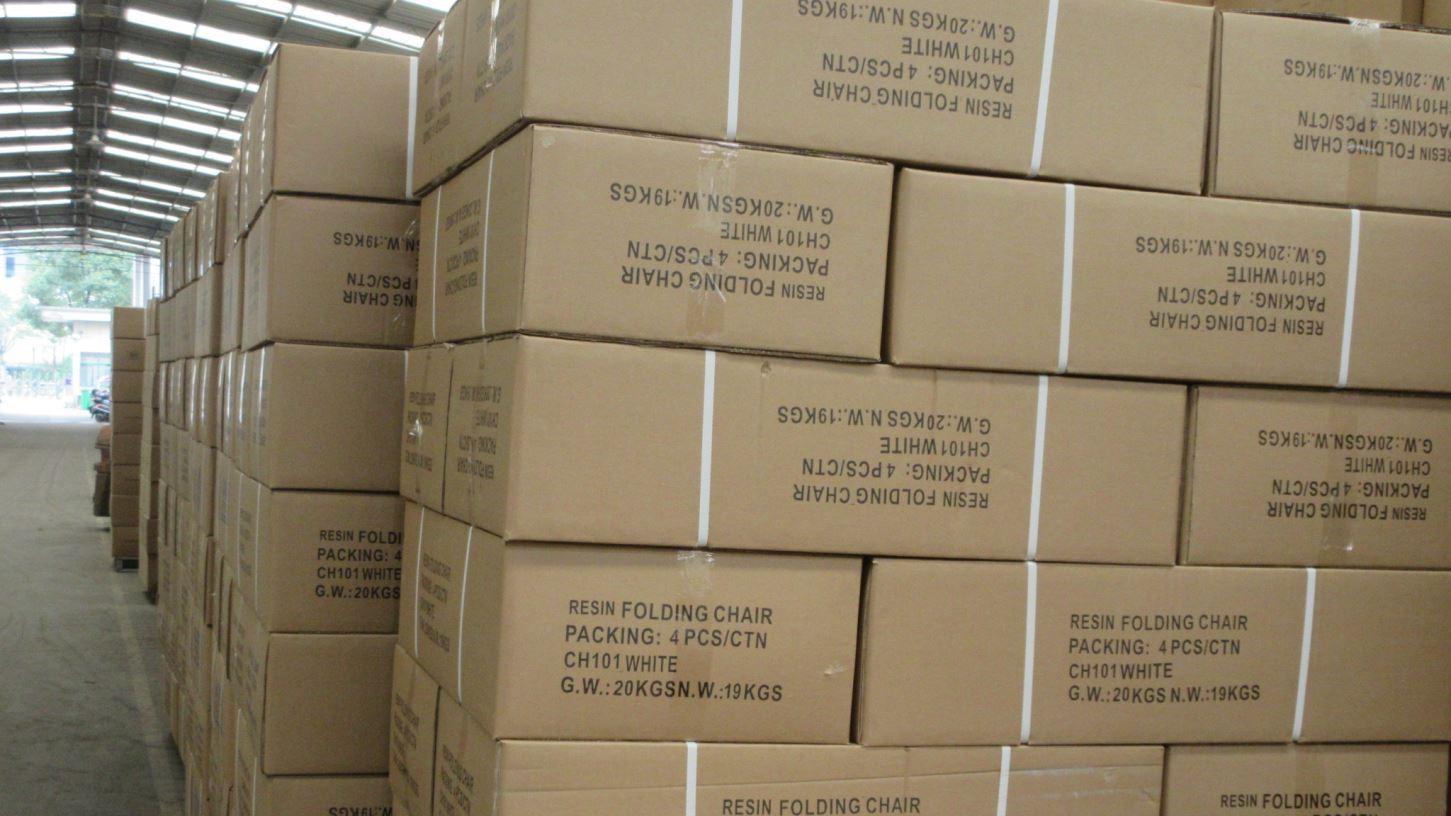
Importing large-scale commercial furniture shipments to North America requires careful logistics planning. Operating Hebei Zabs Furniture Co., Ltd. as a primary supplier offers significant logistical advantages. Our team manages container loading optimizations directly at our factory, reducing cubic waste and transit-damage risks.
We work with major logistics hubs in Hebei to ship through Tianjin Port, providing direct ocean routes to the Port of Los Angeles (POLA) and the Port of Long Beach (POLB). This direct connection ensures predictable transit schedules essential for complex hotel construction and renovation timelines.
We offer both Knocked-Down (KD) structures to maximize container volume and minimize shipping costs, as well as fully welded, pre-assembled structures designed to minimize on-site installation labor costs at the hotel property.
California commercial buildings enforce strict environmental and safety regulations. Our export lines can be customized to comply with these rules:
We provide 3D CAD and Revit files directly to design teams in Southern California, facilitating the integration of our seating systems into architectural floor plans.
Send us your design specifications, fabric samples, or conceptual drawings. Our engineering department can create custom molds and structural frames to meet your design requirements.
Submit Your RFQ & Spec SheetsSelect from our production range of stackable conference seating, boutique lounge configurations, and premium solid-wood dining chairs.
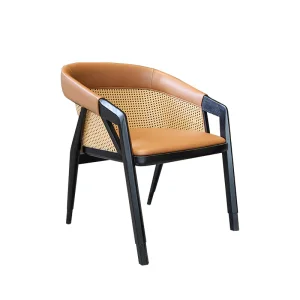
As part of our commitment to sustainability and aligning with the eco-conscious requirements of the California hospitality industry, Hebei Zabs Furniture is implementing green manufacturing improvements across our factories. Our environmental initiatives focus on two primary goals: reducing carbon footprint during production and designing products that support a circular economy.
We are transitioning our raw metal coating processes to focus on low-impact, solvent-free electrostatic powder coatings. This reduces hazardous chemical emissions, while water recycling systems help reduce water usage in our tube rinsing lines.
Our research and development team is refining our lightweight aluminum frame designs. By optimizing the internal tube profiles, we can reduce overall chair weight without sacrificing structural integrity. This lightweight design helps lower transport energy consumption and makes handling easier for event operations staff.
Additionally, we work closely with designers to select sustainable fabrics made from post-consumer recycled plastics, helping commercial properties meet environmental certification goals.
 Zabs Furniture