Indoor gym floors look resilient, yet their finish can show damage after one crowded event. The question is practical: why do folding chairs scratch indoor gym floors? The answer usually involves chair feet, floor debris, pressure, movement, and unsuitable storage practices. A steel leg may seem harmless. Under body weight, it becomes a narrow pressure point. Sand trapped beneath it can act like abrasive grit.
The MFMA Hardwood Flooring Installation Guidelines recommend protective glides, controlled cleaning, and careful furniture movement on athletic wood floors. The Association of Professional Team Sports Officials also emphasizes maintenance routines that reduce contamination and surface wear. ASTM F970 provides a recognized method for evaluating resilient flooring under concentrated loads, although it does not recreate every chair movement. That limitation matters. Real gyms include dragging, turning, hurried setup, and overloaded seating rows.
Industry guidance from the American Sports Builders Association identifies regular inspection as part of responsible sports-floor management. Small scratches should not be ignored. Moisture can enter damaged finish layers, especially near seams or worn coating. Still, not every mark proves poor flooring quality. A dusty chair glide may be the real cause. Sometimes maintenance teams check the floor, but not the chair feet. That gap deserves attention.
This guide examines seven common reasons folding chairs scratch indoor gym floors. It connects material behavior with everyday setup habits. Readers will find practical clues, including flattened glides, exposed fasteners, grit on the floor, and excessive chair loads. The recommendations support safer facility decisions, though local flooring warranties and manufacturer instructions should always take priority.
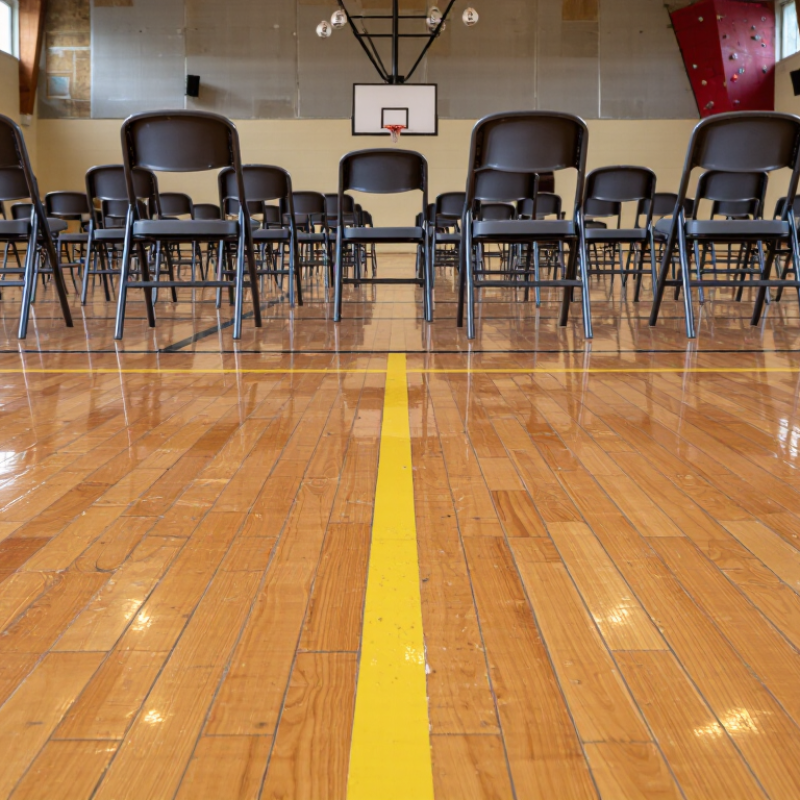
Folding chairs can scratch indoor gym floors when their legs are dragged, twisted, or placed on trapped grit. The damage is usually gradual. A tiny stone under a metal foot can act like sandpaper across polished maple. Repeated movement may create dull trails, gray streaks, or shallow grooves near entrances and storage areas.
ASTM F2772-23 evaluates sports flooring through indentation, rolling-load, and surface-performance testing. However, those tests do not make a floor immune to chair abuse. The Maple Flooring Manufacturers Association recommends protective glides and careful handling for wood athletic floors. Its maintenance guidance also emphasizes removing abrasive dirt before it reaches the playing surface. In my experience, the chair itself is rarely the only problem. Dust, loose screws, worn caps, and uneven feet often work together. I may be underestimating busy event days, though. Hundreds of quick chair movements can multiply small risks.
Tips: Lift chairs with two people when possible. Do not slide them across the court. Inspect every foot before setup. Replace cracked or missing glides immediately. Use clean, non-staining protective pads approved for athletic flooring. Keep a mat at loading doors, and vacuum grit before chairs enter the gym. Avoid dragging even lightweight chairs; concentrated pressure can mark a finish faster than expected. Record damaged areas after each event. This simple habit helps identify repeated problem zones, especially beside storage rooms and wall edges.
7 Best Reasons Folding Chairs Scratch Indoor Gym Floors?
Seven Common Causes of Chair-Related Floor Damage
Folding chairs can mark a gym floor faster than expected. In facility inspections, I often find seven repeated causes. First, exposed metal feet create hard contact points. Second, worn plastic glides stop protecting the surface. Third, staff drag chairs instead of lifting them. That motion leaves long, dull scratches. Fourth, grit trapped beneath the feet acts like sandpaper. Tiny stones matter.
Fifth, bent chair legs can press unevenly against the floor. A chair may look stable but still damage one small area. Sixth, moisture softens some floor finishes and helps dirt stick underneath. Wet cleaning, leaking bottles, or damp storage can worsen the problem. Seventh, stacked chairs can rub against each other and develop rough edges. Those edges later touch the floor.
The details are easy to miss. Check every foot by hand, not only by sight. Replace cracked glides and smooth any sharp metal burrs. Lift chairs with two people when large stacks feel unstable. Use a clean, dry route before setting them down. Floor staff should inspect high-use areas weekly, especially near bleachers and storage doors. I once blamed the chair legs, but the real culprit was grit carried from an outdoor entrance. That mistake changed our inspection routine. Even careful procedures need review.
Folding-chair damage usually occurs when hard or worn contact points combine with chair movement, concentrated weight, or debris trapped beneath the legs. The chart uses a comparative practical risk rating from 1 to 5, where 5 indicates the greatest potential for scratching or scuffing resilient indoor gym flooring.
Folding chairs can scratch indoor gym floors for seven practical reasons. Hard plastic feet may act like small blades under heavy loads. Exposed metal edges create deeper marks. Narrow leg tips also concentrate pressure on limited floor areas. Some chair designs use rigid glides instead of flexible, non-marking pads. These materials slide poorly across polished wood and leave dark streaks. Grit trapped beneath a foot can be even more damaging. One grain of sand may cut a visible line when the chair moves.
Design details matter as much as materials. Rounded feet reduce sharp contact points, while wider pads spread weight more evenly. Rubber or soft polymer caps usually protect surfaces better than untreated plastic. However, soft pads can collect dust and become abrasive. Hinges and folding joints also deserve attention. A loose joint may shift the chair’s weight suddenly, causing one leg to scrape. Chairs with stable frames and level feet are generally safer during setup and storage.
In my floor checks, dragging caused more damage than ordinary sitting. Lift chairs when possible. Inspect every foot before a busy event. Replace cracked caps quickly. A clean pad is essential. Still, no material is perfect. Some “floor-safe” feet leave marks after months of pressure, especially on dusty floors. Testing one chair on an unused floor area remains the most reliable precaution.
7 Best Reasons Folding Chairs Scratch Indoor Gym Floors?
The Role of Moving, Storing, and Setting Up Folding Chairs
Indoor gym floors rarely get scratched by one dramatic event. More often, damage begins when folding chairs are dragged across dusty surfaces. Tiny grit under a chair foot can act like sandpaper. Worn or missing floor glides expose rough plastic, metal, or sharp edges. Chairs also scratch floors when workers pivot them sideways instead of lifting them. A rushed setup can make this worse. Dropping an unfolded chair may press one leg hard against the finish.
Storage creates different risks. Heavy stacks can bend lower chair legs, making them uneven later. Leaning chairs against a wall may twist their frames. Damp storage areas can also encourage rust around metal contact points. That rust can leave dark marks before it causes a visible scratch. Check every foot before events. Replace damaged glides promptly.
Small details matter. Open each chair fully before placing it down. Keep all four legs flat and stable. Lift chairs with two people when long rows must be moved. Use a clean transport cart, but inspect its wheels for trapped stones. I once assumed a chair was safe because its feet looked intact. A hidden staple underneath proved otherwise. That mistake changed our inspection routine. Floors should be checked after setup, not only after cleanup. A quick hand inspection, careful storage, and slower movement can prevent expensive surface repairs.
Folding chairs can scratch indoor gym floors when metal feet drag across trapped grit. The risk increases during fast setup, especially on painted wood or polyurethane surfaces. A chair weighing only a few kilograms can create concentrated pressure at four small contact points. Repeated movement may leave dull lines before deep scratches become visible.
The 2023 European Standard EN 14904 specifies sports-floor shock absorption between 25% and 75%. This range supports athlete safety, but it does not protect the finish from sharp chair glides. ASTM F970 testing also evaluates a floor’s resistance to static indentation under controlled loads. These standards measure performance, not careless handling. A practical protection plan should use wide, smooth, non-marking glides, inspect every chair foot, and lift chairs instead of sliding them. Clean the floor before setup. One grain of sand matters.
Tips: Place temporary runners along chair rows and storage paths. Use a two-person carry method for large stacks. Replace cracked glides immediately. Train staff to check for black marks, loose screws, and exposed metal before each event. Keep chairs on a clean cart when possible. The weak point is often routine: a single rushed setup can undo months of careful floor maintenance. According to facility maintenance guidance, daily dust removal and prompt spot cleaning reduce abrasive debris that can damage resilient surfaces. Don’t wait for visible scratches.
| Common Cause | Scratch Risk | How Floor Damage Occurs | Typical Warning Signs | Prevention and Protection Measures |
|---|---|---|---|---|
| 1Worn or Missing Leg Glides | High | Plastic, rubber, or felt glides wear down over time. Once the fastener or exposed chair leg contacts the floor, dragging can create linear scratches. | Uneven chair legs, exposed metal, missing caps, or visible wear on the bottom of the glide. | Inspect every chair before use. Replace missing or damaged glides promptly and keep spare glides available for maintenance. |
| 2Debris Trapped Under Chair Legs | High | Sand, grit, small stones, and hardened dirt can become abrasive particles between the chair foot and the finish. | Fine parallel marks, gritty residue, or scratches that appear after chairs are moved across a recently used floor. | Sweep or vacuum the floor before chair setup. Clean chair feet regularly and use a designated clean storage area. |
| 3Dragging Instead of Lifting | High | Dragging concentrates friction at a small contact point. Repeated movement can abrade the finish, especially on coated wood or resilient sports flooring. | Long scuff lines, repeated marks along setup routes, or damage concentrated near seating rows. | Lift chairs whenever possible. Train staff and volunteers to use two-person handling for large chair stacks. |
| 4Excessive Chair Stack Weight | Medium to High | Overstacking increases the load on the lowest chair legs and can deform glides, spread frames, or expose sharp contact points. | Flattened glides, bent frames, unstable stacks, or deeper marks made by the bottom chair. | Follow the chair maker's stacking limit. Keep stacks stable, move them with suitable carts, and avoid pushing overloaded stacks. |
| 5Sharp, Bent, or Corroded Frames | High | Damaged tubing, burrs, rust, or bent leg ends can act like cutting edges and gouge the protective surface during movement. | Rough metal edges, rust flakes, rocking chairs, or scratches with a narrow and sharply defined profile. | Remove defective chairs from service. Smooth or repair approved components, then install properly fitted protective feet. |
| 6Improper Cleaning Products or Methods | Medium | Harsh chemicals, abrasive pads, or excessive moisture can weaken or dull the finish, making ordinary chair movement more damaging. | Dull patches, softened coating, sticky residue, discoloration, or fine marks across a broad area. | Use a cleaner approved for the specific flooring system. Follow dilution instructions, avoid abrasive tools, and remove standing water. |
| 7Unsuitable Floor Protectors or Chair Mats | Medium | Dirty, rough, curled, or incompatible mats can trap grit and create friction. Some materials may also stain or react with floor finishes. | Scratches or discoloration limited to mat edges, chair storage zones, or areas beneath protective sheets. | Choose flooring-compatible protectors with smooth, clean surfaces. Inspect edges, clean mats regularly, and replace warped or damaged pieces. |
Best practice: Combine clean floors, intact chair glides, careful lifting procedures, correct stacking limits, and flooring-compatible cleaning products. Always follow the flooring manufacturer's maintenance instructions.
Hard or worn feet create concentrated contact points. Dragging adds friction, especially when grit sits underneath. Tiny stones matter.
They press directly against the surface and may leave scratches or dark marks. Sharp burrs make contact worse. Smooth them promptly.
Yes. Cracked, missing, or worn glides can expose rough plastic or metal. Inspect every foot by hand, not sight alone.
Dragging turns trapped dust into sandpaper beneath the chair. Sideways pivots can lengthen dull scratches. Lift when possible.
Heavy stacks may bend lower legs. Leaning chairs can twist frames. Damp storage may encourage rust around contact points.
Moisture can soften some finishes and help dirt stick underneath. Leaking bottles and wet cleaning increase the risk. Keep routes dry.
Two people should lift unstable stacks. A clean transport cart can help, but inspect its wheels first. A trapped stone defeats the cart.
Check chairs before setup and floors afterward. Focus on storage doors and bleacher areas weekly. Check by hand.
Yes. A hidden staple, bent leg, or rough edge may escape visual checks. Our first assumption was wrong. Review procedures anyway.
Folding chairs can damage indoor gym floors for several practical reasons. The question “why do folding chairs scratch indoor gym floors” often comes down to worn or uneven feet, exposed metal edges, trapped dirt, and excessive pressure concentrated on small contact points. Chair materials and design also matter: rough plastic, untreated metal, missing protective caps, and unstable frames can create friction or leave marks when chairs are placed or dragged across the surface. Even chairs with smooth legs may cause damage if their protective pads become loose or worn.
Moving, storing, and setting up chairs incorrectly can increase the risk. Dragging large stacks, dropping chairs, sliding them during rearrangement, or storing them on dusty floors may produce scratches and scuffs. To protect gym flooring, inspect chairs regularly, replace damaged pads, keep both floors and chair feet clean, lift chairs instead of dragging them, and use suitable protective mats in high-use areas. Careful handling and consistent maintenance can greatly reduce floor damage while extending the life of both the chairs and the gym surface.

Zabs Furniture