China Best Commercial Event Chairs Fire Safety Rules?

Time:2026-11-03 Author:Isabella
0%

Choosing commercial event chairs in China involves more than comparing prices, colors, and delivery dates. Fire safety depends on the chair’s materials, construction, intended setting, and the rules that apply where it will be used. A chair suitable for a hotel conference room may not meet the requirements of a crowded exhibition hall. Details matter.

So, what are the fire safety regulations for commercial event chairs? There is no single answer for every venue or country. Buyers should confirm applicable local building and fire codes with the venue, a qualified safety professional, or the relevant authority. They should also ask suppliers for clear product specifications and any available fire-test reports or certificates, checking that documents match the exact model and material being purchased. Vague claims such as “fire resistant” are not enough on their own.

Look closely at upholstery, foam, coatings, and how components are assembled. Request written information before placing a bulk order. Then inspect delivered chairs for fabric changes, damaged parts, or substitutions that were never approved. A showroom sample can look reassuring; it does not prove every production batch is identical. That point is easy to miss.

This outline explores practical questions for sourcing and using commercial event chairs, including documentation, venue checks, and ongoing inspection. It cannot replace local professional advice, and requirements may change. Even careful buyers can overlook a detail, so verify rather than assume.
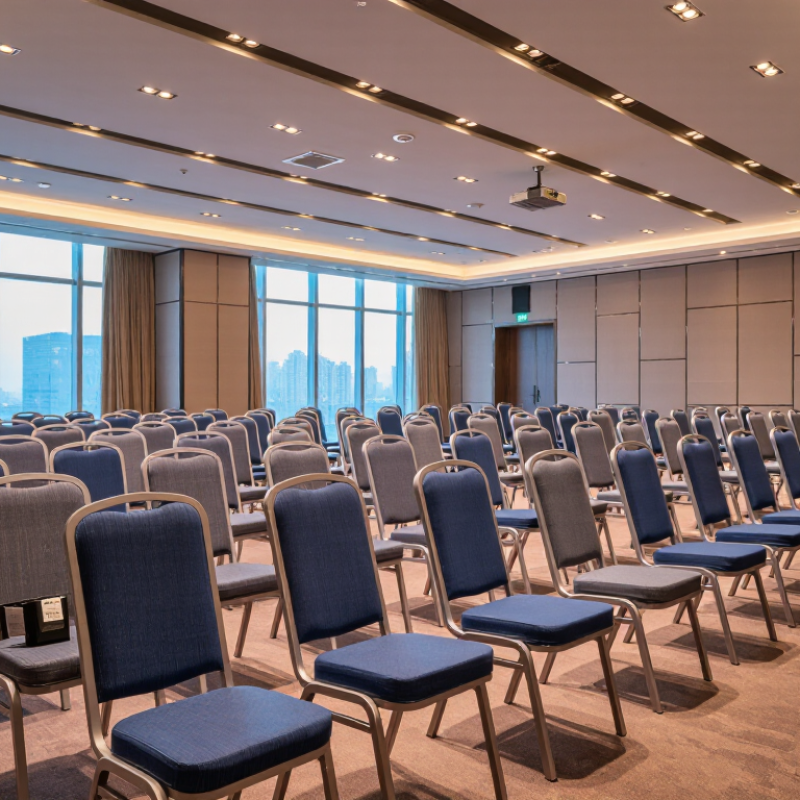
China Best Commercial Event Chairs Fire Safety Rules?

Fire Safety Standards for Commercial Event Chairs in China

Fire Safety Standards for Commercial Event Chairs in China

Commercial event chairs used in China should be assessed against applicable national requirements, local rules, and the venue’s own fire-safety plan. Requirements can vary by building type and event use, so buyers should confirm details with the venue or a qualified safety professional. Do not assume one test report covers every chair configuration. Small details matter.

Ask suppliers for current test documentation covering the actual upholstery, foam, and other combustible components—not merely a similar-looking sample. Check that model details match the delivered chairs, and keep invoices, labels, and reports together. A neat certificate is not the whole story; sometimes paperwork looks complete while the fabric or filling has changed. Keep records.

Before an event, inspect chairs for torn covers, exposed foam, or unapproved repairs. Damaged materials may behave differently in a fire. Keep chairs clear of exits, extinguishers, and marked escape routes, following the venue’s layout and occupancy instructions. Fire-retardant does not mean fireproof. Staff should know who checks the seating and how concerns are reported. Even careful checks have limits, so unclear documentation deserves follow-up rather than guesswork.

China Fire-Safety Standards Relevant to Commercial Event Chairs

The chart shows the edition years of selected Chinese standards that may be relevant to chair materials or upholstered-furniture ignition testing. Edition year alone does not establish that a chair complies: applicability depends on the product, its intended use, and relevant local requirements. Check current requirements and test documentation before specifying or purchasing chairs.

Standards shown: GB 8624-2012 (classification of burning behavior of building materials and products); GB 20286-2006 (fire-retardant products and components for public places); GB 17927.1-2011 (upholstered-furniture ignition resistance: smouldering cigarette); GB 17927.2-2011 (upholstered-furniture ignition resistance: match-flame equivalent).

Flammability Requirements for Chair Materials and Upholstery

Commercial event chairs combine several materials, and each can affect fire performance. Upholstery fabric, foam, lining, adhesives, and the chair frame should be considered together. A fabric swatch may pass a test while the finished seat behaves differently. Small details matter.

Flammability requirements vary by location, building use, and event setting. Confirm the applicable test method with the venue or local fire-safety authority before ordering chairs. Ask suppliers for current test reports that identify the tested materials and assembly, not just a general product sheet. Paperwork matters too. Keep reports and material specifications with purchasing records, so staff can verify what was supplied.

Inspect seams, underside panels, and replacement cushions; substitutions can change the tested construction. Cleaning products and wear may also affect upholstery over time, so follow care guidance and check chairs regularly. It is tempting to treat a flame-retardant label as a complete answer. It is not. Test evidence, clear documentation, and consistent maintenance provide a more dependable basis for choosing commercial event seating.

Testing Methods and Certification for Fire-Resistant Chairs

Fire-resistant chair claims should be checked against test evidence, not appearance. A chair is a layered assembly: fabric, foam, lining, and frame can react differently to heat. One weak seam may affect how flames spread. Small details matter.

Testing methods depend on the intended market and applicable standards. Laboratories may expose upholstery to a smoldering cigarette, a small flame, or another controlled ignition source. They record ignition, flame spread, afterglow, and damage under defined conditions. Some tests assess individual materials; others examine a complete chair assembly. The distinction matters. A fabric result alone does not prove that the finished chair has passed every relevant test.

Certification documents should identify the tested model, materials, test method, and report date. Buyers can check whether the certificate covers the exact upholstery and foam supplied, and whether production changes require retesting. Independent laboratory reports can help verify claims. Still, a test cannot reproduce every crowded venue or maintenance mistake. That limitation deserves attention. Ask for clear records, inspect labels and construction, and confirm requirements with the relevant local authority before placing chairs in service.

China Commercial Event Chairs: Fire Safety Rules, Testing Methods and Certification
Topic or Reference What It Covers Typical Test or Assessment What Buyers Should Verify Important Limitation
China public-place fire-retardancy requirements
GB 20286-2006
Requirements and marking for the burning behaviour of fire-retardant products and components used in public places. Assessment depends on the product category and applicable provisions of the standard. Confirm the required test items and classification with the testing body or the authority responsible for the venue. Request the complete test report, the tested product description, the applicable classification and evidence that the supplied chair matches the tested construction. This is not a blanket “fireproof chair” certificate. Confirm that the standard and its current status apply to the specific project and product.
China building-material fire classification
GB 8624
Classification of the reaction-to-fire performance of building materials and products. Classification is based on the tests and criteria specified for the relevant material or product category. Check which individual materials were tested and whether the classification is relevant to the intended use. A classification for a fabric, foam or other building product does not, by itself, establish the fire performance of a complete upholstered chair.
China upholstered-furniture ignition standards
GB 17927 series
Standards in this series address ignition resistance for specified upholstered-furniture products and test conditions. Depending on the applicable part and product scope, assessment may use a smouldering-cigarette or small-flame ignition source. Ask the laboratory to identify the exact part, edition, product scope and test method used. Confirm explicitly whether the tested product category covers the chair being purchased. Do not assume that a report for a mattress or upholstered bed base applies to an event chair; scope must be checked against the standard.
Upholstered seating ignition assessment
EN 1021-1 and EN 1021-2
European test methods for assessing the ignition behaviour of upholstered seating composites. Part 1 uses a smouldering-cigarette ignition source; Part 2 uses a match-flame-equivalent ignition source. Check that the report identifies the tested fabric, filling, interliner (if used), seams and other relevant parts of the upholstery composite. These are test methods, not automatic proof of compliance with every local law or venue requirement.
Upholstered-furniture fire testing
BS 5852
A British test method for assessing the ignitability of upholstered seating, using specified ignition sources. Tests may use different ignition sources, from a smouldering cigarette to specified flaming sources. The required source depends on the applicable specification. Confirm the exact ignition source, specimen construction, conditioning and reported result; “tested to BS 5852” alone is not enough detail. A result for one ignition source does not establish performance against every source or in a fully developed room fire.
Component or fabric test report Performance evidence for a particular upholstery fabric, foam, interliner or other component. The laboratory tests the submitted material under the named method and conditions. Match the tested material’s composition, weight, colour or finish, thickness, supplier specification and production version to the chair delivered. Component results do not automatically predict the performance of the finished chair; combinations of materials can behave differently.
Finished-chair or representative-composite test Evidence relating to the assembled upholstery construction or a representative specimen made with the specified components. A qualified laboratory prepares and tests specimens according to the selected standard and its sampling rules. Check the report’s specimen details, construction, test date, laboratory identity, method, results and any stated deviations. A test report applies only to the construction and conditions it describes; changes to fabric, foam, seams or interliner may require review or retesting.
Certification and compliance documents Documents supporting a buyer’s assessment of applicable product and venue requirements. May include laboratory reports, declarations, product specifications and project-specific compliance records. Verify the issuing body, report number, standard and edition, product identification, scope, results and traceability to delivered goods. Ask the venue or local authority what evidence it accepts. A laboratory test report, a voluntary certificate and a legally required approval are different documents. Do not treat one as a substitute for another without confirmation.
Practical procurement checklist Controls that help keep the ordered chairs consistent with the tested construction. Review material schedules, supplier declarations, production controls and any change-control records. Specify the upholstery, foam, interliner and chair model; require prior approval for substitutions; retain reports and purchase records; inspect delivered products against the specification. “Fire-resistant” or “flame-retardant” wording alone does not state a test method, result, product scope or level of protection.

How to Select Compliant Chairs for Commercial Events

When choosing chairs for a commercial event, check the fire-safety requirements set by the venue and local authority. Rules can differ by location and event type. Ask suppliers for test reports or certificates that identify the chair materials and the relevant testing standard. A vague “fire-retardant” claim is not enough. The upholstery, foam, and any removable covers may need separate consideration.

Keep the paperwork. Match product documents to the exact chair model and fabric, then confirm the venue accepts them before ordering. Check that labels remain readable and chairs show no torn upholstery, exposed foam, or unapproved repairs. Small details matter. A chair that passed testing may not remain compliant after alterations. Also assess stability, clear aisle widths, and safe placement near exits. These practical checks support fire safety without creating crowded escape routes. Some documents may still leave questions; ask for clarification rather than guessing. A brief review with the venue’s safety contact can prevent costly last-minute substitutions.

Fire Safety Checks, Placement, and Maintenance in Event Venues

China Best Commercial Event Chairs: Fire Safety Rules
Fire Safety Checks, Placement, and Maintenance in Event Venues

Fire safety starts with the room layout, not the chair catalogue. Keep aisles, exit doors, fire equipment, and access routes visible and unobstructed. A chair can look harmless. Yet crowded rows can slow evacuation, especially when bags or spare seats narrow the route. Check the venue’s approved floor plan before setup, then walk the room from several points of view. Local requirements differ, so confirm clearances with the venue’s fire-safety lead rather than relying on a universal spacing rule. NFPA’s report Fire Loss in the United States During 2023 estimated 1.39 million fires nationwide. That figure covers many settings, but it underlines why routine checks matter.

Before guests arrive, inspect chairs for torn upholstery, exposed foam, loose joints, or repairs using unsuitable materials. Confirm that supplied fire-performance documentation matches the venue’s requirements; appearance alone proves little. Keep chairs away from heat sources and temporary electrical equipment, and never store unused chairs in exit corridors. After events, clean spills promptly and record damage, repairs, and inspection dates. Small defects are easy to overlook during a fast room reset. That is a real weakness in many checklists: they record completion, but not what was actually examined. A short, itemized log makes follow-up clearer and helps staff spot recurring problems.

FAQS

What should buyers check before purchasing commercial event chairs in China?

Confirm requirements with the venue or a qualified safety professional. Rules may vary by building and event use.

What should a chair’s fire-test documents cover?

Reports should identify the actual upholstery, foam, lining, adhesives, and tested assembly. Keep them with invoices and material specifications.

Is a fire-retardant label enough to confirm safety?

No. A label alone does not show whether the delivered chair matches the tested sample.

Why do chair materials need to be considered together?

Fabric, foam, lining, and adhesives can affect fire performance as one assembly. A fabric swatch may behave differently from a finished seat.

What should staff inspect before guests arrive?

Look for torn covers, exposed foam, loose joints, and unsuitable repairs. Small defects can be easy to miss.

How should chairs be placed in an event room?

Follow the venue’s approved floor plan. Keep exits, aisles, fire equipment, and access routes clear.

How should staff handle damaged chairs and maintenance records?

Record inspection dates, damage, and repairs. Clean spills promptly and follow the chair’s care guidance.

What if a test report or chair detail is unclear?

Ask the supplier or venue for clarification instead of guessing. A completed checklist can still miss what was actually examined.

Conclusion

This article explains what are the fire safety regulations for commercial event chairs and why fire resistance should be considered when planning a venue. It outlines how the materials used in chair frames, cushions, and upholstery can affect fire performance, and why buyers should review relevant test results and certification documents rather than relying on appearance or supplier claims alone. Testing and documentation help event organizers assess whether chairs are suitable for their intended indoor or outdoor use.

The guide also offers practical steps for selecting compliant chairs, including checking product specifications and confirming that records are current and verifiable. Fire safety depends on more than the chair itself: venues should keep seating arrangements clear of exits and other safety equipment, avoid overcrowding, and inspect chairs regularly for damaged coverings or alterations that could affect their performance. Careful selection, sensible placement, and routine maintenance together support safer commercial events.

Isabella

Isabella

Isabella is a dedicated marketing professional with a sharp focus on driving brand growth and engagement through strategic content creation. With an extensive background in digital marketing, she combines her passion for storytelling with her keen understanding of industry trends to deliver......