Selecting the right fabric for church seating is crucial. The choices made can significantly affect comfort and aesthetics. A well-chosen fabric enhances the worship experience for congregants. However, many might ask, "what is the best fabric material for high use church seating?"
It's essential to consider durability. Churches often host multiple services and events weekly. This frequent use requires fabrics that can withstand wear and tear. A robust and resilient fabric can offer long-term benefits. Additionally, the fabric’s appearance impacts the overall atmosphere of a church. First impressions matter, and the right texture and color can create a welcoming environment.
Sustainability is another important factor to reflect on. Choosing eco-friendly materials can align with a church's values. Yet, balancing sustainability with practicality presents a challenge. High-quality fabrics may be required to ensure longevity. Ultimately, selecting the best fabric is a nuanced decision that involves careful consideration of various factors.
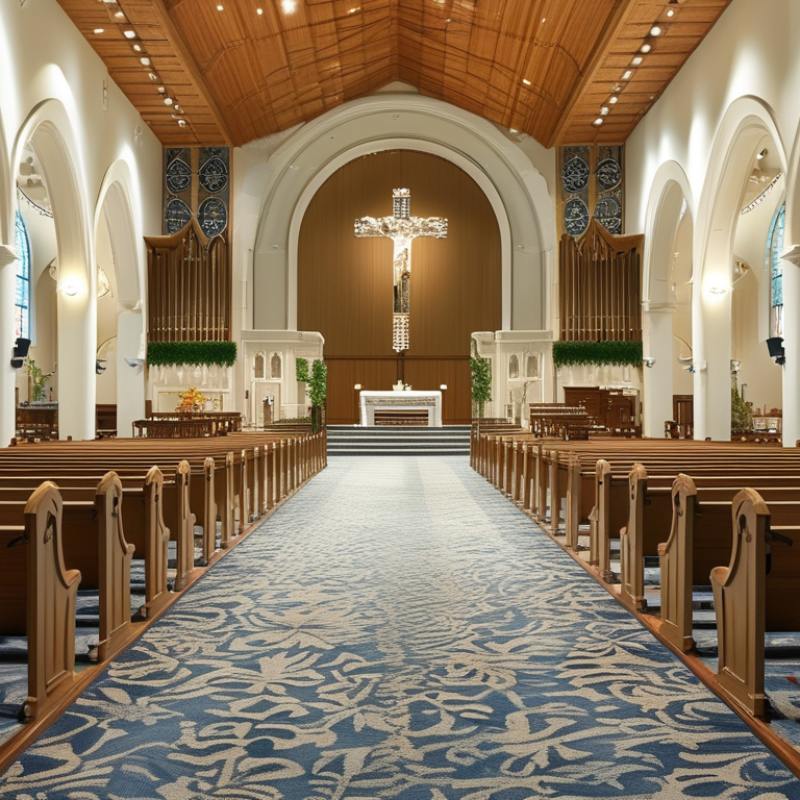
Choosing the right fabric for church seating involves understanding the unique requirements of the space. Churches serve multiple purposes, from services to community events. Therefore, the seating must be comfortable and durable. It's essential to consider the frequency of use. High-traffic areas need fabrics that can withstand wear and tear.
Tip: Look for materials that offer stain resistance. This feature is vital, especially for churches with a busy schedule. Many families attend services with young children, meaning spills are common. Selecting an easy-to-clean fabric can save time and maintenance costs.
Another aspect to consider is the climate of the church location. For warmer areas, breathable materials provide comfort during long services. Cooler locations may benefit from fabrics that offer better insulation. Analyze the seating arrangement and the church's aesthetic as well. The fabric's color and texture can greatly influence the overall ambiance.
Tip: Test different fabrics before making a decision. It’s helpful to gather feedback from various church members. Their opinions can reveal practical concerns that you might not have considered. Prioritize comfort and functionality while ensuring the fabric complements the church’s design.
When selecting fabric for church seating, durability and comfort are paramount. Different fabric types offer varying resilience against wear and tear. According to industry reports, polyester blends are popular due to their strength. They can withstand heavy use while providing a soft touch for congregants. Cotton fabrics, while comfortable, may lack the durability needed for high-traffic areas.
Choosing the right fabric requires understanding the specific needs of your church. Factors like climate and cleaning frequency play crucial roles. Stain-resistant options can save time and effort in maintenance. Research by the American Institute for Textile Technology suggests that fabrics with a higher rub count have better durability. This means they are less likely to show wear over time and maintain their appearance longer.
Tips: Consider using a combination of fabrics. This can offer both aesthetic appeal and functional durability.
Also, evaluate the necessary fire ratings. In many regions, building codes require specific ratings for seating fabrics. Ignoring these could result in safety risks.
Ultimately, thoughtful fabric selection enhances not only the church's visual appeal but also the comfort of its community members.
| Fabric Type | Durability (Years) | Comfort Level | Stain Resistance | Maintenance Level |
|---|---|---|---|---|
| upholstery Fabric | 5-10 years | High | Good | Moderate |
| Microfiber | 10-15 years | Very High | Excellent | Low |
| Polyester | 5-7 years | Moderate | Good | Moderate |
| Velvet | 3-5 years | High | Low | High |
| Leather | 15-20 years | Very High | Moderate | Low |
Choosing the right fabric for church seating is crucial. The aesthetic appeal impacts the overall atmosphere. The fabric should complement the church’s architecture and decor. Rich colors and textures can convey warmth and welcome.
Tips for selecting fabrics include considering durability. Look for materials that withstand heavy use. Fabrics should resist staining and fading over time. Also, think about maintenance. Some fabrics require more care than others. Easy-to-clean options can save time and effort.
Texture plays a significant role in aesthetics. Soft, inviting fabrics create a serene environment. On the other hand, overly flashy patterns can distract visitors. Balance is key. A fabric should feel comfortable while still fitting the church's identity. When in doubt, seek opinions from the congregation. Their input can provide valuable insights.
Choosing the right fabric for church seating involves more than aesthetics. Maintenance and cleanability are critical factors. Durable materials can withstand heavy use, but they should also be easy to maintain. Bacteria and stains can accumulate, so it's vital to select fabrics that can be cleaned efficiently.
Cotton blends may offer comfort, but they can stain easily and require more frequent cleaning. Synthetic fabrics, on the other hand, often have stain-resistant properties. Consider the environment of your church. High-traffic areas may need more resilient options.
Tips: Always check cleaning instructions before making a purchase. Look for fabrics with a warranty. Regular maintenance reduces long-term costs. If possible, test fabrics in your setting to see how they perform. Choose wisely; the right fabric will enhance both the look and longevity of your seating.
When selecting fabric for church seating, budgeting plays a crucial role. High-quality materials often come with a higher upfront cost. However, investing in durable fabrics can yield significant long-term savings. Cheaper options may wear out quickly, leading to more frequent replacements. This can ultimately increase your overall costs.
Consider the intended use of the seating. Regular services, events, and community gatherings require sturdy fabrics. Look for materials that can withstand heavy usage while maintaining their appearance. Research shows that some fabrics resist stains and fading better than others. This consideration can enhance the longevity of your investment.
It’s important to reflect on your specific needs. Think about comfort and aesthetics alongside durability. Fabric choices can impact the atmosphere of a worship space. What feels inviting and accommodates the congregation is vital. Balancing quality with budget constraints can be challenging, but it’s essential for a wise investment. Each choice should prioritize the community's experience while remaining financially mindful.
: The right fabric impacts the church's atmosphere and complements its architecture.
Opt for materials that endure heavy use and resist staining and fading.
Soft fabrics create a serene environment, while flashy patterns can distract visitors.
Some fabrics need more care, and easy-to-clean options save time and effort.
High-quality materials may cost more initially, but they offer long-term savings through durability.
Sturdy fabrics that maintain appearance are essential for regular services and community gatherings.
Seeking opinions from the congregation can provide valuable insights and enhance the overall experience.
Balancing quality with budget can be challenging, yet essential for wise investment decisions.
Fabrics should feel comfortable and inviting while fitting the overall aesthetics of the church.
Cheaper fabrics may wear out quickly, leading to frequent replacements and increased overall costs.
When selecting seating fabrics for churches, it is essential to understand the specific seating requirements and typical usage patterns. This involves evaluating various fabric types to ensure they offer the necessary durability and comfort for high-use environments. Key factors include the aesthetic appeal of the materials, which should complement the church's interior design while maintaining a welcoming atmosphere.
Additionally, consider the maintenance and cleanability of the fabrics as they will require regular upkeep to last through years of service. Budgeting for high-quality materials is crucial, as it needs to balance initial cost with long-term value. Ultimately, to answer the question of what is the best fabric material for high-use church seating, churches should select fabrics that align with their functional needs, aesthetic preferences, and financial considerations.

Zabs Furniture