Folding tables are essential in many settings, from homes to businesses. However, a common issue is a wobbly leg, which can disrupt functionality. According to industry reports, nearly 30% of folding table users experience instability issues at least once. Many times, this can lead to frustration and even accidents.
Understanding how to fix a wobbly folding table leg is crucial. Users often overlook this issue, believing it to be minor. Yet, even slight instability can affect the table's performance. Statistics show that a stable surface is vital for productivity and safety, especially in commercial environments. Addressing this problem promptly can enhance the overall experience.
Effective solutions are available, but not everyone knows them. Some users might feel overwhelmed by the repair process. It is not uncommon to consider replacing the table instead of fixing it. In reality, simple adjustments or inexpensive tools can bring significant improvement. Recognizing the importance of maintaining stable furniture is essential for a functional space. With the right approach, anyone can achieve a steady table.
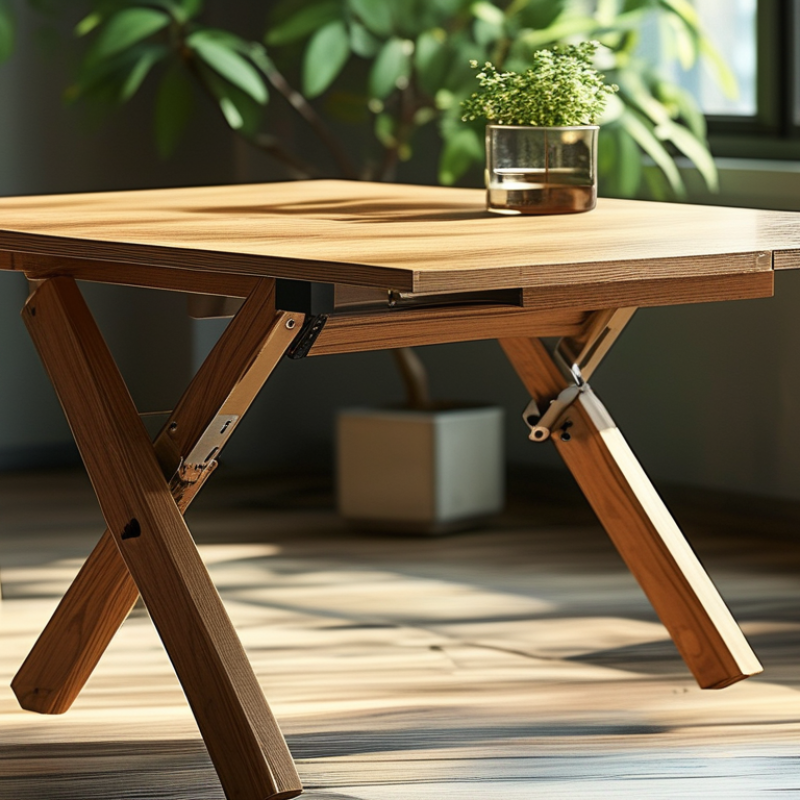
When dealing with a wobbly folding table leg, the first step is identifying the cause of the instability. Often, this issue arises from uneven surfaces, loose screws, or even wear and tear. If the table is placed on an irregular floor, consider adjusting its position. Place the table on a flat, firm surface to reduce wobbling.
Loose screws can compromise the leg’s stability. Inspect each connection point where the leg meets the table. Tightening screws may seem trivial, but it can make a significant difference. Use a screwdriver to secure all joints. If the leg itself is damaged, it might need replacing.
Tips: You might add rubber pads under the legs. These pads can help level the table and prevent slipping. Another simple fix includes using a folded piece of paper or cardboard to shim any uneven areas. This quick solution could provide the stability needed during use. Ensure the repairs are consistent to avoid future complications. Regular maintenance checks can save time and frustration later on.
When your folding table leg wobbles, the right tools can make all the difference. To start, gather a level, a screwdriver, wood glue, and a clamp. These tools ensure a sturdy repair, preventing future wobbling.
Industry reports indicate that nearly 30% of folding table users experience stability issues. This common problem often arises from loose screws or damaged joints. Inspecting the table carefully is crucial. Look for any visible wear or misalignment. Take note of the leg connections. Weak spots often need reinforcement to withstand regular use.
Tips: Before applying glue, clean the surfaces thoroughly. Dust and debris can interfere with adhesion. Use a clamp to hold the joint while it dries. This ensures maximum strength and stability. Ultimately, repairing a wobbly table leg requires attention to detail. Don’t rush the process. A well-fixed leg can extend the life of your table significantly.
When a folding table leg wobbles, it can be frustrating. This guide helps you tighten or adjust the leg for better stability. Start by checking the screws. Use a screwdriver to tighten any loose screws. A snug fit often fixes the issue.
Look for any damage on the leg. If wood is split, consider using wood glue. Apply glue to the split, press it together, and let it dry. This may take time. Be patient during the drying process.
Tips: Verify the surface your table rests on. An uneven surface can cause wobbling. Placing a small piece of paper or cardboard under one leg can help level it. Always handle your table gently to avoid additional damage. Remember, not every fix works the first time. Keep adjusting until it feels right.
A wobbly folding table leg can be frustrating. It makes the surface uneven and affects stability. To reinforce the table, consider adding extra supports. Using brackets can help stabilize the legs. Corner braces are another solid option. These small metal pieces can offer significant strength.
Choose materials that match your table's design. Wood, metal, or adjustable legs can enhance the overall look while providing support. Make sure to measure precisely. Incorrect measurements lead to more problems. An uneven base worsens the wobbling.
Using rubber pads on the bottom of the legs helps too. They prevent slipping on smooth surfaces. Test the table after each modification. Minor adjustments might be necessary. Always ensure that the table feels steady. Reflect on the changes you’ve made. Stability is key for any folding table.
| Method | Materials Needed | Difficulty Level | Estimated Time | Cost Estimate |
|---|---|---|---|---|
| Add Corner Braces | Metal corner braces, screws | Easy | 30 minutes | $5 - $10 |
| Use Rubber Feet | Rubber pads, adhesive | Very Easy | 10 minutes | $2 - $5 |
| Install Table Levelers | Adjustable levelers, drill | Moderate | 1 hour | $15 - $25 |
| Reinforce with a Support Beam | Wooden beam, screws | Hard | 2 hours | $20 - $50 |
| Check and Tighten Screws | Screwdriver | Very Easy | 15 minutes | Free |
After making repairs to a wobbly folding table leg, it is essential to test its stability. Start by carefully placing the table on a level surface. Ensure there are no obstacles beneath. Gently press down on each corner of the table. Observe if it remains steady. If you notice it still wobbles, you may need to reassess your repair work.
Check how the leg aligns with the table frame. Misalignment can lead to instability. A simple way to check for levelness is to use a bubble level. Place the level on the tabletop. If the bubble shifts, then the table is uneven. You might need to add or remove material from the leg. Small adjustments can make a significant difference in stability.
Remember, testing is a continuous process. After making any changes, recheck stability. Consider placing weight on the table, like books or dishes, to see if it holds up. A well-balanced table truly adds comfort to any space. Celebrate the small victories in your DIY projects, but be mindful of imperfections. Addressing these will ensure a safer, more reliable table for everyday use.
: Wobbliness often comes from uneven surfaces, loose screws, or wear and tear.
Inspect all joints. Tighten any loose screws with a screwdriver for better stability.
Gather a level, screwdriver, wood glue, and a clamp for effective repairs.
Yes, adding rubber pads under the legs can level the table and prevent slipping.
Clean the surfaces first, apply the glue to any splits, and clamp it until dry.
Use a folded piece of paper or cardboard under the shorter leg to balance it.
Regular maintenance checks can prevent frustration and extend the life of your table.
If there's significant damage, you may need to replace the leg entirely.
Some fixes might be quick, but patience is key for lasting stability.
Yes, a stable table enhances usability, but repairs can take time and effort.
In the article titled "How to Fix a Wobbly Folding Table Leg for Stability," readers are guided through a practical approach to address the common issue of an unstable table. The first step involves identifying the cause of the wobbliness, which can range from loose screws to uneven floor surfaces. Following this, the article outlines the necessary tools and materials needed for effective repair.
The step-by-step guide then provides detailed instructions on how to fix a wobbly folding table leg by tightening or adjusting the leg properly. To enhance stability further, recommendations for reinforcing the table with additional supports are included. Finally, testing the table post-repair is crucial to ensure that the fixes have successfully resolved the instability, allowing users to enjoy a sturdy and reliable folding table once again.

Zabs Furniture