7 Tips for Maintaining Wooden Folding Tables Outdoors?

Time:2026-10-13 Author:Charlotte
0%

Wooden folding tables bring warmth to outdoor events, but sunlight, moisture, and frequent handling can quickly damage them. A table that looks perfect indoors may develop swollen edges after one rainy afternoon. Dirt can also collect around hinges, while hot serving dishes may leave pale rings on the finish.

This guide explains how to maintain wooden folding tables for outdoor events through seven practical habits. These recommendations reflect common furniture-care practices and real event setup conditions. They focus on cleaning, drying, protective coverings, safe placement, and careful storage. Each step matters. Small oversights often become expensive repairs.

Start with the table’s finish and wood type. Manufacturers may recommend different cleaners, sealants, or storage methods. Check those instructions before applying any product. A soft cloth, mild soap, and clean water are usually safer than harsh chemicals. Never leave standing water on the surface. Dry it promptly, especially around joints and folding legs.

Outdoor care is not completely foolproof. Even a sealed table may fade or crack over time. I have learned that rushing setup often causes more damage than bad weather. Tables placed directly on wet grass stay damp underneath. Covers can also trap moisture when applied too soon. These seven tips will help reduce those risks, preserve the table’s appearance, and support safer, more dependable event preparation.
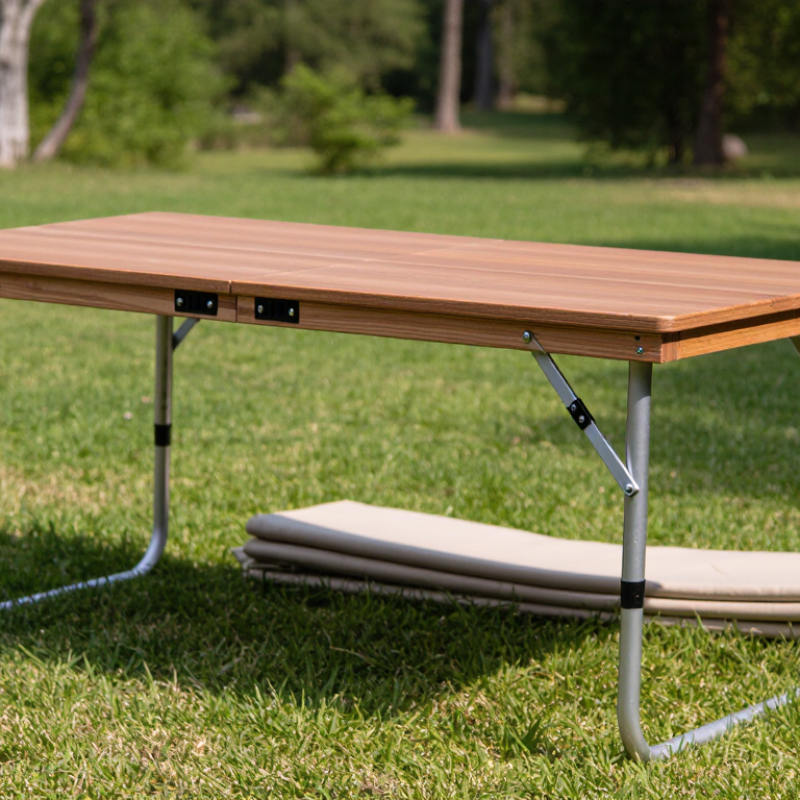
7 Tips for Maintaining Wooden Folding Tables Outdoors?

Choose Weather-Resistant Wood and a Suitable Outdoor Location

A wooden folding table needs the right wood before it needs extra care. Choose hardwood or exterior-grade timber treated for moisture and insects. Weather-resistant does not mean weatherproof. Check the surface for sealed edges, tight joints, and smooth folding hardware. Exposed end grain absorbs water quickly, especially after rain.

Location matters just as much. Place the table on a firm, level surface with good drainage. Concrete or paving is safer than damp grass, which can keep the legs wet for hours. Morning shade is helpful, but constant shade with poor airflow may encourage mildew. Avoid low spots, dripping gutters, and areas beside sprinklers. Leave space around the table so air can move underneath.

I once stored a folding table under a tree, assuming the leaves would provide protection. They held moisture against the tabletop instead. Now I check the forecast, wipe the surface after rain, and fold the table only when it is fully dry. A breathable cover can reduce dust and sun damage, but a plastic sheet wrapped tightly around wet wood can trap condensation. Inspect the feet and hinges every few weeks. Small cracks are easier to repair than swollen joints. I still miss occasional stains after busy outdoor gatherings. That is a reminder that practical maintenance is not perfect, only consistent.

Clean and Dry the Folding Table After Each Use

Outdoor folding tables face rain, dust, food oils, and morning dew. A simple cleaning routine protects the wood after every gathering. In my experience, waiting until the next weekend often leaves sticky rings and dark moisture marks. Remove dishes and crumbs immediately. Shake out loose dirt gently, then wipe the surface with a soft, damp cloth. Use mild soap diluted in warm water for grease. Avoid soaking the wood. Water can enter seams and swell the panels.

Drying matters as much as cleaning. Use a clean towel across the tabletop, edges, hinges, and underside. Pay attention to folded areas; they can hold hidden moisture for hours. Leave the table open in a shaded, well-ventilated place until every surface feels dry. Direct, intense sunlight may dry one area too quickly and encourage uneven movement or fading. I once rushed this step and stored a table with damp hinges. The next use revealed a musty smell. That mistake was avoidable.

Inspect the finish while cleaning. Look for raised grain, hairline cracks, loose fasteners, or water trapped near joints. A dry cotton swab can reach narrow gaps without scratching the coating. If the cloth becomes dirty, replace it rather than spreading grit. Do not stack a wet table against another one. That creates a warm, enclosed pocket where mildew may develop. Keep a small towel nearby during outdoor meals. It sounds excessive. It is not, especially after sudden showers. Regular care will not prevent every mark, but it makes damage easier to notice and repair early.

Clean and Dry the Folding Table After Each Use

After outdoor use, remove debris, wipe away moisture, check the folding joints, and allow the wooden table to air-dry completely before folding or storing it. Drying time may increase in cool, shaded, or humid conditions.

Apply Protective Sealants to Block Moisture and Sunlight

Wooden folding tables face two persistent threats outdoors: moisture and sunlight. Water enters through end grain, joints, and small scratches. Ultraviolet light then dries the surface, causing fading, cracking, and rough patches. A suitable exterior wood sealant creates a flexible barrier against both problems.

Clean the table with mild soap and remove dirt from the folding joints. Let the wood dry completely, often for twenty-four to forty-eight hours. Do not seal damp wood. I learned this after sealing a table too soon; cloudy spots appeared beneath the coating. Sand raised fibers lightly, then wipe away all dust. Apply thin, even coats with a brush, especially along edges and exposed end grain. Those areas absorb water quickly.

Choose a sealant labeled for exterior wood and UV exposure. A clear finish preserves color, while a lightly tinted product usually offers stronger sunlight protection. Test it underneath first. The final color may surprise you. Allow each coat to cure according to the product directions, and keep the table sheltered during that period. Inspect it every few months for peeling, dullness, or darkened joints. Recoat before the wood feels dry or begins cracking. Pay attention to the underside, too. Rainwater can collect there when the table is folded or stored against a wall.

Use Covers and Proper Storage During Harsh Weather

Outdoor wooden folding tables need protection before severe weather arrives, not after damage appears. The USDA Forest Products Laboratory’s Wood Handbook reports that wood moisture content can shift from about 6% at 30% relative humidity to nearly 20% at 90%. That movement can cause swelling, splitting, or loose joints. Keep the table dry before covering it. Wet wood under a cover can develop mildew quickly.

Choose a breathable, water-resistant cover with secure fasteners. Avoid sealing plastic directly against the tabletop. Leave a small air gap, especially around folded legs. Check the cover after strong wind, heavy rain, or snow.

Trapped moisture is the quiet problem. Inspect corners and hinge areas weekly for dark stains, raised grain, or rusting hardware. A soft brush and mild soap usually remove surface dirt without damaging the finish.

Store the table indoors during prolonged storms or freezing periods. The USDA Wood Handbook notes that repeated moisture changes increase dimensional movement in wood products. A dry garage, shed, or ventilated storage room is preferable. Keep the folded table upright, elevated from concrete, and away from leaking walls.

Do not drag it across rough floors. That small habit can loosen joints. NOAA climate data also shows that many regions now experience heavier short-duration rainfall, making temporary outdoor covers less reliable. One overlooked mistake is covering the table too tightly. Protection needs airflow, not suffocation.

Inspect Hardware, Surfaces, and Joints for Early Damage

7 Tips for Maintaining Wooden Folding Tables Outdoors

Tip 1

Inspect every hinge, bolt, and washer before placing the table outside. Loose hardware often creates uneven pressure across the frame. Tighten gently, because overtightening can crush soft wood.

Tip 2

Open and close each leg slowly. Listen for grinding or clicking sounds. These may signal bent hinges or trapped grit.

Tip 3

Check joints for movement. Hold the tabletop steady and shift each leg slightly. Any unexpected wobble deserves attention before use.

Tip 4

Examine the surface in bright daylight. Look for raised grain, dark spots, peeling finish, and hairline cracks. Water can enter through tiny openings.

Tip 5

Feel the edges by hand. Rough or swollen areas may indicate moisture damage. Sand them carefully, but do not remove more wood than necessary.

Tip 6

Inspect underneath the tabletop, especially around fasteners. I once missed a small split beneath a table, and it grew after several wet days. That mistake was avoidable. Use a flashlight when shadows hide the joints.

Tip 7

Check the folding locks and support braces before every outdoor event. They should engage fully and release without force. Replace damaged hardware with compatible, corrosion-resistant parts. Keep the table dry when possible, and store it off wet ground. A breathable cover helps, although it cannot fix trapped moisture. Inspect after storms, not only before use. Some damage develops quietly.

FAQS

What type of wood is suitable for an outdoor folding table?

Choose hardwood or exterior-grade timber treated against moisture and insects. Weather-resistant does not mean weatherproof. Check sealed edges and tight joints.

Where should I place the table outdoors?

Use a firm, level surface with good drainage. Concrete or paving is safer than damp grass. Avoid low spots, gutters, and sprinklers.

Is shade helpful for a wooden folding table?

Morning shade can reduce sunlight damage. Constant shade with poor airflow may encourage mildew. Leave space underneath for air movement.

Should I fold the table immediately after rain?

No. Wipe the surface and wait until the wood is fully dry. Folding wet wood can trap moisture between surfaces.

What kind of cover should I use?

Choose a breathable, water-resistant cover with secure fasteners. Leave a small air gap around folded legs. Tight plastic can trap condensation.

When should I store the table indoors?

Store it indoors during prolonged storms or freezing periods. A dry garage or ventilated shed works well. Outdoor covers are not always reliable.

How should I store the folded table?

Keep it upright and raised above concrete. Keep it away from leaking walls. Do not drag it across rough floors, or joints may loosen.

What signs show that the table needs attention?

Inspect it every few weeks. Look for dark stains, raised grain, small cracks, swollen joints, or rusty hinges. Small problems are easier to repair.

How can I clean surface dirt safely?

Use a soft brush and mild soap. Avoid harsh scrubbing that could damage the finish. I still miss occasional stains after gatherings. That is normal, but consistency helps.

Conclusion

Maintaining wooden folding tables outdoors begins with choosing durable, weather-resistant wood and placing the table in a location with good drainage and reasonable protection from prolonged sunlight, strong wind, and standing moisture. After every use, remove food, dirt, and spills with a soft cloth and mild soap, then dry the entire surface, including the underside and folding areas. Regular cleaning prevents stains, swelling, and the buildup of moisture that can weaken the wood over time.

For effective long-term care, apply a suitable outdoor sealant to help protect the table from rain, humidity, and ultraviolet exposure, following a consistent reapplication schedule. Use a breathable, water-resistant cover when the table is not in use, and store it in a dry, sheltered place during severe weather. As part of learning how to maintain wooden folding tables for outdoor events, inspect screws, hinges, legs, joints, and tabletop surfaces regularly. Tighten loose hardware and repair small cracks, scratches, or signs of warping early to prevent more serious damage.

Charlotte

Charlotte

Charlotte is a seasoned marketing professional with a deep understanding of the company's portfolio and a passion for elevating its presence in the market. With a keen eye for detail and a commitment to excellence, she ensures that our professional blog is regularly updated with insightful articles......