7 Tips Why Round Banquet Tables Are Preferred for Weddings?

Time:2026-09-23 Author:Henry
0%

Why are round banquet tables preferred for weddings? The answer begins with connection. Round tables usually seat eight to ten guests, helping everyone share eye contact without leaning across sharp corners. Conversations feel more balanced. Service also moves naturally around the table.

The Knot Real Weddings Study reported an average U.S. wedding guest count of about 115 in 2023. That number makes seating efficiency important. A round layout can create clear walking lanes, defined dining zones, and better views of the dance floor. Cvent’s event-planning research also emphasizes guest experience, smooth movement, and purposeful floor plans. These findings support the practical value of round banquet tables, although venue size and wedding style still matter.

Small detail. Big difference.

Wedding planner and event designer David Tutera has said, “The guest experience is the heart of every event.” His observation explains why planners often choose round tables for weddings. Guests can see grandparents, friends, and newlyweds more easily. Photographs may also look softer, especially with linen-covered tables, low centerpieces, and warm candlelight. Round shapes can reduce visual barriers while preserving a formal dining atmosphere.

Still, round tables are not automatically perfect. They may require more floor space than rectangular tables. Oversized centerpieces can block faces and interrupt conversation. The Knot data reflects U.S. weddings, not every global celebration. This article’s seven tips will examine spacing, seating capacity, décor, service flow, guest interaction, photography, and venue compatibility. The goal is not to follow tradition blindly. It is to create a room where people feel included, comfortable, and genuinely present.
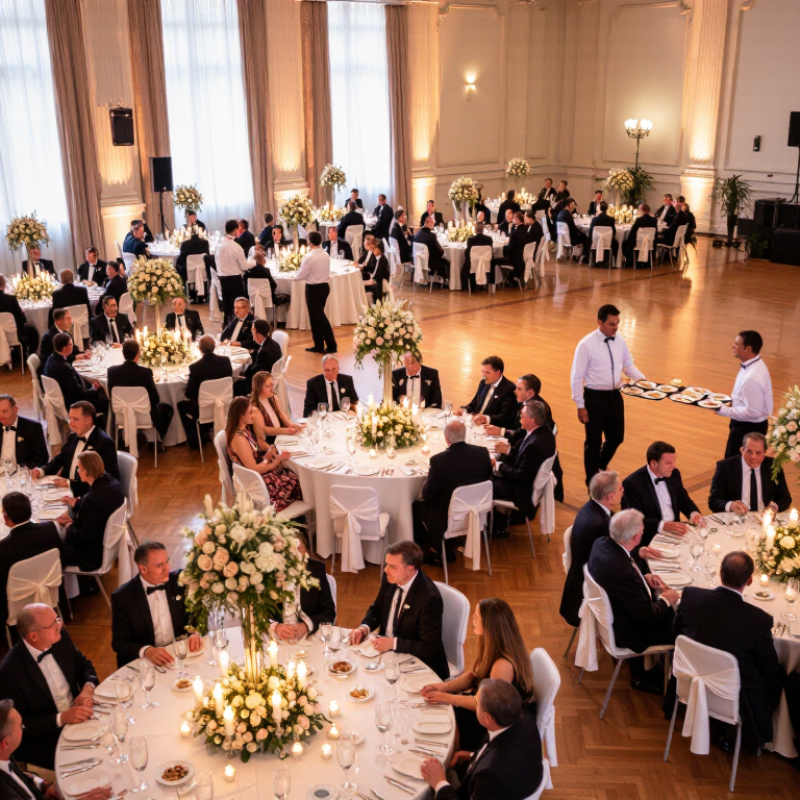
7 Tips Why Round Banquet Tables Are Preferred for Weddings?

What Round Banquet Tables Are and Why Weddings Use Them

Round banquet tables are freestanding, circular tables used for guest dining and conversation. Common sizes include 48, 60, and 72 inches, with seating based on chair width and service style. A 60-inch table often seats six to eight guests comfortably. A 72-inch table may seat eight to ten, but crowded place settings can reduce comfort.

The Knot’s 2024 Real Weddings Study reported an average wedding size of 115 guests in the United States. Round tables help planners divide that group into clear social circles. Guests can see one another without leaning across long rectangular layouts. The shape also softens a ballroom’s appearance and supports balanced photographs. It improves circulation. Caterers can reach each table more evenly, while guests usually share food, conversation, and announcements more naturally.

Practical value matters too. One round table creates a defined seating zone. It supports flexible layouts. It can frame a dance floor, stage, or central floral display. Smaller circles may help older guests hear conversations better. They can also reduce awkward empty corners. However, round tables are not perfect. They may require more floor space than rectangular tables, especially with generous service aisles. A venue manager should test chair clearance, buffet traffic, and accessibility before confirming the floor plan. I have seen beautiful diagrams fail when guests pull chairs back. That detail is easy to miss.

Source: The Knot, 2024 Real Weddings Study.

How Round Tables Improve Guest Interaction and Social Comfort

7 Tips Why Round Banquet Tables Are Preferred for Weddings?

How Round Tables Improve Guest Interaction and Social Comfort

Round banquet tables support easier conversation because guests face one another naturally. Tip one: seat close friends together, but mix familiar groups carefully. Tip two: leave enough elbow room for comfortable dining and movement. In venue planning, I have noticed that guests speak more freely when nobody sits at the end of a long table. Small circles feel less formal. They also reduce the fear of being ignored.

The Knot’s 2024 Real Weddings Study places the average wedding guest count at about 115 people.

That scale can make personal interaction difficult.

Tip three: use tables of eight to ten guests for balanced conversation. Tip four: position tables near shared features, such as the dance floor or dessert station. The Wedding Report’s 2024 data also shows that guest experience remains a major planning priority. Round layouts help guests see activity without turning their backs.

Tip five: seat quieter guests beside welcoming conversationalists. Tip six: avoid placing older guests beside speakers or busy service paths. Tip seven: keep table spacing wide enough for servers and wheelchairs.

No layout solves every social barrier. Some guests may still feel awkward. That is where thoughtful seating matters more than decoration. I would not claim round tables always work best; very large families may prefer longer tables. Still, for mixed wedding groups, a circular arrangement usually creates warmer eye contact and fewer conversational dead ends.

How Table Shape Supports Seating Plans and Reception Flow

7 Tips Why Round Banquet Tables Are Preferred for Weddings?

How Table Shape Supports Seating Plans and Reception Flow

The Knot’s 2023 Real Weddings Study reports an average wedding size of 115 guests. Round banquet tables can organize that crowd without creating rigid corridors. A 60-inch round table usually seats eight to ten guests comfortably. Tip 1: Match table size to guest count. Tip 2: Keep at least 48 inches between tables for service and movement. This spacing helps guests reach seats without interrupting dinner service.

Round layouts also support balanced seating plans. Guests can face one another, rather than sitting in long, divided rows. Tip 3: Place close family near the couple, but avoid isolating them. Tip 4: Seat children away from speakers and service stations. Tip 5: Leave flexible seats for late confirmations. It happens. Event planners often use floor plans to test sightlines, buffet access, and emergency routes before setup. The International Live Events Association emphasizes detailed logistics and guest movement in event planning practice.

Tip 6: Keep the dance floor central, with clear paths from dining areas. Tip 7: Use smaller rounds near pillars or narrow corners. A practical warning remains: round tables are not always ideal. They can consume more floor space than banquet rectangles. I have seen beautiful layouts fail when photographers, servers, and wheelchairs share one narrow aisle. Review the venue diagram carefully. The best shape supports real movement, not just attractive photographs.

7 Tips Why Round Banquet Tables Are Preferred for Weddings? — How Table Shape Supports Seating Plans and Reception Flow

Tip Planning Dimension Reliable Planning Data How It Supports Seating Plans How It Improves Reception Flow Practical Wedding Application
1 Choose a guest-friendly table size Common round-table diameter 60 inches: usually seats 6–8 guests comfortably.
72 inches: usually seats 8–10 guests, depending on chair width and service style.
A round table creates a clear guest group without assigning anyone to a distant “end” seat. Couples can place families, friends, or mixed groups around one shared center. Servers can approach the table from several directions, and guests can enter or leave without crossing a long row of seats. Use 60-inch rounds for comfortable conversation and 72-inch rounds when a larger guest group must remain together.
2 Improve conversation and visibility Guest interaction A circular layout gives every guest a direct sightline toward the center and avoids the sharp corners created by rectangular tables. Seating plans can combine guests with shared interests while reducing the risk that someone is isolated at the end of a long table. Guests can see speeches, cake cutting, toasts, and entertainment from more positions around the table. Place close family, wedding-party members, or guests who enjoy conversation at the same round table rather than separating them along a long banquet row.
3 Reserve space for chairs and service Clearance around tables Allow approximately 42–48 inches between table edges where guests and servers need to pass. More space may be needed near doors, buffet lines, or service stations. A measured clearance plan shows how many round tables can fit without forcing guests to squeeze between chairs. Adequate circulation space supports meal service, drink refills, photography, and safe movement during dancing or formal entrances. Draw the table diameter plus chair clearance on the floor plan before confirming the final table count.
4 Create flexible seating zones Room zoning Round tables can be arranged in clusters, perimeter rows, or balanced sections around a dance floor, stage, buffet, or sweetheart table. Each table functions as a manageable seating unit, making it easier to group guests by family, friendship, age, accessibility needs, or meal preference. Clear zones help guests find their seats quickly and keep high-traffic areas separate from quieter dining areas. Place tables for older guests away from loud speakers and position tables with mobility needs close to accessible routes.
5 Balance table count with the dance floor Reception layout A dance floor commonly requires a dedicated central area; its final size depends on guest count, venue dimensions, and how strongly dancing is prioritized. Smaller round tables can make it easier to preserve a central open area while still providing enough seats for the guest list. Guests can move from dining tables to the dance floor through multiple routes instead of navigating one congested corridor. Position rounds around the dance floor with consistent gaps, keeping the nearest seats visible but not directly exposed to speaker or lighting equipment.
6 Support efficient food and beverage service Service access Round tables give staff access to each guest from the perimeter. Plated meals, shared dishes, and beverage service can be organized by table number or zone. A table-by-table seating chart makes it easier to record dietary requirements, entrée selections, children’s meals, and accessibility notes. Staff can work around a table without managing a long continuous line of guests or reaching across a large rectangular surface. Number each round table clearly and provide the catering team with a matching seating and dietary-information list.
7 Make the room feel balanced and welcoming Visual balance Repeating circular forms soften a large rectangular room and create consistent sightlines. The final arrangement should still preserve exits, fire routes, and venue access requirements. Guests can identify their assigned table as a distinct group, while the overall seating plan remains easy to read on a single floor map. Evenly distributed tables reduce visual bottlenecks and help direct guests naturally toward registration, dining, dancing, and restrooms. Use a simple table-number display at the entrance and maintain unobstructed access to all required exits and service routes.

Why Round Tables Enhance Wedding Décor, Service, and Photography

7 Tips Why Round Banquet Tables Are Preferred for Weddings?

Round banquet tables improve wedding décor, service, and photography in practical ways. The Knot’s 2023 Real Weddings Study reported an average guest count of 115 people. Round tables help distribute this crowd evenly, while leaving clearer sightlines toward the couple. Keep table sizes consistent, choose linens that reach the floor, and avoid overcrowding each setting. A 60-inch table usually seats eight guests comfortably. Leave enough space for chairs and service paths. It sounds simple, but tight layouts remain a common planning mistake.

Use centerpieces with low profiles, or raise them carefully above eye level. Guests should see each other, not compete with flowers. Place menus, candles, and glassware with measured spacing. This creates texture without making the table feel busy. Eventbrite’s 2023 Social Event Trends Report emphasizes the growing importance of memorable, visually shareable experiences. Round tables support that goal by creating balanced frames for wide venue photographs and intimate guest portraits.

For service, keep aisle openings consistent and position high-traffic tables away from the dance floor. This helps servers move quietly and reduces accidental interruptions during speeches. Photographers can circle the room more naturally, capturing conversation, reactions, and candlelight. However, round tables are not automatically better for every venue. They may waste space in narrow rooms. Test one full table, two chairs, and a service trolley before confirming the floor plan. That small rehearsal may reveal the flaw.

How to Choose the Right Round Tables for Different Wedding Needs

Choosing the right round banquet tables starts with guest count, not decoration.

The Knot’s 2023 Real Weddings Study surveyed nearly 10,000 couples and reported an average wedding size of 115 guests. That figure supports flexible planning, rather than one fixed table size. A 60-inch round usually seats eight comfortably, while a 72-inch table can seat ten or twelve. Confirm those numbers with your rental supplier. Chair width changes everything. Measure twice.

For intimate dinners, 48-inch tables encourage conversation and leave room for small floral details. They may seat five or six guests, but large centerpieces quickly reduce elbow space.

For larger weddings, combine 60-inch and 72-inch rounds. This mix accommodates family groups, older guests, and uneven RSVPs more gracefully.

Cvent’s 2024 Planner Sourcing Report identifies flexibility and attendee experience as important planning priorities. Wedding seating deserves the same attention. Keep aisles clear. Check exits, service paths, and accessible routes before approving the layout.

Room shape matters more than a seating chart suggests.

The Knot’s 2024 Real Weddings Study reported average U.S. wedding spending of about $33,000, making layout mistakes expensive. Do not spend that budget on oversized tables that force guests to shout. Allow roughly 48 to 60 inches between table edges in busy service areas, subject to venue rules.

A perfect diagram can fail on site. Test one complete table with chairs, linens, plates, and centerpiece. Then adjust. Sometimes fewer tables feel better.

FAQS

Why do round tables improve guest interaction?

Guests naturally face one another across a shared center. Conversations feel less formal. Nobody sits at a lonely table end.

How many guests fit comfortably at a round table?

A 60-inch table usually seats eight to ten guests. A 72-inch table may hold ten or twelve. Chair width can change everything.

What table size suits a small wedding dinner?

A 48-inch table can seat five or six guests. It supports close conversation and small floral details. Large centerpieces may reduce elbow space.

How much space should remain between round tables?

Leave about 48 to 60 inches between table edges. Wider paths help servers, guests, and wheelchair users move safely. Measure the venue.

Where should round tables be placed?

Keep the dance floor central and visible. Place tables near shared features, such as dessert stations. Avoid blocking exits or service paths.

How should guests be arranged around the tables?

Seat close friends together, but mix familiar groups carefully. Place quieter guests beside welcoming conversationalists. Keep children away from speakers and busy stations.

Are round tables always the best choice?

No. They can use more floor space than rectangular tables. Large families may prefer longer tables. The attractive diagram might fail onsite.

How can planners test a seating layout before the reception?

Set up one complete table with chairs, plates, linens, and a centerpiece. Check sightlines, elbow room, and walking paths. Adjust after testing.

What common mistake can make round tables uncomfortable?

Oversized tables may force guests to shout across the center. Narrow aisles can frustrate photographers, servers, and wheelchair users. Pretty is not always practical.

Conclusion

Round banquet tables are a popular choice for weddings because they create a warm, welcoming atmosphere and make it easier for guests to interact. Unlike long rectangular tables, round tables allow everyone to see and speak with one another, helping guests feel included and comfortable. Their flexible seating arrangement also supports different reception layouts, whether the celebration is held in a spacious ballroom, a garden, or a smaller venue. Understanding why are round banquet tables preferred for weddings begins with their ability to encourage natural conversation while keeping the dining area organized.

Beyond guest interaction, round tables enhance the overall wedding experience. Their balanced shape provides a beautiful foundation for centerpieces, table settings, and floral decorations, while also creating attractive compositions for photographs. They allow staff to move efficiently around the reception space and serve guests with fewer obstacles. When choosing tables, couples should consider guest numbers, venue size, table diameter, seating comfort, and the desired style of the celebration. With thoughtful planning, round banquet tables can improve décor, service, reception flow, and guest enjoyment.

Henry

Henry

Henry is a dedicated marketing professional with a profound expertise in the company's offerings. With years of experience in the industry, he possesses an impressive understanding of the market dynamics and consumer behaviors that drive success. Henry is committed to sharing his insights through......