Explore our flagship ergonomic, stackable, and customized commercial seating solutions engineered for global enterprises.
Analysis of how modern occupational health, hybrid workspaces, and anthropometric design drive next-generation commercial furniture.
Historically, commercial seating procurement focused on aesthetic alignment and basic durability. Today, as enterprise stakeholders demand systemic ESG (Environmental, Social, and Governance) compliance alongside workplace ergonomics, the industry is witnessing a structural shift. At Hebei Zabs Furniture Co., Ltd., we combine scientific human factors engineering with high-capacity precision manufacturing to deliver next-generation seating solutions that address the physical demands of modern workspaces.
This whitepaper outlines the manufacturing methodologies, engineering breakthroughs, and supply chain logistics required to produce high-performance commercial and institutional seating. By aligning mechanical stress testing (under BIFMA/EN standards) with robotic assembly pipelines, Zabs has established a benchmark for global seating exports, serving key educational, ecclesiastical, hospitality, and corporate environments globally.
Configured to accommodate global size distributions (5th percentile female to 95th percentile male) ensuring correct lumbar alignment and pressure distribution across diverse workforces.
Multi-axis recline mechanisms combined with high-tensile steel and flexible polymers permit constant movement, preventing micro-stress injuries in sedentary workers.
Engineered nesting and stacking systems reduce freight costs and square footage requirements, allowing venues to transition layouts rapidly.
Helping procurement officers look beyond unit price to assess total lifecycle costs, logistics, and compliance.
For global procurement executives, school boards, and institutional builders, purchasing office chairs and commercial furniture involves evaluating a complex mix of variables. The Total Cost of Ownership (TCO) extends beyond the initial purchase price to include ocean freight efficiency, replacement frequency, safety compliance liability, and end-of-lifecycle recycle value.
In response to these demands, Chinese manufacturers have transitioned from low-cost labor models to automated, high-precision manufacturing. Operating from our production facility in Hebei, Zabs integrates raw material processing, robotic structural welding, and advanced polymer injection molding into a single, continuous workflow. This structure minimizes internal logistics margins, eliminates assembly errors, and ensures that bulk shipments meet consistent standards, whether the order size is 500 units or 10,000 units.
A closer look at the advanced machinery and quality control stages that define the production floor at Hebei Zabs Furniture.
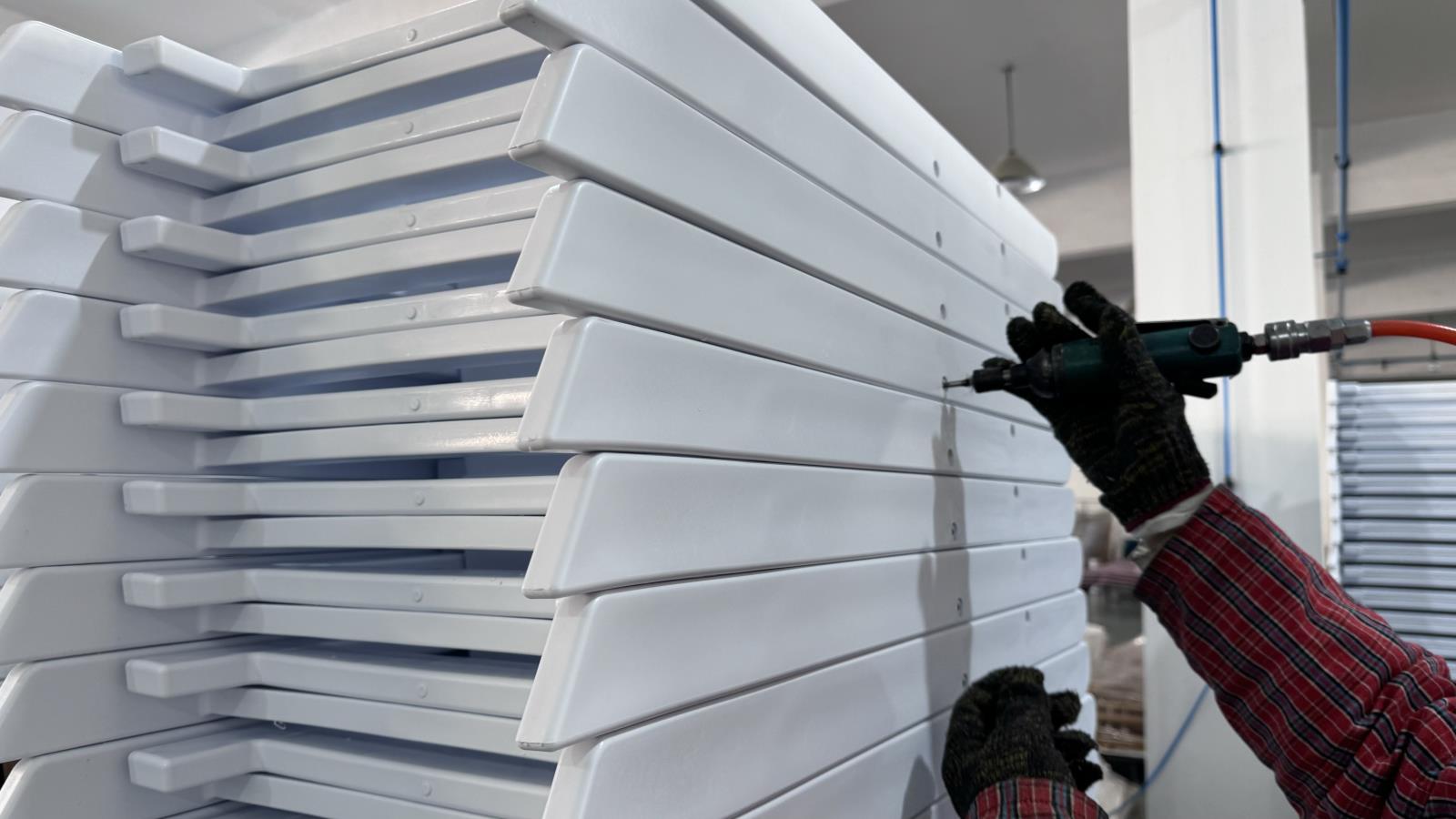
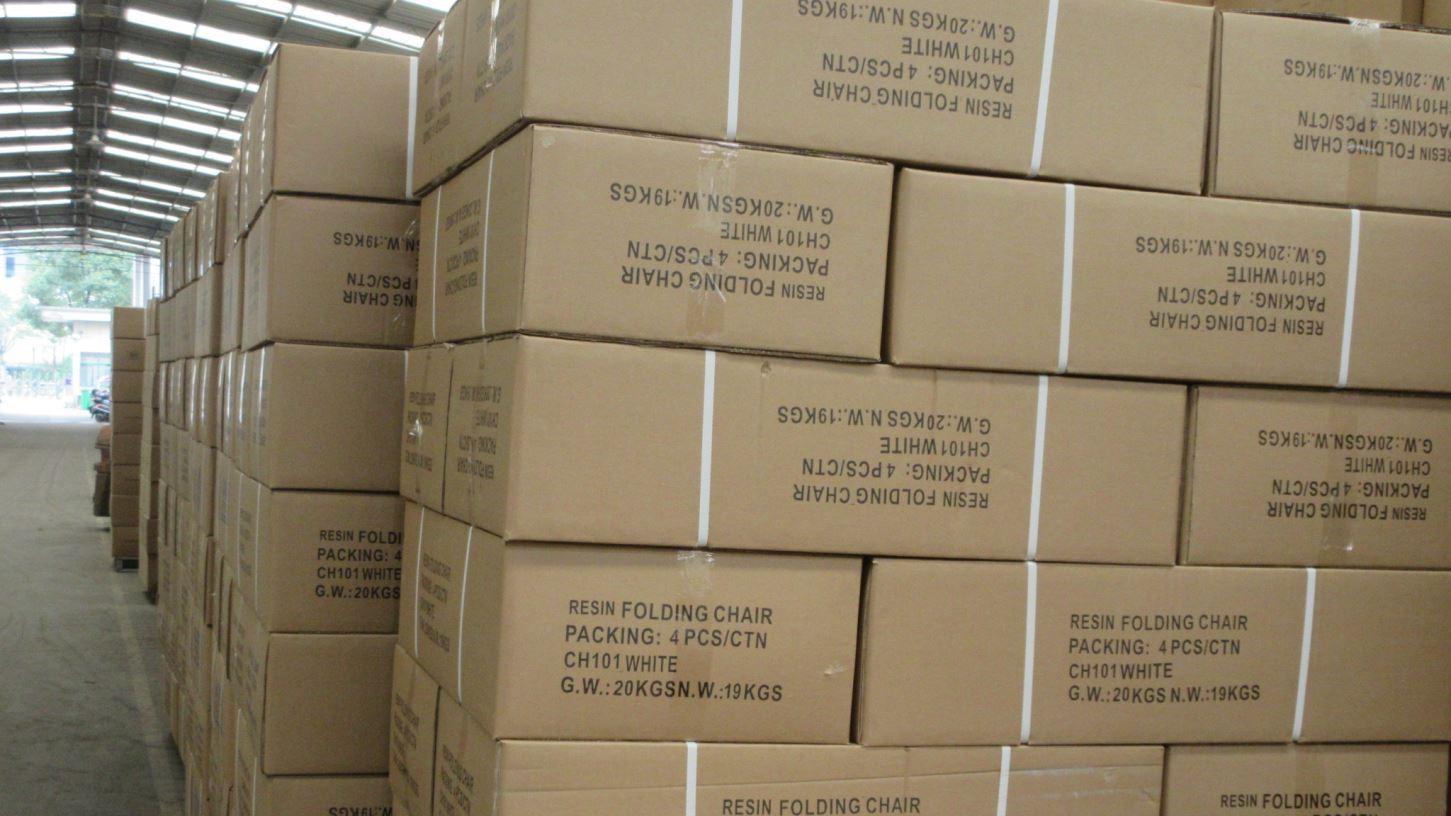
Our factory is equipped with advanced production equipment and operates under a strict quality management system. Every product is manufactured using carefully selected raw materials and undergoes rigorous quality inspections throughout the entire production process. From material sourcing and frame welding to upholstery, packaging, and final inspection, our experienced quality control team ensures that every product meets international standards and customer expectations.
Below is an overview of our core manufacturing phases. Each step is monitored to maintain the mechanical properties of our frames, the structural integrity of our polymers, and the durability of our surface coatings.
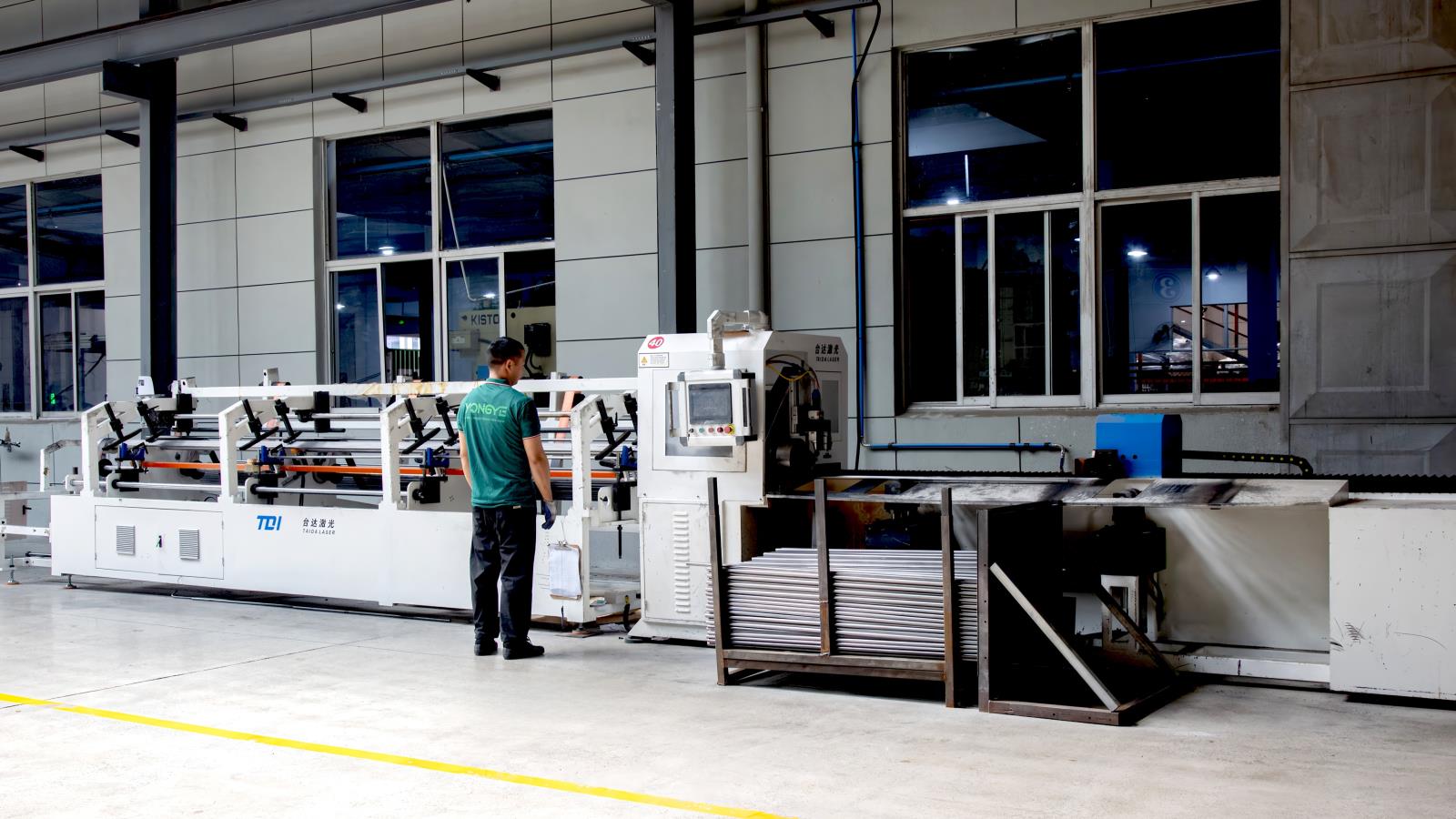
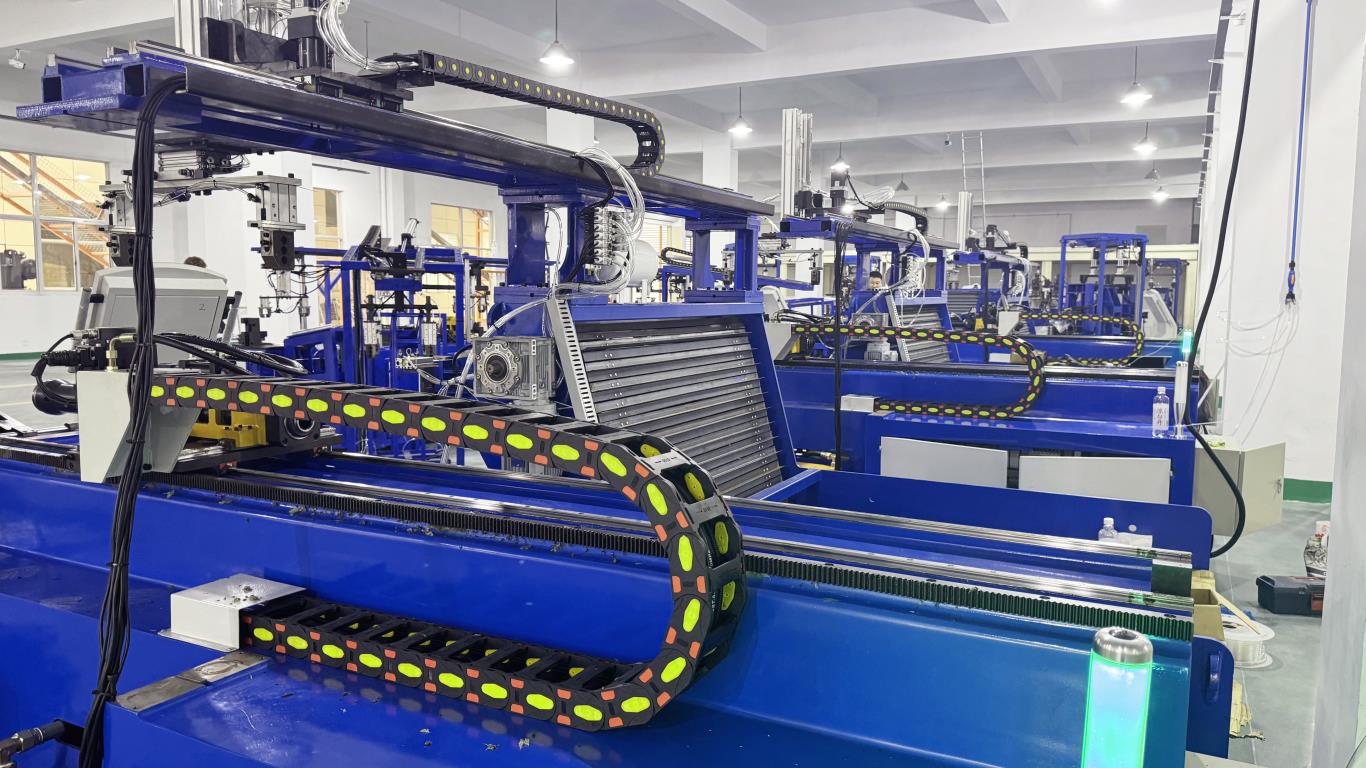
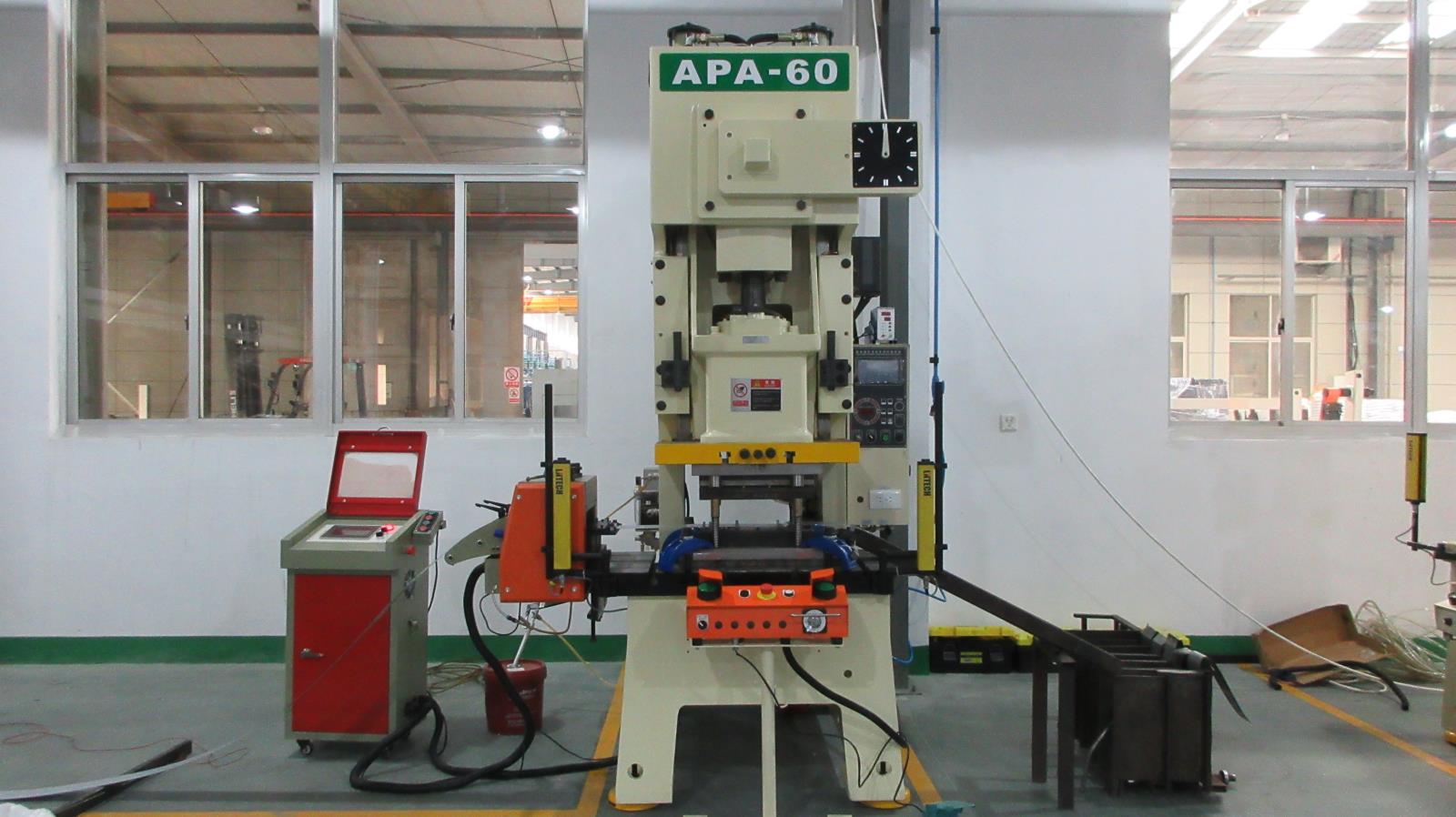
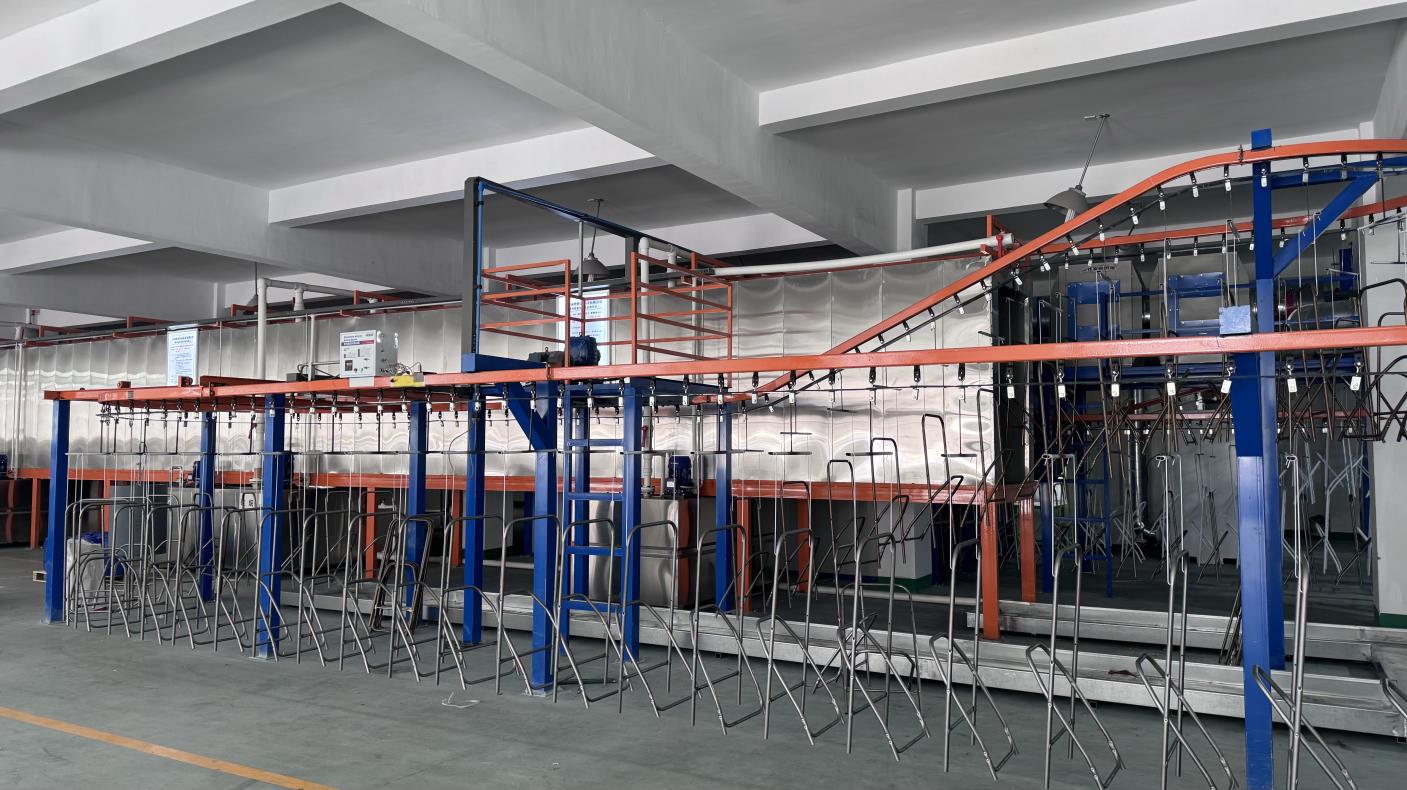
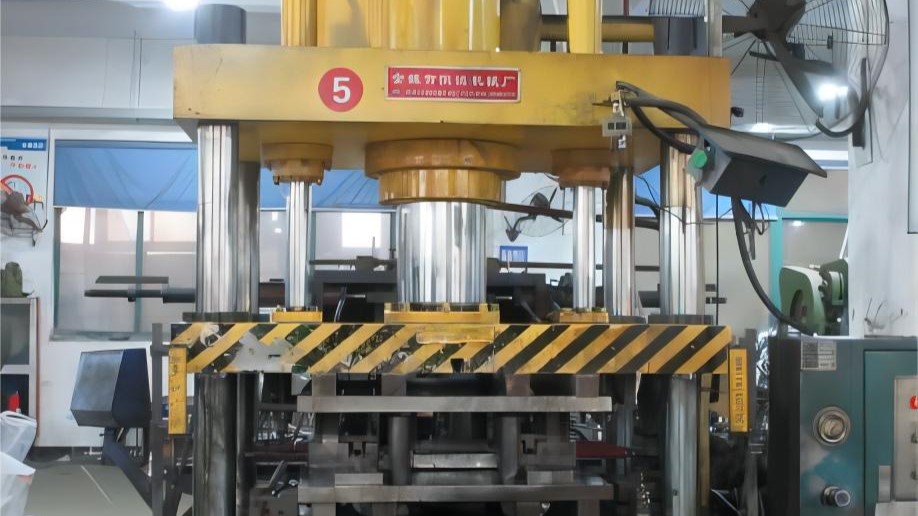
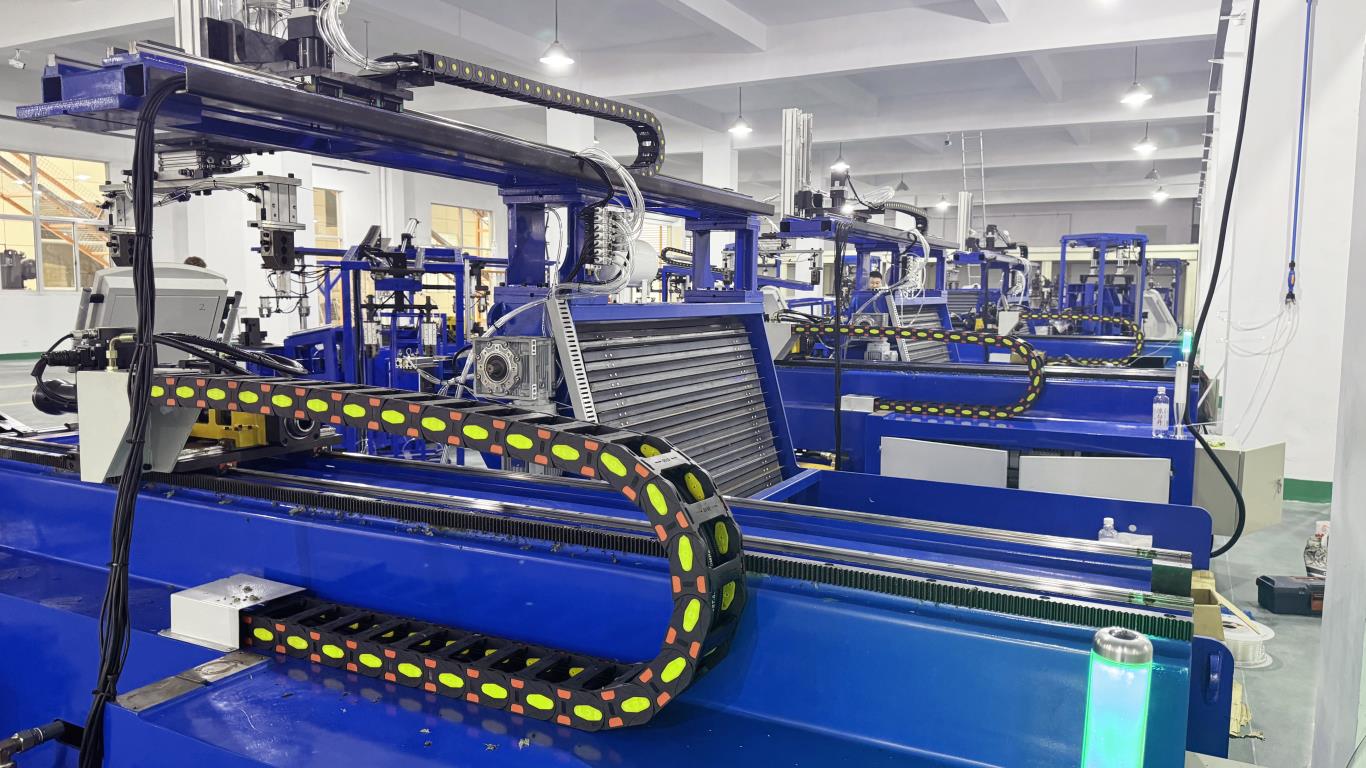
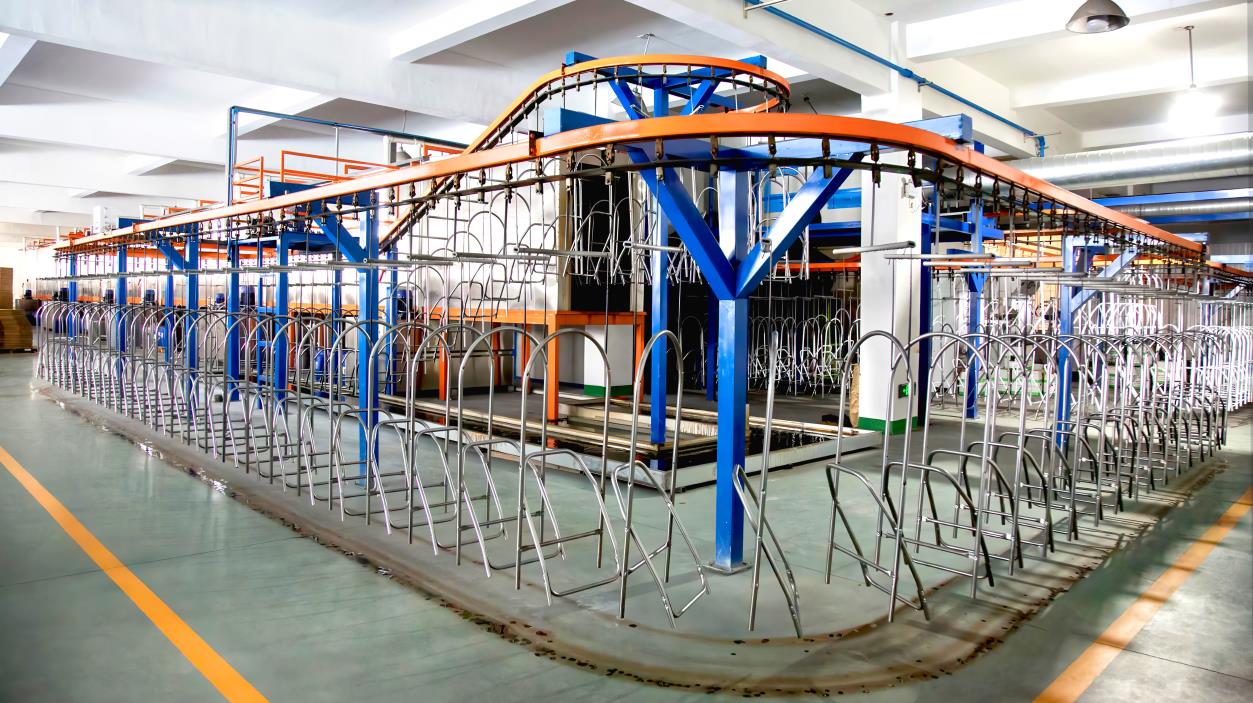
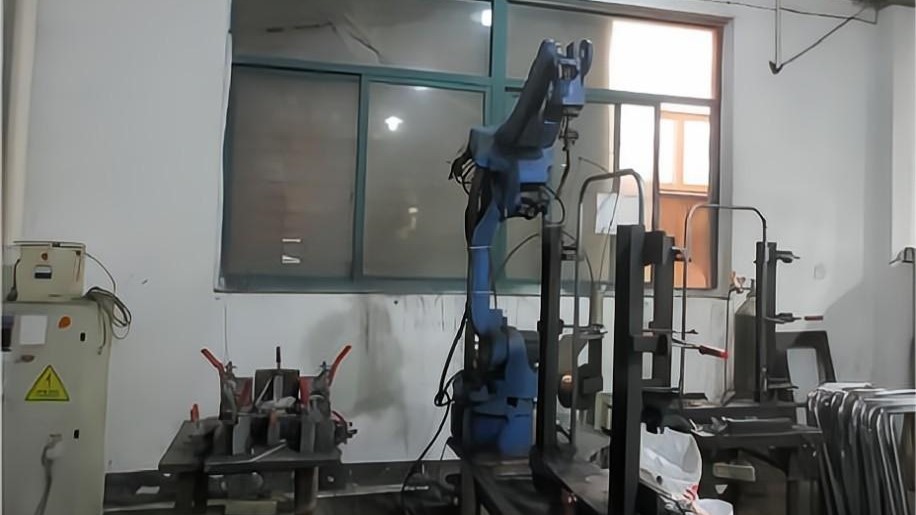
Understanding the engineering principles behind each phase of manufacturing at Hebei Zabs.
The structural foundation of any commercial chair is its steel frame. At Zabs, our metal preparation begins with automated Metal Cutting systems that cut cold-rolled carbon steel tubes with millimeter-level tolerances. Achieving clean cuts is critical for subsequent welding phases, preventing air pockets that can weaken the frame's integrity under load.
Following cutting, the steel passes through our Automatic Pipe Bender. Standard manual bending processes can cause micro-cracking and wall thinning along the outer curve. Our automated multi-axis bending machinery maintains consistent tube thickness, preserving the metal's strength across critical load-bearing zones. For specialized frame geometries, heavy-duty Hydraulic Pressing Machines and stamping systems shape brackets, reinforcement tabs, and structural junctions with high repeatability.
Manual welding can introduce human error, leading to variations in weld penetration and heat-affected zones (HAZ). Zabs addresses this issue by using advanced Robot Welding Machines. Guided by CNC profiles, these welding arms execute precise, continuous welds with balanced heat input. This level of control maintains structural alignment and prevents weld failures under dynamic loads, ensuring the long-term safety and durability of our chairs in high-traffic commercial environments.
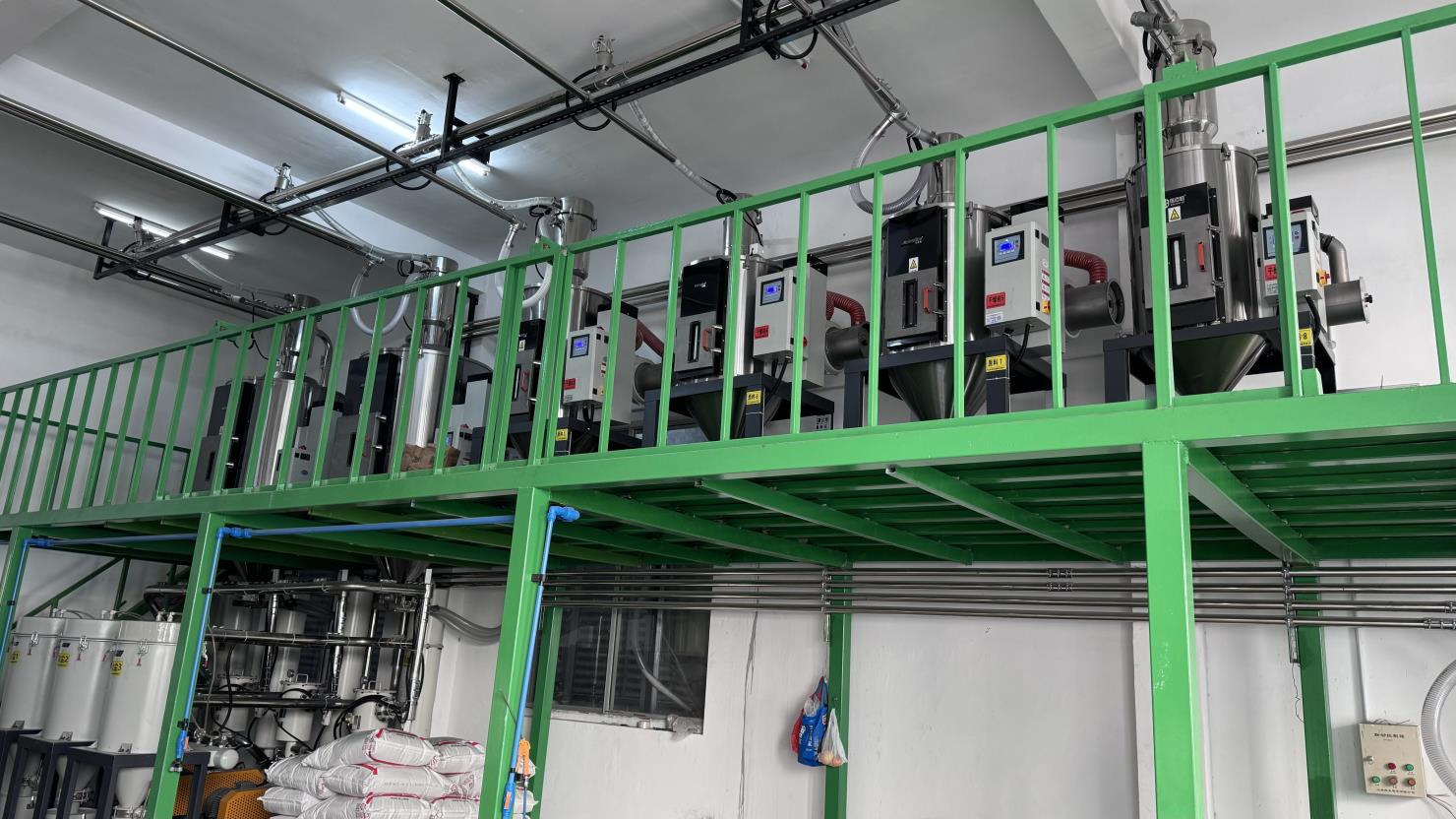
For chairs that incorporate plastic backrests, seats, or shell structures, polymer quality is critical. Our process begins with an automated Plastic Pellet Feeding System that delivers virgin polypropylene (PP) and glass-fiber-reinforced composites directly to our injection presses, protecting raw materials from environmental moisture.
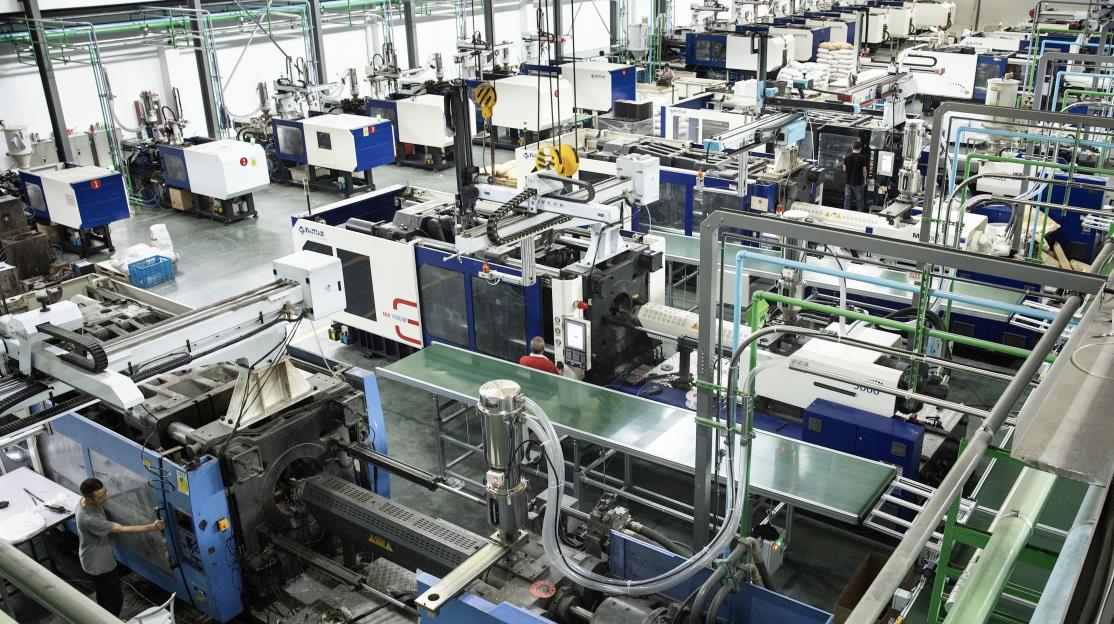
High-clamping-force Injection Molding machines inject molten polymer under high pressure into steel molds. Controlled cooling cycles prevent internal voids and sink marks, resulting in consistent, high-impact component shells. Integrating fiberglass additives improves structural rigidity and prevents long-term deformation, even in heavy-use training and educational spaces.
Prior to finishing, metal components undergo chemical pre-treatment—including degreasing, pickling, and phosphating—to remove oxides and prepare the surface. The frames then enter our automated Coating Production Line, where electrostatic guns apply epoxy-polyester powder. This powder is baked at precise temperatures to form a durable, scratch-resistant finish that protects against impact, chemical cleaners, and humidity.
Customizing design configurations to meet the specific requirements of various commercial industries.
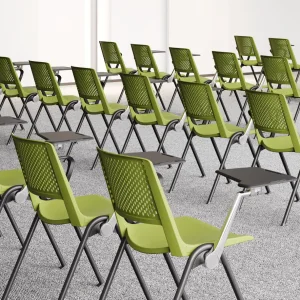
Training and classroom spaces require mobile, flexible seating. Our integrated writing tablet chairs stack efficiently, allowing venues to transition quickly between collaborative group projects and lecture-style seating.
Event venues need high-density seating that is both comfortable and durable. Our lightweight, stackable banquet chairs feature robust metal structures, commercial-grade fabrics, and high-density foam that maintains its shape over years of use.
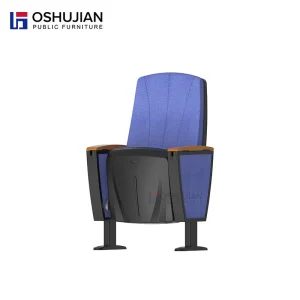
Large assembly halls require structured, high-stability seating that complies with local building codes, egress regulations, and acoustic requirements. Our customized theater, church, and auditorium seating is engineered for correct posture during long events.
Through our dedicated OEM/ODM services, Hebei Zabs Furniture Co., Ltd. works directly with architects, general contractors, and designers to customize fabrics, metal finishes, dimensions, and accessories to match project specifications. Our logistics team handles shipping documentation, custom pallets, and freight optimization to deliver orders on schedule.
A look at upcoming trends in commercial furniture design, smart ergonomics, and circular manufacturing.
Looking ahead, the commercial furniture sector is evolving toward carbon neutrality and smart workspace integration. At Zabs, our technology roadmap focuses on three primary developments: circular economy materials, smart ergonomic monitoring, and advanced space saving designs.
Answering common questions from procurement managers, architects, and wholesalers regarding commercial furniture standards.
Browse our selection of heavy-duty educational seating, event tables, and customized commercial seating solutions.
 Zabs Furniture